
Reimagining Island Culture: Beyond Ecology and Community toward New Boundary Thinking — Theory, Comparative Cases, and Future Directions
 10.21463/jmic.2026.15.1.02
Abstract
Islands have long been framed as peripheral, isolated, and vulnerable spaces. This paper argues instead that island cultures constitute central sites for rethinking human–environment relations in the twenty-first century. Drawing on six interconnected analytical lenses—biocultural diversity, islandness, social–ecological systems, commons and community resilience, archipelagic thinking, and place-based knowledge—the study synthesizes multidisciplinary scholarship and comparative regional cases from East Asia, Southeast Asia, and the Pacific. The analysis demonstrates that islands are not marginal territories but relational and networked socio-ecological systems deeply embedded in global processes. At the same time, their ecological constraints and visible environmental feedback render them living laboratories of sustainability. Cases such as the Jeju haenyeo, commons-based tidal flat management in Korea, Bajau maritime practices, and Pacific navigation traditions illustrate how cultural systems evolve in dynamic dialogue with ecological conditions. The paper also identifies critical gaps in existing island studies scholarship, including regional imbalance, disciplinary fragmentation, limited engagement with power and inequality, and insufficient integration with broader theoretical debates such as the Anthropocene and the Blue Humanities. Moving beyond vulnerability-centered narratives, it calls for a decolonized, comparative, and glocal approach that recognizes islands as active producers of knowledge rather than passive recipients of global policy. By repositioning islands as nodal sites of relationality, resilience, and epistemological innovation, this study highlights their broader significance for sustainability transitions and planetary futures.
Keywords
Archipelagic thinking, Biocultural diversity, Community resilience, Island culture, Place-based knowledge, Social–ecological systems
1. Introduction
Islands have long occupied a paradoxical position in human history and imagination. They have been feared as places of exile and isolation, yet revered as centers of exchange, innovation, and refuge (DeLoughrey, 2019). From Homer’s Odyssey to modern travel narratives, islands have often been portrayed as marginal, bounded, and romanticized spaces. However, islands are neither static nor peripheral. They are dynamic socio-ecological systems whose significance extends far beyond their geographic boundaries. In the twenty-first century, as global crises such as the COVID-19 pandemic, climate change, and biodiversity loss converge, islands have emerged not as remote isolates or detached territories, but as microcosms of planetary futures—compressed worlds in which the tensions and possibilities of sustainability are vividly enacted (Hong and Grydehøj, 2022). Recent scholarships in geography, anthropology, sociology, and ecology support this shift in perspective. Scholars such as Baldacchino (2004), Stratford et al. (2011), and Grydehøj (2017) have challenged the notion of islands as isolated “peripheries,” repositioning them instead as interconnected and relational spaces. Hauʻofa’s (1993) influential essay Our Sea of Islands articulated this view most powerfully in the Pacific context, arguing that islands are not scattered dots on a map but nodes in a web of relationships spanning the ocean. In this framework, the sea is not a boundary of separation but a medium of connection, and island cultures are defined not by closure but by mobility, reciprocity, and exchange. This conceptual turn has since been extended through comparative studies in the Mediterranean (Braudel, 1972; Godfrey, 2020; Nazari et al., 2024), the Caribbean (Glissant, 1997; Sheller, 2003), the North Atlantic, and East Asia (Tagliacozzo, 2005), among others.
At the same time, the ecological distinctiveness of islands remains central to their cultural significance (Hong, 2013). Due to their relative isolation, islands often harbor endemic species and unique ecosystems, making them biodiversity “hotspots.” These ecological conditions shape the cultural practices of island communities, which in turn reshape the ecological systems on which they depend (Vallega, 2007; UNEP, 2021). The concept of biocultural diversity (Maffi, 2007) captures this interdependence, emphasizing that biological and cultural diversity have co-evolved and are inseparable (Hong, 2011; Hong et al., 2014). Examples such as the diving labor of Jeju haenyeo (Yoon, 2010; Ham, 2017; Chisholm Hatfield & Hong, 2019; Paik, 2019), the maritime nomadism of the Bajau in Indonesia (Ariando and Arunotai, 2022), and traditional navigation practices in the Pacific demonstrate how cultural practices both depend upon and sustain ecological systems (Song et al., 2019; Harrison et al., 2024). These cases illustrate how ecological constraints stimulate cultural creativity and how human–environment relationships, while locally grounded, carry global significance (Kim and Hong, 2011). Nevertheless, scholarly research on island cultures has often been fragmented across disciplinary boundaries (Lee et al., 2023). Anthropology has documented rituals, kinship systems, and oral traditions; geography has analyzed settlement patterns, mobility, and tourism; ecology has focused on endemic species and conservation challenges (Lansing, 2006). While each approach provides valuable insights, such fragmentation risks reinforcing the very nature/culture, ecological/social, and local/global divides that island life frequently transcends (Hong and Pungetti, 2012). What is needed is an integrative study that synthesizes these diverse scholarly contributions and illuminates island cultures as distinctive and instructive forms of socio-ecological entanglement.
This paper responds to that need. We synthesize existing research through six interconnected analytical lenses: (1) biocultural diversity, (2) islandness and isolation, (3) socio-ecological systems, (4) commons and community resilience, (5) archipelagic thinking, and (6) place-based knowledge. Each concept offers a window into how island life is organized and sustained, yet their explanatory power is strongest when read together within a broader framework. Through this integrative approach, islands can be understood not merely as geographic units or cultural curiosities, but as laboratories of sustainability, resilience, and alternative epistemologies (John, 2018; Clarke et al., 2019).
The urgency of this inquiry is underscored by the contemporary challenges facing islands worldwide. Climate change, particularly sea-level rise and extreme weather events, poses existential threats to many low-lying islands and their inhabitants (Pathirana, 2025). At the same time, globalization and tourism generate both opportunities and vulnerabilities, reshaping local economies and cultural practices. In some communities, depopulation and demographic aging intensify pressures; in others, rapid development erodes traditional ways of life. Yet many island communities continue to demonstrate remarkable resilience, as evidenced by practices such as commons-based fisheries management in Shinan (Hong and Grydehøj, 2022), traditional navigation systems in the Pacific (Hauʻofa, 1993), and adaptive livelihood strategies among Bajau communities in Southeast Asia (Ariando and Arunotai, 2022). Understanding these practices not only advances island studies but also offers valuable lessons for global sustainability discourse. Furthermore, this paper situates island cultures within broader theoretical debates. Postcolonial and decolonial perspectives critique dominant representations of islands as exotic, dependent, or vulnerable, highlighting their agency, creativity, and global entanglements (Pugh, 2013; Grydehøj, 2020). The Blue Humanities and new thalassology reconceptualize the sea not as space but as a cultural and ecological domain shaping human experience. Anthropocene discourse further suggests that islands, often on the frontlines of climate impacts, provide critical insights into human–nature relationships under conditions of planetary change. By re-examining island cultures through these intersecting lenses, this study contributes not only to island studies but also to broader conversations on resilience, sustainability, and the future of human–environment relations.
The structure of the paper is as follows. The next section elaborates the six core concepts for analyzing island cultures. The third section presents comparative regional cases—from East Asia, Southeast Asia and the Pacific, the Mediterranean, and the North Atlantic—to illustrate both diversity and commonality in island cultural practices. The fourth section discusses knowledge gaps and future research directions, particularly in relation to climate adaptation, global sustainability discourse, and glocal knowledge production. Finally, the paper argues that island cultures are not merely objects of preservation but philosophies of living from which we must learn, offering insights for navigating contemporary socio-ecological crises. In short, islands are not “small worlds,” but “worlds in condensation.” Through an integrative and interdisciplinary review of island cultures, this paper seeks to reposition islands not as peripheries but as centers of knowledge, imagination, and resilience.
2. Background: Reframing Island Cultures
Understanding island cultures requires moving beyond descriptions of local traditions, rituals, and livelihoods toward a theoretical framework capable of capturing the entanglement of ecological systems, social structures, and knowledge practices. This paper proposes six interrelated analytical lenses: (1) biocultural diversity, (2) islandness and isolation, (3) social–ecological systems, (4) commons and community resilience, (5) archipelagic thinking, and (6) place-based knowledge. Each has been widely discussed in the literature; taken together, however, they offer a comprehensive framework for analyzing the complexity of island cultures in both historical and contemporary contexts.
Biocultural Diversity
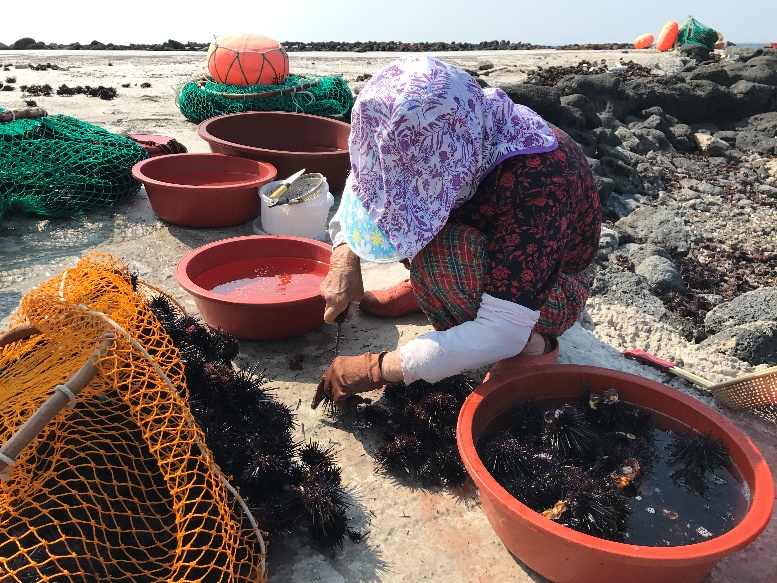
The concept of biocultural diversity illuminates the co-evolution of biological and cultural diversity (Hong, 2013; Bridgewater et al., 2021). As articulated by Luisa Maffi and colleagues (Maffi, 2007; Maffi & Woodley, 2010), it emphasizes that these domains are not independent but mutually reinforcing. Islands—where endemic ecosystems intersect with long histories of human adaptation—are among the most vivid sites in which biocultural diversity is manifested (Hong, 2011; Nazari et al., 2024). Traditional ecological knowledge (TEK) in island contexts clearly demonstrates this interdependence. For example, the haenyeo of Jeju, who free-dive without modern equipment to harvest marine products, rely on embodied knowledge of tides, marine species behavior, and ecological rhythms (Paik, 2019; Figure 1). This example also illustrates intergenerational care systems embedded within island communities, where elderly divers are supported by younger members, reinforcing social cohesion alongside ecological practice. The Bajau maritime nomads of Indonesia have developed sophisticated practices of marine resource use that are inseparable from their cultural identity as sea-oriented peoples. Traditional Pacific navigation, guided by stars, winds, and currents, symbolically reveals how ecological knowledge is inscribed within cultural practice. These examples suggest that conserving biodiversity is inseparable from sustaining cultural systems—and vice versa.
Islandness and Isolation
Islandness refers not only to the physical boundedness of islands but also to the lived sense of existential isolation experienced by their inhabitants (Campbell, 2009; Stratford et al., 2011; Hong, 2023). It encompasses more than geographical separation; it reflects social and cultural conditions shaped by limited resources, small-scale environments, and negotiated relationships with the outside world (Moore, 2015). Isolation often generates distinctive sensibilities: heightened awareness of boundaries, a balance between autonomy and dependence, and selective openness to external influences. While some scholars caution against essentializing “islandness” as a fixed identity, others recognize its value as an analytical lens for understanding how island communities manage relationships with larger political and economic systems. For example, the ways Mediterranean islands navigate tensions between tourism development and cultural preservation illustrate the dynamic interplay between openness and isolation.
Social–Ecological Systems
The concept of social–ecological systems (SES), originating in the work of Berkes and Folke (1998) and further developed by Ostrom (2007), emphasizes the mutual constitution and interdependence of human societies and ecological systems. In island contexts, this interdependence is particularly evident: tides, monsoon winds, and ecological cycles directly organize agricultural and fishing practices, which in turn shape cultural rituals and governance structures. Island cultures abound with examples that challenge the nature/culture dichotomy. In many islands, nature is not perceived as an external environment but as an active participant in social life. Agricultural calendars correspond to lunar cycles and tidal rhythms; communal fishing rituals align with ecological seasons; sacred groves and taboo zones function as mechanisms of ecological governance. Such practices demonstrate how island communities embody and operate the principles of SES in everyday life.
Commons and Community Resilience
A defining feature of many island cultures is the management of commons. Elinor Ostrom’s (1990) pioneering work demonstrated that communities can collectively manage shared resources without succumbing to the “tragedy of the commons,” and islands have often served as paradigmatic sites of such governance. In contexts where spatial and ecological limits are highly visible, commons-based systems have been essential for sustaining livelihoods and reinforcing social cohesion (Tengö et al., 2017). The salt fields and tidal flats of Shinan in Korea, traditional irrigation systems in Okinawa, and communal fishing grounds in the Pacific function not merely as economic institutions but as cultural institutions encoding norms of reciprocity, trust, and collective responsibility. These institutions underpin community resilience—the capacity to adapt and reorganize in response to external shocks such as climate change or capitalist development. The persistence of commons governance in many islands illustrates how cultural practices simultaneously reinforce ecological sustainability and social solidarity.
Archipelagic Thinking
Moving beyond a focus on individual islands, archipelagic thinking emphasizes the relational and networked character of island life. Hauʻofa’s (1993) reimagining of the Pacific as a “sea of islands” reconceptualized islands not as isolated points but as interconnected spaces linked by maritime mobility, cultural exchange, and shared histories. This perspective challenges hierarchical center–periphery models and highlights dispersed, horizontal connections. Archipelagic thinking resonates beyond the Pacific, informing scholarship in the Caribbean, Mediterranean, and Southeast Asia. In the digital era, such connections have expanded further, enabling island communities to build global networks for environmental activism, cultural preservation, and knowledge exchange (Pugh, 2013). Thus, archipelagic thinking functions not only as a conceptual framework but also as a political project that critiques dominant territorial logics and reaffirms the agency of island peoples.
Place-Based Knowledge
Island cultures rely deeply on place-based knowledge rooted in local ecologies. Transmitted orally across generations, this experiential, cumulative, and context-specific knowledge encompasses fine-grained understandings of winds, currents, soils, species, and ecological rhythms, enabling survival and flourishing in vulnerable environments (Ingold, 2010). In the context of global environmental change, the significance of place-based knowledge has gained renewed recognition. As modern science confronts uncertainty and complexity, traditional knowledge systems offer insights into resilience and adaptation (Berkes et al. 2000). In island communities, such knowledge is not merely practical but also ethical and philosophical, emphasizing interdependence with nonhuman beings, humility, and care. Recognizing and integrating this knowledge into contemporary sustainability efforts is both a scientific and cultural responsibility.
Taken together, these six concepts form a comprehensive framework for analyzing island cultures. They illuminate the entanglement of ecology and culture (biocultural diversity and social–ecological systems), the distinctiveness of island conditions (islandness and commons-based resilience), the relational orientation of islands (archipelagic thinking) (Pugh, 2013; 2018), and the epistemological depth of traditional knowledge (place-based knowledge). Crucially, this framework avoids reducing islands to ecological units or cultural curiosities. Instead, it positions them as laboratories of resilience and creativity—sites where alternative pathways for socio-ecological futures are continually imagined and enacted.
3. Literature Review and Comparative Perspectives
Although regional scholarship has been compared, it is crucial to recognize that these regions are not only areas of study but also sites of unique theoretical developments. Pacific scholarship, for example, has emphasized relational ontology and oceanic epistemology (Hauʻofa, 1993), focusing on mobility and interconnectedness rather than fixed territorial boundaries. Caribbean island studies have developed the concepts of creolization and relational identity (Glissant, 1997), challenging essentialist ideas about culture and place. In the Mediterranean, longue durée perspectives (Braudel, 1972) reveal historical layers of connectivity, exchange, and environmental adaptation. More explicitly engaging these regional theoretical traditions enables island studies to move beyond simple comparison toward deeper conceptual integration.
Island studies is a vibrant multidisciplinary field that has developed across geography, anthropology, sociology, ecology, political science, and cultural studies. While the field has diversified conceptually and methodologically, its empirical focus has been uneven across regions. The Pacific and the Caribbean have received comparatively greater attention, whereas East Asia has been less prominently represented. This section reviews regional research, highlights the theoretical contributions of each set of cases, and identifies commonalities and differences through a comparative lens.
Islands of Korea and East Asia
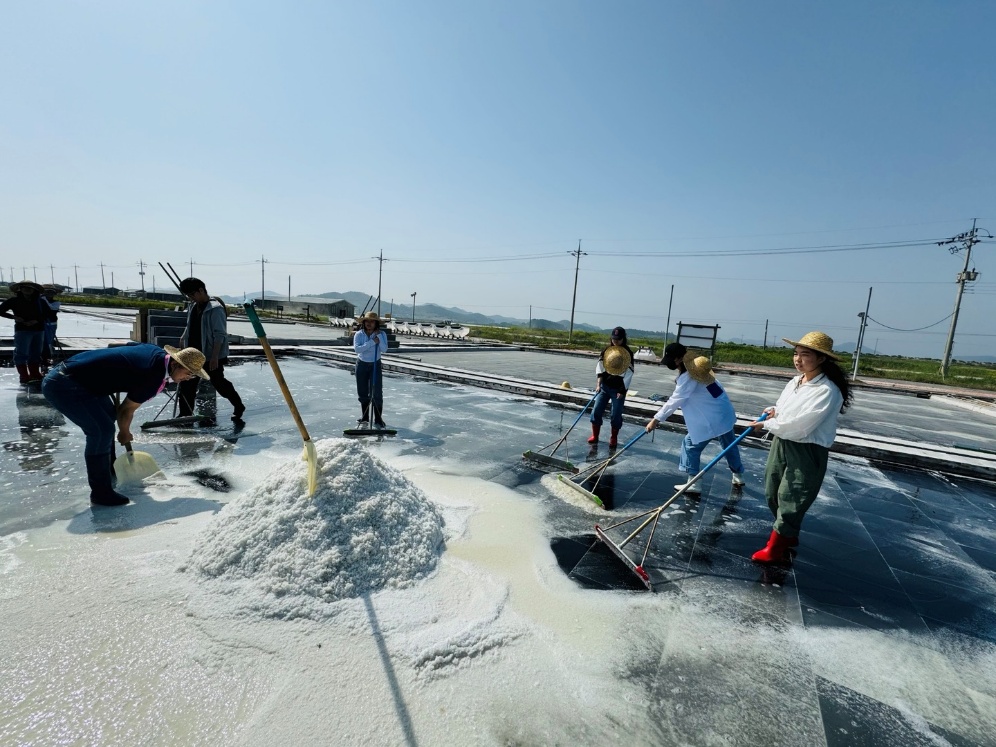
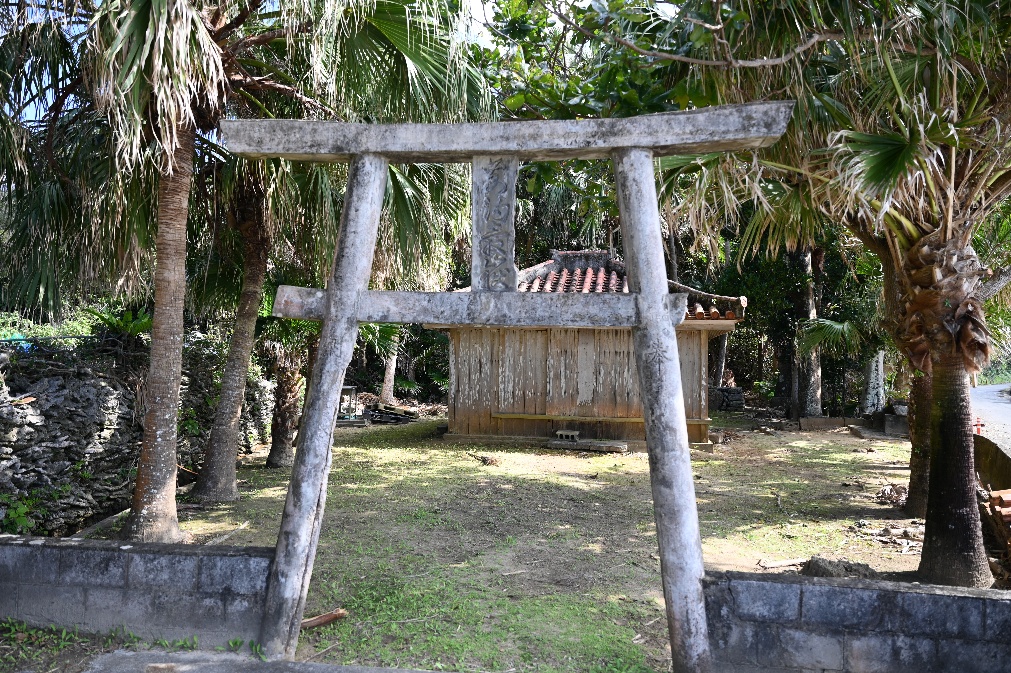
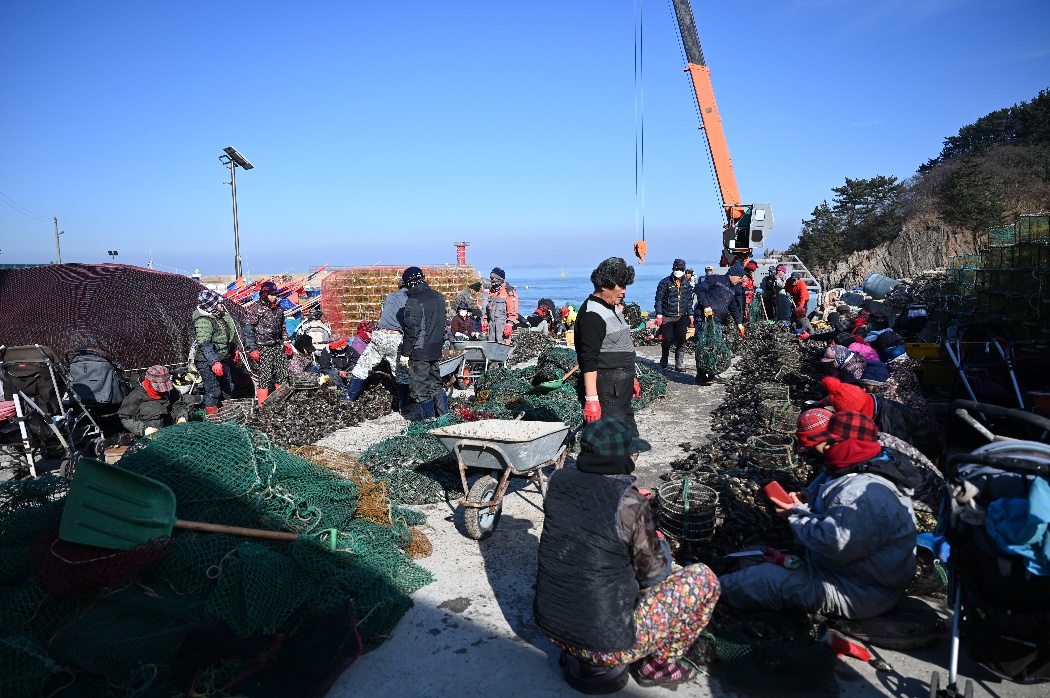
Research on the haenyeo of Jeju demonstrates that these women divers embody sophisticated ecological knowledge of tides, shellfish behavior, and the seasonal rhythms of the sea (Ham, 2017; Chisholm Hatfield and Hong, 2019; Song et al., 2023). The haenyeo are widely interpreted as a paradigmatic example of biocultural heritage that integrates ecological, cultural, and gendered dimensions, and their practice has been inscribed on UNESCO’s Representative List of the Intangible Cultural Heritage of Humanity (Paik, 2019). However, this tradition faces significant threats from demographic aging, modernization, and climate change. The tidal flats and salt fields of Shinan in southwestern Korea provide another example of commons-based resource management (Hong, 2025; Kim, 2017; Kim and Hong, 2026). Collective ownership and communal labor historically structured resource use and generated institutions grounded in reciprocity and resilience (Figure 2). Although state policies and market pressures have challenged these common problems, many communities have maintained cooperative practices, offering important cases of sustained community resilience despite external pressures. In Japan, islands such as Amami Ōshima and Okinawa illustrate tensions between centralized governance and local autonomy. Traditional irrigation systems, forest management practices, and ritual institutions have been studied as expressions of socio-ecological resilience (Lansing, 2006, see Figure 3). At the same time, Okinawa’s militarization and geopolitical position reveals how islandness is shaped by global political forces, complicating narratives of isolation and resilience. Taken together, East Asian cases demonstrate that island cultures are deeply rooted in place-based ecological knowledge while continually negotiating modernization, demographic change, and geopolitical contexts.
Islands of Southeast Asia and the Pacific
The Bajau communities of Indonesia and the Philippines organize their lives around maritime mobility, boat-dwelling traditions, and intimate knowledge of coral reefs, currents, and marine species (Ariando and Arunotai, 2022). Ethnographic studies show that Bajau identity is inseparable from the sea and that their place-based knowledge can be both adaptive and vulnerable under conservation policies and national integration programs. Wakatobi in Southeast Sulawesi has been studied as a hotspot of biocultural diversity (Oktaviani et al., 2025). Local fishing and coral reef management practices intersect with global conservation initiatives, producing tensions between indigenous governance systems and external interventions. Wakatobi also exemplifies archipelagic thinking in practice, as communities perceive themselves not as isolated villages but as part of broader networks of marine and cultural relations.
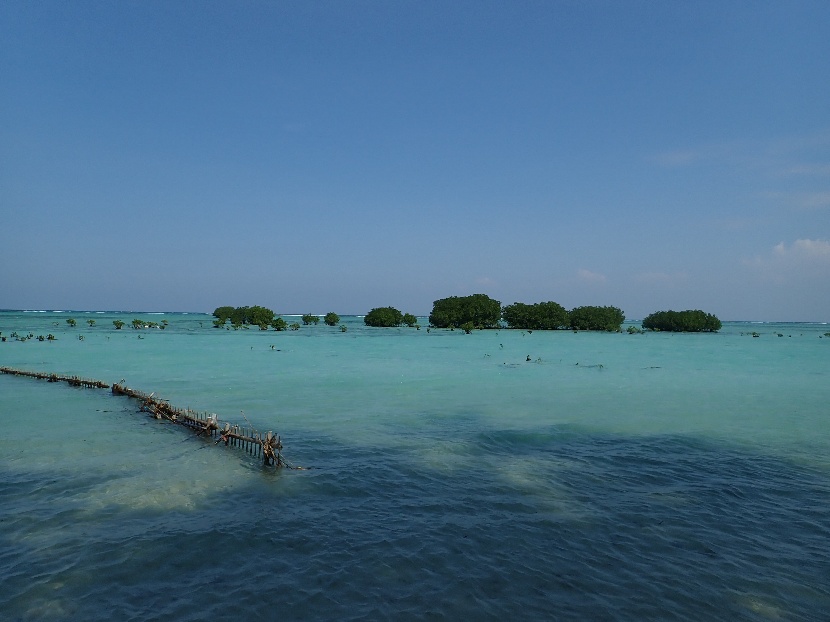
In the Pacific, Polynesian navigation traditions have become emblematic of place-based knowledge. Navigation guided by stars, winds, and ocean swells reveals a highly sophisticated ecological understanding embedded in cultural practice. Hauʻofa’s reconceptualization of the Pacific as a “sea of islands” rejected colonial framings of smallness and isolation, instead emphasizing mobility, relationality, and oceanic connectivity. At the same time, Pacific scholarship highlights the dual condition of resilience and vulnerability. Low-lying atoll nations such as Tuvalu and Kiribati face existential threats from sea-level rise, prompting research on climate-induced migration, sovereignty, and cultural sustainability (Tengö et al., 2017; Song et al., 2019). This body of literature underscores that islands function simultaneously as laboratories of resilience and as frontlines of the climate crisis. Pari Island (Pulau Pari) is one of the small islands off Jakarta, Indonesia (Figure 4). With the rapid increase in tourism, groundwater use has intensified, and seawater intrusion has occurred due to sea-level rise, leading to salinization of freshwater resources. The clearing of mangrove forests—once serving as a natural coastal protection—and tourism-related development have also contributed to land subsidence and coastal flooding, making these issues significant manifestations of the climate crisis.
Comparative Insights
Comparative reading across regions reveals not only recurring themes but also important variations in how island societies organize ecological knowledge, governance, and identity under changing global conditions. Five interrelated insights stand out.
- Biocultural Interdependence as a Structural Condition
Across East Asia, Southeast Asia, the Pacific, the Mediterranean, and the North Atlantic, island cultures consistently demonstrate the co-evolution of ecological and cultural systems. This interdependence is not incidental but structural. Limited land area, finite freshwater, seasonally fluctuating marine resources, and high exposure to climatic variability intensify feedback loops between human activity and ecological response. For example, tidal rhythms shape harvesting calendars in Korea and Japan; coral reef health directly conditions Bajau subsistence patterns; and Atlantic Island fisheries historically structured seasonal labor organization and ritual life. In each case, ecological cycles are not external constraints but constitutive elements of cultural meaning and social organization. Comparative analysis thus reinforces the claim that islands offer particularly clear empirical sites for observing biocultural co-evolution in action (Bridgewater et al., 2021). At the same time, the form of this interdependence varies. In some regions, such as the Pacific, cosmologies explicitly embed humans within oceanic systems. In others, such as the Mediterranean, centuries of trade and imperial incorporation have layered marine-based livelihoods with terrestrial agricultural traditions (Nazari et al., 2024). Comparison, therefore, reveals both the universality of biocultural entanglement and the diversity of its historical expressions.
- Commons and Governance under Ecological Limits
Commons-based resource management emerges repeatedly across regions, yet its institutional forms differ according to ecological scale and political history (Johannes, 2002). In Korea’s tidal flats, communal salt production historically required coordinated labor and shared access regimes. In Okinawa, irrigation and forest management were embedded within village governance. In Pacific islands, communal fishing territories are often tied to kinship and customary law (Song et al., 2019). The comparative perspective highlights that ecological limits—visible coastlines, bounded watersheds, fragile reefs—make collective governance not merely normative but necessary. Islands often lack the spatial redundancy that allows mainland regions to absorb resource depletion elsewhere. Consequently, institutionalized reciprocity and shared responsibility become adaptive strategies. However, comparison also reveals how commons systems are transformed under state centralization, neoliberal policy reforms, tourism development, and conservation regimes. In some contexts, customary tenure systems are formalized; in others, they are marginalized. The resilience of island commons, therefore, depends not only on local cohesion but also on multi-scalar political negotiation.
- Tourism, Globalization, and Economic Reorientation
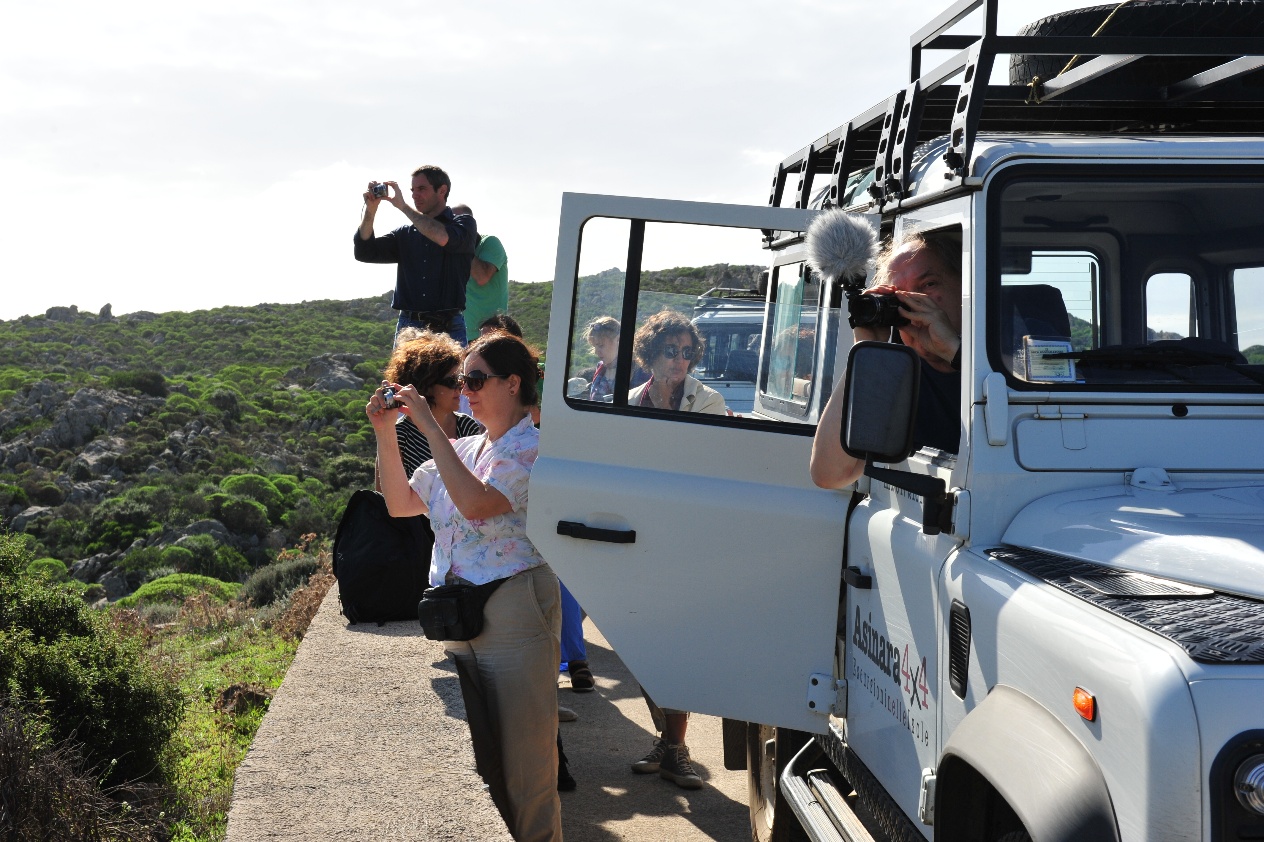
Tourism and global market integration constitute another shared dynamic. Many islands—from the Mediterranean to Southeast Asia—have reoriented their economies toward tourism as fisheries decline or agricultural profitability decreases (Figure 5). Tourism often provides critical income, infrastructure development, and international visibility. Yet comparative analysis shows a dual trajectory. Where tourism is community-managed or culturally embedded, it may reinforce local identity and support conservation. Where development is externally driven and capital-intensive, it can erode commons governance, inflate land prices, displace residents, and commodify culture. This tension illustrates a broader comparative insight: island economies are especially sensitive to global fluctuations because of their scale and limited diversification. Thus, globalization amplifies both opportunity and vulnerability in island contexts.
- Vulnerability and Resilience as Coexisting Conditions
Islands are frequently portrayed as inherently vulnerable, particularly in climate change discourse. Rising sea levels, intensified storms, coral bleaching, and resource depletion disproportionately affect many island territories. Pacific atoll states such as Tuvalu and Kiribati face existential risks, while Mediterranean and East Asian islands confront extreme weather variability and demographic decline. However, comparative evidence complicates narratives of passive vulnerability (Tengö et al., 2017). Island communities often demonstrate adaptive flexibility grounded in long-standing cultural practices: diversified livelihoods, rotational harvesting, ritualized ecological restraint, and strong social networks. Resilience is therefore not an abstract capacity but socially embedded in institutions, values, and collective memory. Importantly, vulnerability and resilience coexist. High exposure to external shocks does not negate agency; rather, it frequently catalyzes innovation. Comparative analysis thus reframes islands not solely as victims of global crises but as active sites of adaptive experimentation.
- Archipelagic Connectivity and Relational Identity
The relational orientation of islands challenges the persistent image of isolation. From Hauʻofa’s Pacific “sea of islands” to the Aegean and Indonesian archipelagos, maritime mobility and inter-island exchange have historically structured social life. Trade routes, migration circuits, religious networks, and kinship ties link islands into broader relational fields. In the contemporary era, digital connectivity and transnational activism further extend these networks. Island communities collaborate across oceans on climate advocacy, cultural revitalization, and sustainable development. Comparative analysis thus reveals that island identity is frequently relational rather than insular, constructed through movement, exchange, and shared ecological concerns. This relationality destabilizes center–periphery models that position islands as marginal. Instead, islands appear as nodal points in global networks, simultaneously locally grounded and globally connected. Taken together, these comparative insights reinforce the argument that island cultures are neither homogeneous nor peripheral. They exhibit recurring structural dynamic biocultural interdependence, commons governance, exposure to globalization, simultaneous vulnerability and resilience, and archipelagic relationality—while also displaying regionally specific historical trajectories. Through comparison, islands emerge not as isolated anomalies but as analytically powerful sites for understanding broader questions of sustainability, governance, and human–environment relations in an era of planetary change.
4. Discussion: Knowledge Gaps and New Directions
A review of the literature across East Asia, Southeast Asia and the Pacific, the Mediterranean, and the North Atlantic reveals both the richness of island studies and its uneven development (John, 2018; Ariando and Arunotai, 2022). Although islands have been celebrated as laboratories of resilience and sites of biocultural heritage (Pathirana, 2025), significant gaps remain in how island cultures are conceptualized and engaged. Addressing these gaps is necessary not only for advancing island studies itself, but also for contributing to broader debates on sustainability, resilience, and human–environment relations.
Regional Imbalance
One of the most visible gaps lies in the geographic distribution of scholarships. The Pacific and the Caribbean have been central to island studies, partly due to their colonial histories, linguistic visibility, and prominence in climate change narratives (Clarke et al., 2019). In contrast, islands in East Asia—such as those in Korea and Japan—remain relatively underrepresented in international theoretical debates. While meaningful regional studies exist on the Jeju haenyeo and Okinawan commons, these cases are seldom integrated into global theoretical discussions. Similarly, although the Mediterranean has a long and rich history of island cultures, scholarships often focus narrowly on tourism or geopolitics, under examining its potential as a laboratory of ecological knowledge. Future research should broaden its geographic scope to encompass diverse archipelagos and avoid generalizing from a limited set of well-known regions.
Disciplinary Fragmentation
Another persistent issue is disciplinary fragmentation. Anthropology, geography, ecology, and political science frequently study islands in parallel rather than in dialogue, emphasizing rituals, settlement patterns, biodiversity, or governance separately. Although island studies are nominally interdisciplinary, in practice, they often remain compartmentalized. This fragmentation limits our ability to understand islands as integrated social–ecological systems. A key task for future scholarships is to build genuinely transdisciplinary frameworks that connect qualitative and quantitative approaches, integrate ethnographic depth with ecological modeling, and link local narratives with global sustainability indicators.
Under-theorization of Power and Inequality
While much island scholarship emphasizes resilience and cultural creativity, it has sometimes neglected critical analyses of power relations. Moreover, the discourse of resilience itself requires critical interrogation. While often celebrated as a positive attribute, resilience can obscure structural inequalities and shift responsibility onto local communities without addressing the broader political and economic forces that produce vulnerability. From a political ecology perspective, island environments are frequently shaped by external actors, including state policies, global markets, and conservation regimes, which may marginalize local knowledge and practices. Feminist island studies further highlight how gendered labor—such as that of the haenyeo—is often undervalued despite its ecological significance. Decolonial approaches similarly call attention to how island territories have historically been positioned within unequal power relations, from colonial extraction to contemporary tourism economies. Incorporating these perspectives is essential for developing a more ethically grounded and analytically robust understanding of island sustainability.
Framing island communities as inherently “resilient” can obscure structural inequalities, external exploitation, and political marginalization. For example, success stories of commons management must also ask who has access and who is excluded. Tourism development may bring opportunities, but issues of dependency, labor precarity, and cultural commodification are often underanalyzed. Future research should incorporate critical perspectives from political ecology, feminist theory, and decolonial studies to avoid romanticizing island resilience and to foreground questions of justice and inequality.
Limited Engagement with Broader Theoretical Debates
Concepts such as biocultural diversity and archipelagic thinking have been well developed within island studies, yet their engagement with broader theoretical conversations remains insufficient. For instance, the Blue Humanities and new thalassology foreground the sea as a cultural and epistemological space, but island studies have only partially integrated these perspectives. Similarly, Anthropocene discourse foregrounds planetary ecological crisis, yet islands have not been fully positioned as distinctive sites of insight within this framework. Strengthening systematic engagement with sustainability science, resilience theory, and environmental humanities would enrich both island studies and these broader fields of inquiry.
Climate Change and Adaptation
Islands are frequently described as being on the frontlines of climate change, but research often focuses narrowly on the vulnerability of atoll nations. Such framing risks reproducing victim narratives and overlooking community-led adaptation strategies and innovations (Clarke et al., 2019). While migration and relocation are often discussed as inevitable outcomes, comparatively less attention is given to climate-resilient agriculture, hybrid governance arrangements, and the revitalization of traditional ecological knowledge (Pathirana, 2025). Future research should move beyond vulnerability-centered narratives and systematically document and theorize the diverse ways in which island cultures actively respond to climate change.
The Knowledge Gap between Policy and Practice
A further gap exists between academic scholarship and policy implementation. Although the importance of commons, resilience, and place-based knowledge is widely acknowledged, these insights are often not translated into operational governance frameworks. National governments and international organizations frequently impose top-down policies that marginalize local knowledge systems, leading to conflict and inefficiency. Bridging this gap requires co-production of knowledge with island communities, participatory research methodologies, and integrative frameworks that combine traditional and scientific knowledge. Such approaches align with international initiatives—including the Convention on Biological Diversity (CBD) and the Sustainable Development Goals (SDGs)—which emphasize the importance of indigenous knowledge and community-based governance (Kim, 2019).
5. Conclusion
This paper has argued that islands should be understood not as peripheral curiosities, but as central sites for rethinking human–environment relations in the twenty-first century. Through six interconnected analytical lenses—biocultural diversity, islandness and isolation, social–ecological systems, commons and community resilience, archipelagic thinking, and place-based knowledge—it has become clear that islands embody complex socio-ecological entanglements deeply intertwined with global challenges. Islands are neither isolated nor marginal; they are relational, networked, and deeply embedded within global processes. At the same time, they retain distinctive ecological and cultural characteristics that offer critical lessons for sustainability and resilience.
Islands as Laboratories of Sustainability
One of the central insights of this study is that islands function as living laboratories of sustainability (Figure 6). Ecological constraints, small scale, and the high visibility of environmental change render human–environment interactions particularly legible (Berkes et al. 2000). Commons-based management of tidal flats in Korea (Hong and Grydehøj, 2022), the preservation of traditional navigation in the Pacific, and community-based fisheries in the North Atlantic demonstrate how cultural systems evolve in direct dialogue with ecological conditions. These practices highlight the capacity of island communities to adapt, innovate, and sustain livelihoods amid scarcity and uncertainty.
Rethinking Boundaries
Islands also compel us to rethink boundaries—between nature and culture, tradition and modernity, local and global. In island contexts, such distinctions are often blurred. Ecological rhythms shape ritual life, while cultural practices sustain ecological systems. Archipelagic thinking disrupts the logic of isolation and emphasizes connectivity, mobility, and interdependence (Moore, 2015). This perspective challenges hierarchical models that position islands as subordinate peripheries and instead situate them as nodal points within relational networks. Such a shift is not only analytically productive but also politically transformative.
Lessons for Global Sustainability
The insights derived from island cultures resonate far beyond island contexts. In the face of global challenges such as climate change, biodiversity loss, and socio-ecological transformation, the philosophies and practices of island communities offer meaningful guidance. Place-based knowledge underscores humility and care in human–environment relations; commons governance demonstrates the feasibility of collective action; cultures of resilience show how adaptation can occur without the loss of identity (Nazari et al., 2024). In these ways, islands contribute concrete alternatives to global sustainability discourse.
Policy and Scholarly Implications
The findings of this paper carry important implications for both policy and scholarship. Policymakers must recognize islands not as passive recipients of global strategies, but as active producers of knowledge (Hong and Grydehøj, 2022). Conservation, climate adaptation, and sustainable development policies should be designed in partnership with island communities and grounded in local practices and knowledge systems. For scholars, significant challenges remain in addressing regional imbalances, overcoming disciplinary silos, and, more critically, theorizing power relations. By integrating island studies with global debates on the Anthropocene, the Blue Humanities, and environmental justice, islands can be positioned as key contributors to some of the most urgent intellectual and political questions of our time.
Toward an Island Epistemology
What we term “island epistemology” requires further conceptual development. Rather than treating islands merely as empirical sites, island epistemology may be understood as a mode of knowing grounded in relational ontology, where humans, nonhuman beings, and ecological processes are conceived as fundamentally interconnected. This perspective resonates strongly with Indigenous knowledge systems, particularly in the Pacific, where knowledge is embodied, place-based, and transmitted through lived practice rather than abstract representation. Island epistemology challenges dominant Western epistemological traditions that prioritize universality, abstraction, and human–nature dualism. Instead, it foregrounds situated knowledge, interdependence, and ethical responsibility toward both human and nonhuman communities. Knowledge, in this sense, is not detached observation but emerges through continuous interaction with specific ecological and cultural contexts (Hong and Pungetti, 2012). Moreover, island epistemology highlights the importance of scale and limitation. The boundedness of island environments renders ecological feedback more visible, fostering a heightened awareness of sustainability, reciprocity, and care. This does not imply that island knowledge is inherently superior, but rather that it offers critical insights into alternative ways of knowing that are urgently needed in the Anthropocene. In this regard, island epistemology is not confined to island societies. It offers a broader philosophical framework for rethinking sustainability, resilience, and human–environment relations in a time of planetary crisis. Islands, therefore, are not only sites of analysis but also sources of epistemological transformation.
Acknowledgements
This paper is a revised and expanded version of a presentation delivered at the 2025 Yeosu International Island Forum. This research was supported by the Humanities Korea Plus (HK+) Project of the National Research Foundation of Korea (Grant No. 2020S1A6A3A01109908). The authors would like to express their sincere gratitude to Dr. Evangelia Papoutsaki for her thoughtful and constructive review of this manuscript.
References
- Ariando, W., Arunotai, N., 2022. The Bajau as a left-behind group in the context of coastal and marine co-management system in Indonesia. Journal of Marine and Island Cultures 11(1): 260–278. https://doi.org/10.21463/jmic.2022.11.1.18
- Berkes, F., Folke, C., 1998. Linking Social and Ecological Systems: Management Practices and Social Mechanisms for Building Resilience. Cambridge University Press, Cambridge. pp. 3-6.
- Berkes, F., Colding, J., Folke, C., 2000. Rediscovery of traditional ecological knowledge as adaptive management. Ecological Applications 10(5): 1251–1262.
- Braudel, F. 1972. The Mediterranean and the Mediterranean World in the Age of Philip II, Volume 1. Collins, University of Minnesota. 642 pages.
- Bridgewater, P., Rotherham, I.D., Xu, J., 2021. Biocultural diversity and landscape: Linking nature and culture. Sustainability Science 16: 111–123.
- Campbell, J. 2009. ISLANDNESS, Vulnerability and Resilience in Oceania. Shima 3(1): 85–97.
- Clarke, T., McNamara, K.E., Clissold, R., Nunn, P.D., 2019. Community-based adaptation to climate change: Lessons from Tanna Island, Vanuatu. Island Studies Journal 14(1): 59–80. https://doi.org/10.24043/isj.80
- Chisholm Hatfield, S., Hong, S.-K., 2019. Mermaids of South Korea: Haenyeo (women divers), traditional ecological knowledge, and climate change impacts. Journal of Marine and Island Cultures 8(1): 1–16. https://doi.org/10.21463/jmic.2019.08.1.01
- DeLoughrey, E.M., 2019. Allegories of the Anthropocene. Duke University Press, Durham.
- Glissant, É., 1997. Poetics of Relation. University of Michigan Press, Ann Arbor.
- Godfrey, B., 2020. The Routledge International Handbook of Island Studies. A World of Islands. Routledge Taylor & Francis Group, 500p.
- Godfrey, B., 2004. The Coming Of Age Of Island Studies, Tijdschrift voor Economische en Sociale Geografie, Royal Dutch Geographical Society KNAG, 95(3): 272-283.
- Grydehøj, A. 2020. Critical approaches to island geography. Area 52(1): 2-5. https://doi.org/10.1111/area.12546
- Grydehøj, A. 2017. Islands as legible geographies: perceiving the islandness of Kalaallit Nunaat (Greenland). Journal of Marine and Island Cultures 13(1): 1–11. 10.21463/jmic.2018.07.1.01
- Ham, H.-H., 2017. Challenges and issues of the Jeju women divers community after the inscription on the UNESCO list: Focusing on the process of “heritization.” Journal of Intangible Cultural Heritage Studies 2(2): 7–25.
- Harrison, K.D., Kelso, N., Ramík, D.M., Ramík, N., Plunkett, G.M., Wahe, M., Balick, M.J., 2024. Wind lore as environmental knowledge in Southern Vanuatu. Journal of Marine and Island Cultures 13(1): 1–24.
- Hauʻofa, E., 1993. Our sea of islands. In: Waddell, E., Naidu, V., Hauʻofa, E. (Eds.), A New Oceania: Rediscovering Our Sea of Islands. School of Social and Economic Development, University of the South Pacific, Suva, pp. 2–16.
- Hong, S.-K., 2025. The future of biocultural traditions and new challenges: island cuisine in Korea. in: Fusté-Forné, F., Wolf, E. (Eds.), Food and Beverage Tourism on Islands. Edward Elgar Publishing, pp. 189-204. https://doi.org/10.4337/9781035337019.00024
- Hong, S.-K. 2023. Biocultural Diversity and Islandness: On human-geographical and typological approaches. Journal of Marine and Island Cultures. 12(3): 1-13. https://doi.org/10.21463/jmic.2023.12.3.01
- Hong, S.-K., 2013. Biocultural diversity conservation for island and islanders: Necessity, goal and activity. Journal of Marine and Island Cultures 2(2): 102–106. https://doi.org/10.1016/j.imic.2013.11.004
- Hong, S.-K., 2011. Biocultural diversity and traditional ecological knowledge in island regions of Southwestern Korea. Journal of Ecology and Field Biology 34(2): 137–147.
- Hong, S.-K., Grydehøj, A., 2022. Sustainable island communities and fishing villages in South Korea: Challenges, opportunities and limitations. Sustainability 14(24): 16657. https://doi.org/10.3390/su142416657
- Hong, S.-K., Pungetti, G., 2012., Marine and Island Cultures: A unique journey of discovery. Journal of Marine and Island Cultures 1(1): 1-2. https://doi.org/10.1016/j.imic.2012.06.001
- Hong, S.-K., Maffi, L., Oviedo, G., Matsuda, H., Kim, J.-E., 2014. Development and vision of island biocultural diversity initiative. In: Hong, S.-K., Bogaert, J., Min, Q. (Eds.), Biocultural Landscapes. Springer, Dordrecht, pp. 275–292. https://doi.org/10.1007/978-94-017-8941-7_14
- Ingold, T., 2010. Footprints through the weather-world: Walking, breathing, knowing. Journal of the Royal Anthropological Institute 16(S1): S121–S139.
- Johannes, R.E., 2002. The Renaissance of Community-Based Marine Resource Management in Oceania. Annual Review of Ecology and Systematics, 33: 317–340. http://www.jstor.org/stable/3069265
- John, C., 2018. Islands: Balancing development and sustainability? Environmental Conservation 45: 111–124. https://doi.org/10.1017/S0376892918000036
- Kim, J.-E., 2017. The discussion of sun-dried salt field and eco-cultural resources utilization in Jeungdo and Shineuido, Shinan County, Jeonnam. The Journal of Korean Island 29(1): 309–330.
- Kim, J.-E., 2019. Traditional ecological knowledge and sustainability of ecosystem services on islands: A case study of Shinan County, Jeollanamdo, Republic of Korea. Journal of Marine and Island Cultures 8(1): 28–35.
- Kim, J.-E., Hong, S.-K., 2011. Pattern and process in MAEUL, a traditional Korean rural landscape. Journal of Ecology and Field Biology 34(2): 237–249.
- Kim, J.-E., Hong, S.-K., 2026. Land use and nature-based climate adaptation in coastal and island regions: A case study of Muan and Shinan, South Korea. Sustainability 18(1): 380. https://doi.org/10.3390/su18010380
- Lansing, J.S., 1987. Balinese “water temples” and the management of irrigation. American Anthropologist 89(2): 326–341. https://doi.org/10.1525/aa.1987.89.2.02a00030
- Lansing, J.S., 2006. Perfect Order: Recognizing Complexity in Bali. Princeton University Press, Princeton.
- Lee, G.A., Kim, J.-E., Hong, S.-K., 2023. Historical, Geographical, and Biocultural Values of ‘Doksal’, Korean Stone Tidal Weirs. Journal of Marine and Island Cultures 12(3): 111-121.
- Maffi, L., 2007. Biocultural diversity and sustainability. Annual Review of Environment and Resources 32: 547–574.
- Maffi, L., Woodley, E., 2010. Biocultural Diversity Conservation: A Global Sourcebook. Earthscan, London.
- Moore, A., 2015. Islands of difference: Islandness and the struggle for sustainability. Environmental Conservation 42(3): 211–221.
- Nazari, V., Pungetti, G., Hong, SK., Belardinelli, S., Destro Bisol, G., Pievani, D. 2024. Island biocultural diversity in the Mediterranean: the case study of Sardinia. Reg Environ Change 24: 143. https://doi.org/10.1007/s10113-024-02308-2
- Oktaviani, D., Nugroho, D., Wiati, C.B., Puspasari, R., Januar, H.I., Purnamasari, R.A., Praptiwi, R.A., Purwanto, Y., 2025. Fishers’ perceptions of the climate change impact on fishing in small islands of Wakatobi. Journal of Marine and Island Cultures 14(2): 340–364. https://doi.org/10.21463/jmic.2025.14.2.20
- Ostrom, E., 2007. A diagnostic approach for going beyond panaceas. Proceedings of the National Academy of Sciences 104(39): 15181–15187.
- Ostrom, E. (1990). Governing the commons: The evolution of institutions for collective action. Cambridge: Cambridge University Press.
- Paik, Y.-G., 2019. The meaning of “heritage” and communal life: A case study of a Jeju village. Culture and Convergence 41(2): 1017–1050.
- Pathirana, A., 2025. Small islands: Living laboratories revealing global climate and sustainable development challenges. Frontiers in Climate 6. https://doi.org/10.3389/fclim.2024.1445378
- Pugh, J., 2013. Island movements: Thinking with the archipelago. Island Studies Journal 8(1): 9–24.
- Pugh, J., 2018. Relationality and island studies in the Anthropocene. Island Studies Journal 13(2): 93–110. https://doi.org/10.24043/isj.48
- Sheller, M., 2003. Consuming the Caribbean: From Philanthropy to Post-colonialism. Routledge, London.
- Song, A.M., Cohen, P.J., Hanich, Q., Morrison, T.H., Andrew, N.L., 2019. Multi-scale policy diffusion and translation in Pacific Island coastal fisheries. Ocean & Coastal Management 168: 139–149.
- Song, W., Jo, C., Yu, H., Lee, J.-H., 2023. Sustainability inherent in Jeju haenyeo (women divers)’ indigenous knowledge. Journal of Cultural and Historical Geography 35(3): 75–91. https://doi.org/10.29349/JCHG.2023.35.3.75
- Stratford, E., Baldacchino, G., McMahon, E., Farbotko, C., Harwood, A., 2011. Envisioning the archipelago. Island Studies Journal 6(2): 113–130.
- Tagliacozzo, E., 2005. Secret Trades, Porous Borders: Smuggling and States Along a Southeast Asian Frontier, 1865–1915. Yale University Press, New Haven.
- Tengö, M., Hill, R., Malmer, P., Raymond, C.M., Spierenburg, M., Danielsen, F., Thomas, E., Folke, C., 2017. Weaving knowledge systems in IPBES, CBD, and beyond—Lessons learned for sustainability. Current Opinion in Environmental Sustainability 26–27: 17–25. https://doi.org/10.1016/j.cosust.2016.12.005
- UNEP, 2021. Seaweed Revolution: A Manifesto for a Sustainable Future. United Nations Environment Programme, Nairobi.
- Vallega, A., 2007. The role of culture in island sustainable development. Ocean & Coastal Management 50: 279–300. https://doi.org/10.1016/j.ocecoaman.2007.02.003
- Yoon, Y.-T., 2010. Contemporary significance of Jeju Island's ecological culture. Tamla Culture 37: 317–352. https://doi.org/10.35221/tamla.2010..37.010