
Nostalgia and memories of everyday life: A narrative-visual study of Sant’Andrea Island (Gallipoli, Italy)
 10.21463/jmic.2025.14.2.09
Abstract
This paper presents a narrative and visual study that employs biographical methods, particularly everyday life stories, within a geographical framework. The objective is to explore the potential of narrative practices in strategies for the protection and enhancement of vulnerable island territories. To this end, the study showcases the filmic output of field research conducted on the Island of Sant’Andrea (Italy), located in the southeastern Ionian Sea near Gallipoli, a destination subject to significant summer tourism. This small island boasts an extraordinary historical and environmental heritage and has been legally protected since the enactment of Regional Law No. 20 of 2006, which designated it as part of the Regional Natural Park of Sant’Andrea Island and Punta Pizzo Coastline. Currently uninhabited and off-limits to visitors, the Island of Sant’Andrea was home to a small community until approximately fifty years ago, primarily responsible for managing the offshore lighthouse. In the context of filmed narrative interviews, former inhabitants were brought back to the island to share their memories and accounts of everyday life. This collection of life stories not only serves as an exercise in historical recovery but also provides an opportunity to reflect on how these narratives can inform new approaches to the island’s use and planning.
Keywords
small island, Sant’Andrea Island of Gallipoli, narrative research, visual research, everyday life stories
Introduction
This narrative-visual study on the Island of Sant’Andrea in Gallipoli (Italy) is the outcome of a research project funded by the European Social Fund under the Riparti Programme of the Apulia Region. The project, titled Edutainment Documentaries for the Narration of Local Cultures, was conducted between December 2023 and September 2024 as part of the School of Placetelling at the Department of Human and Social Sciences, University of Salento (Lecce, Italy). Established in 2016 in collaboration with the Centro Universitario Europeo per i Beni Culturali (Ravello, Italy), this laboratory of narrative practices is dedicated to advancing geographical research.
Over time, Placetelling research has been primarily applied to vulnerable territorial contexts and both tangible and intangible cultural heritage, which require new narratives to (re-)activate more conscious processes of (re-)discovery and (re-)appropriation of space among individuals and communities. To this end, specific narrative pathways have been designed and undertaken in collaboration with local actors, allowing for the iterative testing of various methods for collecting, processing, and representing personal stories (such as biographies, family histories, oral accounts, diaries, experiential narratives, and testimonies) (Bamberg, 2006). These approaches have facilitated the exploration of complex issues from a phenomenological perspective, including the depopulation of marginal areas, migration dynamics, the geographies of labor and memory, socio-spatial injustices, and diverse forms of resilience and territorial regeneration.
At the core of this study lies a guiding research question: how can the oral and visual narratives of Sant’Andrea Island’s last inhabitants contribute to reimagining the island not solely as a protected natural area, but as a lived, inhabited, and culturally meaningful space? So the research explores the transformative potential of narrative practices in reconnecting the island’s environmental dimension with its human and historical layers, thus fostering strategies of valorization that integrate ecological preservation with intangible heritage. In this context, storytelling is not merely a tool for documentation, but a political and performative act. one that restores visibility to marginalized memories, encourages new forms of civic engagement, and suggests a more inclusive, responsible, and community-oriented approach to the public geography of fragile territories. This is particularly evident when engaging with small stories (Lorimer, 2003), such as individuals’ everyday life narratives, as exemplified by Oral Geographies (Riley & Harvey, 2007; Kwan, 2008), the theoretical framework that informs the present research.
Oral Geographies emphasize the voices of individuals and groups who are often absent from written records or official accounts and for whom orality represents a more accessible medium for expressing opinions and ideas. As first-hand accounts, oral histories are inherently shaped by the subjective perspectives of participants. In this sense, they do not seek to provide objective representations of reality but rather offer valuable insights into lived experience (Creswell, 2007; Kwan & Ding, 2008; Nagar, 1997), enabling an exploration of (self)-perception and (self)-representation.
Oral Geographies provide a particularly fertile framework for exploring themes that intersect individual and collective dimensions, such as change, loss, and traumatic experiences affecting individuals, small groups, or entire communities (e.g., wars, crises, disasters, migrations, and environmental or climatic changes). In these contexts, Oral Geographies enable the investigation of processes of meaning-making and the reinterpretation of collective trauma and loss, offering insights into local resonances and perceptions of global phenomena (Baptiste, 2012; 2016).
Furthermore, Oral Geographies serve as a valuable tool for reconstructing evolving landscapes and ecosystems in the absence of written sources, particularly in cultural contexts where oral tradition predominates (such as indigenous or rural settings).
To enhance the communication and dissemination of geographical research to a broader audience, Oral Geographies can be translated into participatory mapping projects, thematic studies aimed at identifying recurring motifs and symbolic connections within oral accounts, and visual or multimedia productions. Audio and video materials, in particular, can contribute to the creation of memory archives, ensuring the long-term preservation, accessibility, and appreciation of oral narrative heritage.
Theorical framework
Within this theoretical framework, I designed the visual narrative of Sant’Andrea Island (Gallipoli, Italy), titled A nostalgia de r’isula, which in the local dialect means “the nostalgia of the island.”
I envisioned that the nostalgia of those who inhabited the island until a few decades ago could serve as a powerful medium for exploring alternative ways of understanding a now-uninhabited small island; one that, in the past, played a crucial role as a territorial outpost for the Salento region and the Ionian coast.
Nostalgia operates as a trans-scalar connective force (Wheeler, 2017): it can be both the outcome of macro-dynamics occurring on a global scale – shaping the lives of individuals and communities by altering lifestyles, intersubjective relationships, and socio-territorial practices – and, at the same time, a catalyst for change, fostering spaces of resistance against the processes of meaning erosion that characterize contemporary society. In this sense, nostalgia should not be regarded solely as a regressive state of mind but also as a progressive force (Boym, 2001). Bonnett (2015), for example, explores nostalgia from a geographical perspective, framing it as both a product of modernity and globalization and as a force that challenges and transcends these political and economic paradigms. In this regard, nostalgia serves as a bridge between the global and the local. Building on these considerations, I recognized the nostalgia experienced by the former inhabitants of the Island of Sant’Andrea – the sense of loss they felt after leaving, which for a long time translated into a feeling of homelessness (Kitson & McHugh, 2015) – as a valuable lens through which to investigate ways of inhabiting small islands, place attachment, and the individual and collective sensibilities that coalesce around certain places. These are spaces that have been shaped and transformed – sometimes emptied and depopulated – by the advent of modernity, automation, and mechanization (Appadurai, 1996).
It is not merely a matter of indulging in nostalgic sentiments that romanticize the premodern past while opposing progress and change. Rather, it involves reclaiming the role of lived experiences and collective memory in local governance, particularly in relation to planning and development processes. In other words, this means making the history of a territory productive – not treating it as a static or obsolete entity, but recognizing it as a living material endowed with its own agency, one that connects past, present, and future (Cardillo, Cavallo, Gallia, Malatesta, 2021).
My research is situated within a broader framework of studies on small uninhabited or temporarily inhabited islands, which have limited and often inadequate connections to the mainland and constitute environmentally and ecologically vulnerable territories (Royle, 2002; Kova, Favro, Gržeti, 2012; Alexopoulos, Karris, Kokkali, 2013). Due to their remoteness, uninhabited small islands often serve as ideal habitats for important protected flora and fauna species and are therefore primarily regarded as biodiversity reserves, with conservation efforts focused solely on this aspect. However, in the past, these islands hosted settlements, microeconomies, and active, productive communities – an aspect that must be considered when designing territorial policies and sustainable development strategies for small island areas. The complexity of this issue increases when small islands are part of protected areas, as in the case study of this research. On the one hand, this designation ensures greater public attention to the ecological vulnerabilities of island ecosystems; on the other, it necessitates the implementation of measures to enhance local communities’ awareness and sensitivity regarding the risk factors threatening these fragile insular territories. These awareness-raising actions are implemented through programs of dissemination, information, knowledge transmission, and the narration of cultural and natural heritage. By employing targeted communication and storytelling strategies, it is possible to facilitate the process of heritage-making (patrimonialization) of natural, environmental, and landscape resources by local communities. At the same time, from a disciplinary perspective, such approaches position geography as an active and socially engaged field of practice. This envisions a geography that serves as a narrative both from and for communities, that takes responsibility for the future of fragile territories, and that fosters dialogue between institutions, administrations, and local areas. The goal is to construct and transmit knowledge while bridging academic research with the diverse audiences that make up civil society.
This represents a complex operational challenge, opening the possibility of conceptualizing visual narratives as practices with a performative function in relation to geographical reality. Such narratives can influence the agency of communities in their self-determination when facing risks associated with indiscriminate resource exploitation, landscape and environmental degradation, and the consequent loss of territorial identity. Furthermore, they play a role in addressing the depletion of both tangible and intangible cultural heritage, reinforcing the need for strategies that integrate visual storytelling into processes of environmental and social awareness (Bignante, 2011).
Protective regulatory frameworks for small islands in Protected Areas
According to the IUCN (International Union for Conservation of Nature) definition, a protected area is “a clearly defined geographical space, recognized, dedicated, and managed through legal or other effective means to achieve the long-term conservation of nature and associated ecosystem services and cultural values” (Dudley et al., 2008, p. 60). As such, protected areas face the complex challenge of balancing biodiversity conservation goals with the implementation of resource enhancement strategies that can simultaneously ensure a sustainable model for managing human-nature interactions. This challenge becomes even more critical in the case of insular territories within protected areas – whether strict nature reserves, wilderness areas, national parks, natural monuments, or habitat/species management areas – which are characterized by high environmental vulnerability and endemic fragility. These factors are further exacerbated by the threats posed by climate change (Duvat, Magnan, Wise, Hay, Fazey, Hinkel, Stojanovic, Yamano, Ballu, 2017).
In this regard, as Ratter (2018) argues, we can refer to the “speciality of small islands”; in other words, the idea that islands should be seen not only as highly vulnerable spaces but also as unique observatories that offer valuable insights into contemporary environmental, economic, and political dynamics (Baldacchino, 2015). Precisely because of this inherent fragility, management authorities often opt to reduce tourism pressure, implementing containment measures and realigning visitor flows to prioritize biodiversity conservation and ecosystem balance. At the same time, these strategies serve to reorient visitor experiences, promoting more sustainable models of engagement with island environments.
Ultimately, such measures also support seasonal diversification, with potential positive impacts on the quality of tourism offerings and destination management. By extending visitor engagement beyond peak seasons, these strategies contribute to a more resilient and sustainable tourism economy while ensuring the long-term preservation of the island’s ecological and cultural heritage.
These territorial governance tools are established by specific regulatory frameworks. In Italy, the primary reference is the National Biodiversity Strategy 2030, which aligns with the European Union’s Biodiversity Strategy within the broader framework of the European Green Deal. This initiative comprises a set of strategic policies aimed at harmonizing EU legislation across various sectors – including climate, environment, energy, transportation, industry, agriculture, and sustainable finance – all under the guiding principle of a green transition, with the ultimate goal of achieving climate neutrality by 2050. The governance tools outlined in these strategies are diverse and include: a) data sharing, to facilitate better access to knowledge on climate impacts; b) ecosystem protection measures, based on resilience-oriented and nature-based solutions; c) expansion of protected terrestrial and marine areas; d) policies aimed at reducing land consumption; e) increased financial investments dedicated to conservation and sustainability initiatives.
These strategies collectively seek to integrate environmental sustainability into territorial planning, ensuring that conservation efforts are scientifically informed, economically viable, and socially inclusive. In addition to these measures, the strategies also encompass and promote awareness campaigns aimed at educating visitors and tourism operators about their potential role in biodiversity conservation within protected areas. This is achieved through targeted communication and training initiatives, including workshops, seminars, and public events.
The significance of these efforts lies in their function as key drivers of change and facilitators of decision-making processes. Their impact is particularly evident when embedded within participatory biodiversity education programs, which ensure the broad and democratic dissemination of information between the academic community, stakeholders, and local populations. By fostering engagement and shared responsibility, these initiatives contribute to a more inclusive governance model, where scientific knowledge, policy strategies, and community perspectives intersect to support long-term sustainability goals.
Analysis of the territorial context
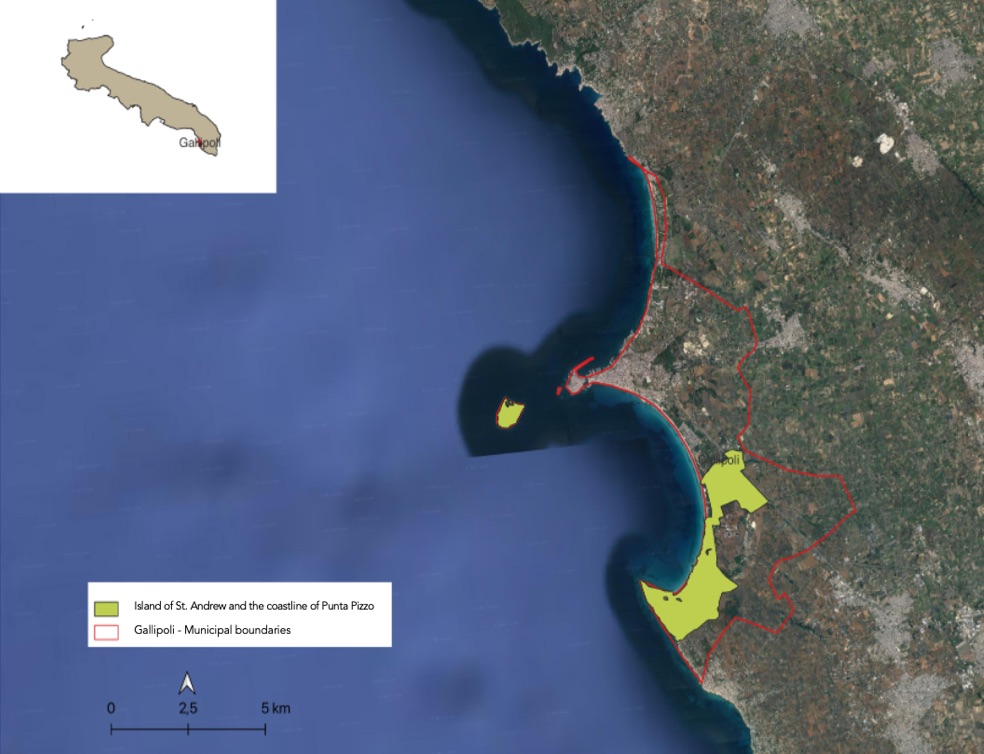
To explore the potential of such communication and storytelling practices, a field study was conducted on Sant’Andrea Island (Gallipoli, Italy), located in the southeastern Ionian Sea, just 1.5 km west of the Salento coast, near the city of Gallipoli (Fig. 1). Gallipoli is a major destination for large-scale summer tourism, primarily driven by the youth entertainment and beach industry, which seasonally leads to a crisis in the area's anthropic carrying capacity.
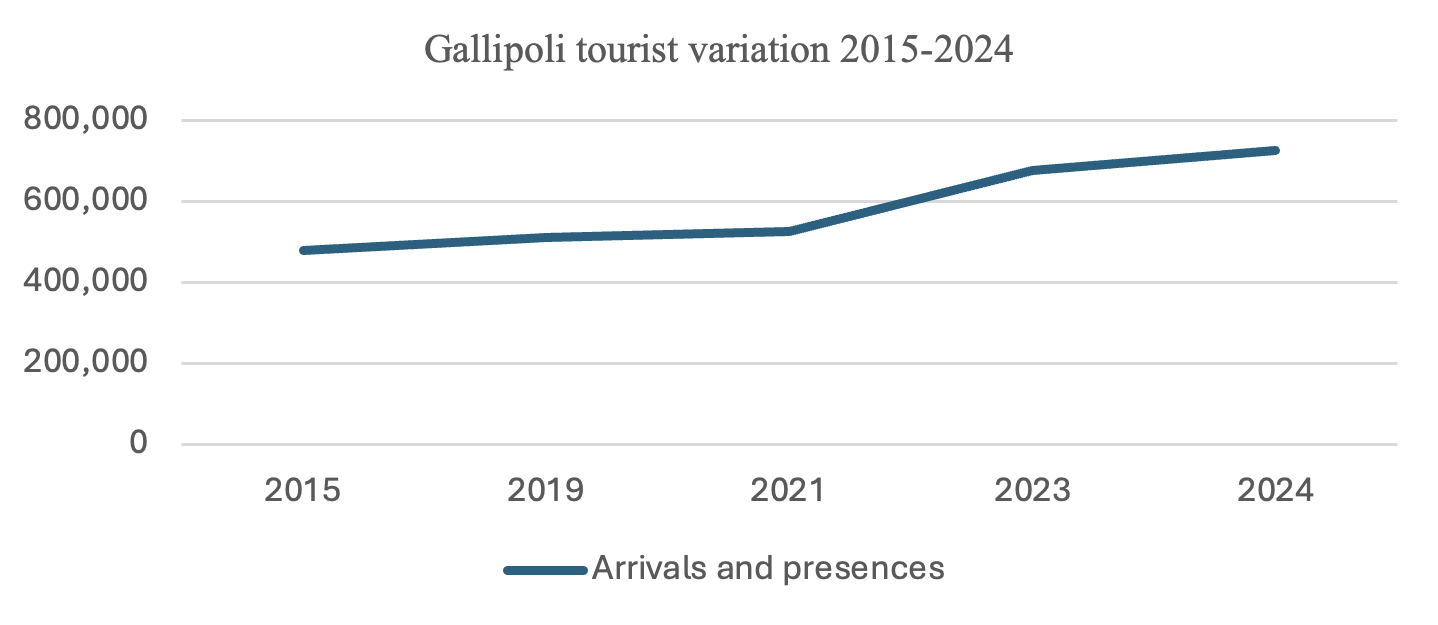
The tourism sector in this area has shown a steadily increasing positive trend over the past decade. Even compared to 2023, the figures continue to rise significantly: only in 2024, Gallipoli recorded 571,889 overnight stays and 127,538 tourist arrivals, marking a 14.2% increase from the previous year (Table 1). However, while from January to May tourism is predominantly family-oriented, extending into the hinterland – as visitors use Gallipoli as a logistical base to explore the cultural offerings of nearby small towns and the broader Apulian region – during the peak season (June to September), the dominant tourism model shifts toward youth-oriented beach tourism and club tourism. This is largely driven by the area’s extensive array of nightlife venues, nightclubs, music events, and entertainment offerings.
 |
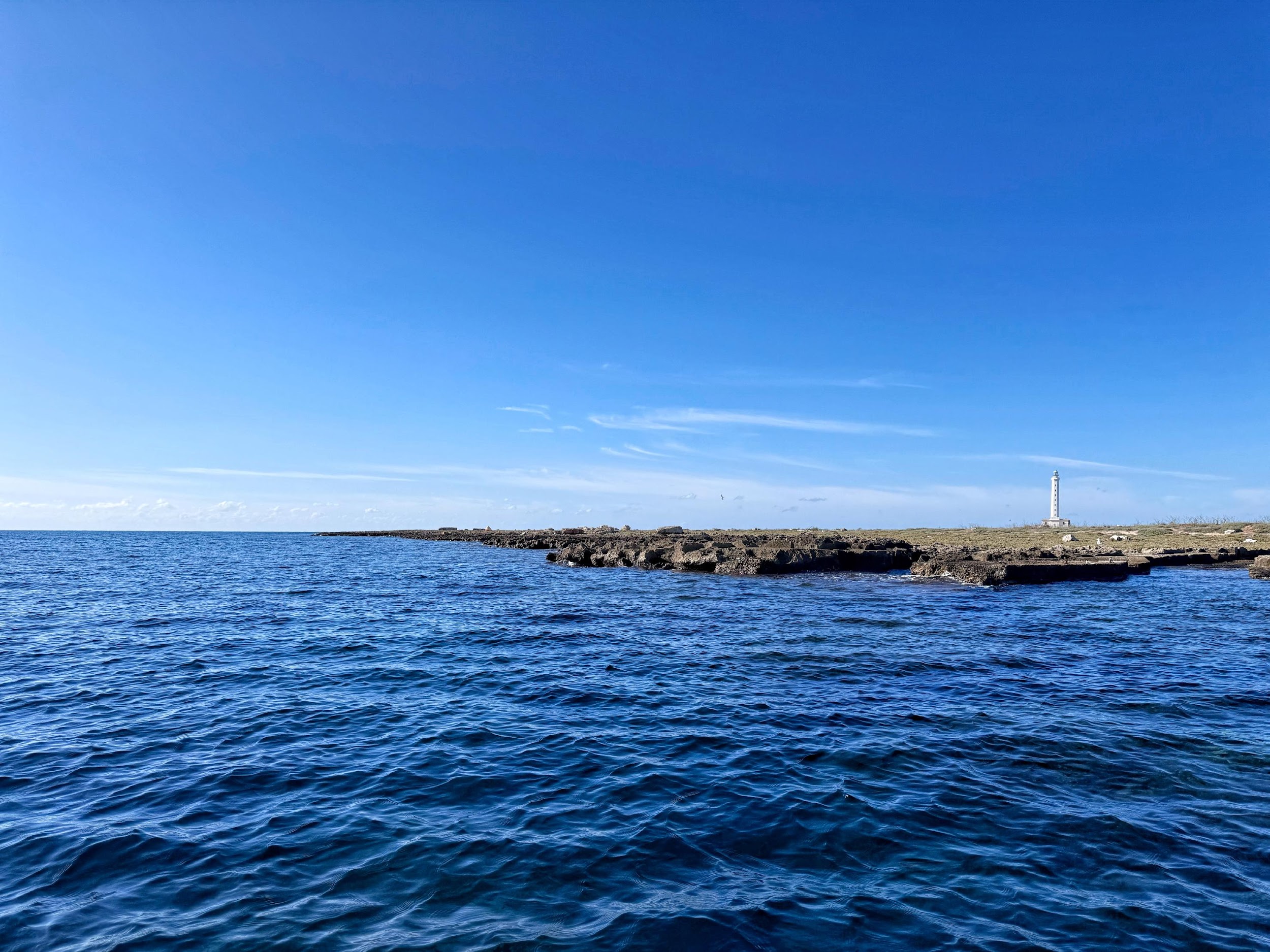
Sant’Andrea Island (Fig. 2) – which preserves an extraordinary natural, historical, environmental, and landscape heritage, has been protected under Regional Law No. 20 of 2006 – officially designating it as a protected natural area within the Sant’Andrea Island and Punta Pizzo Regional Natural Park. The island is therefore located within a territorial context characterized by a rapidly expanding tourism model. Moreover, its ecosystemic and geological features – including its low elevation, which makes it particularly vulnerable to marine weather conditions and coastal erosion, its fragile terrestrial and marine ecosystem, and its role as a transit site for various migratory species – contribute to its high environmental vulnerability, particularly concerning the anthropogenic impact caused by visitors. As a result, strict regulations on docking and landing have been enforced by maritime authorities. Boat landings and anchoring in the surrounding waters are currently prohibited under a maritime authority ordinance, which only allows visits to the island through guided excursions organized by Legambiente — Circolo di Gallipoli.
The island, due to its landscape significance, has already been subject to protective regulations and has been recognized by the EU Directive “Natura 2000 Network” as a natural habitat of community importance. It represents a fragment of coastline that has remained isolated from the mainland, preserving the biodiversity typical of coastal environments to such an extent that it serves as a landing site for significant migratory bird flows. The island hosts various habitat types in its emerged areas, ranging from rocky shores to salt meadows. The low cliffs are characterized by the presence of Limonium (sea lavender), while the lower, softer inland areas support a Salicornia (glasswort) population consisting of four different species. From a geological perspective, the island is composed of calcarenite, which progressively sinks into an underlying clay bed; this suggests that its separation from the mainland occurred relatively recently. A particularly noteworthy feature is the brackish lagoon, which, due to its depth, size, and unique salinity, physical, and temperature characteristics, supports various species of higher aquatic plants and functions as a nursery for biodiversity. Additionally, the island contains elements of continental flora, largely resulting from human presence and livestock farming in the past, when it was still inhabited.
From an archaeological perspective, the island holds significant importance. Its ancient toponym, Achtotus, meaning “arid land,” was later replaced by Sant’Andrea during the Byzantine era, when a chapel dedicated to the saint was built. For centuries, the island served as a loading station and storage site for goods, a function it has fulfilled since antiquity. This is evidenced by the remains of a Final Bronze Age settlement and numerous scattered Roman artifacts, although these are not part of well-structured remains.
In later periods, and up until the early 20th century, the island was used as pastureland. The inhabitants of Gallipoli transported their livestock to the island by boat, a practice likely enabled by the presence of a freshwater source located in the northern part of the island.
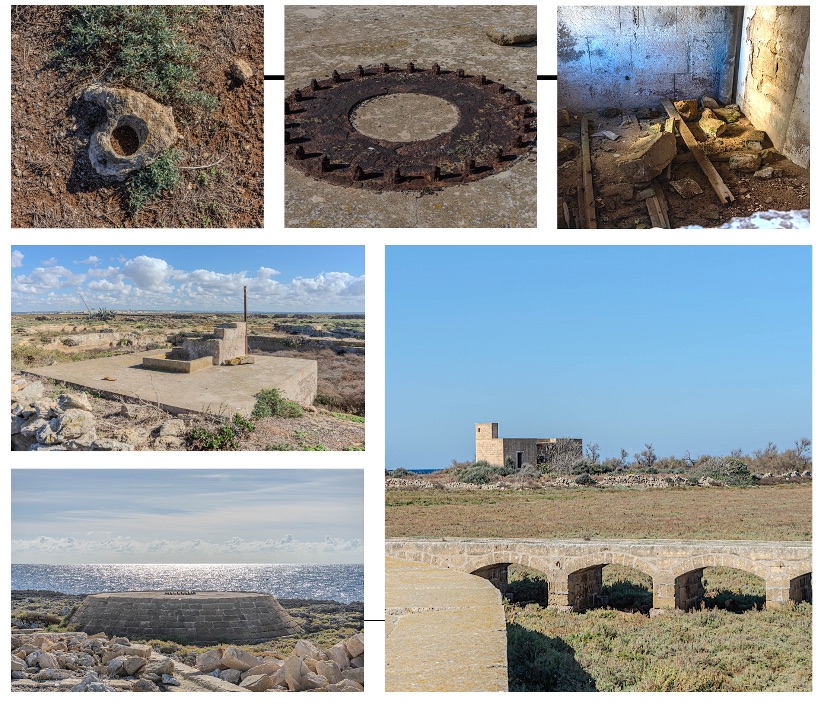
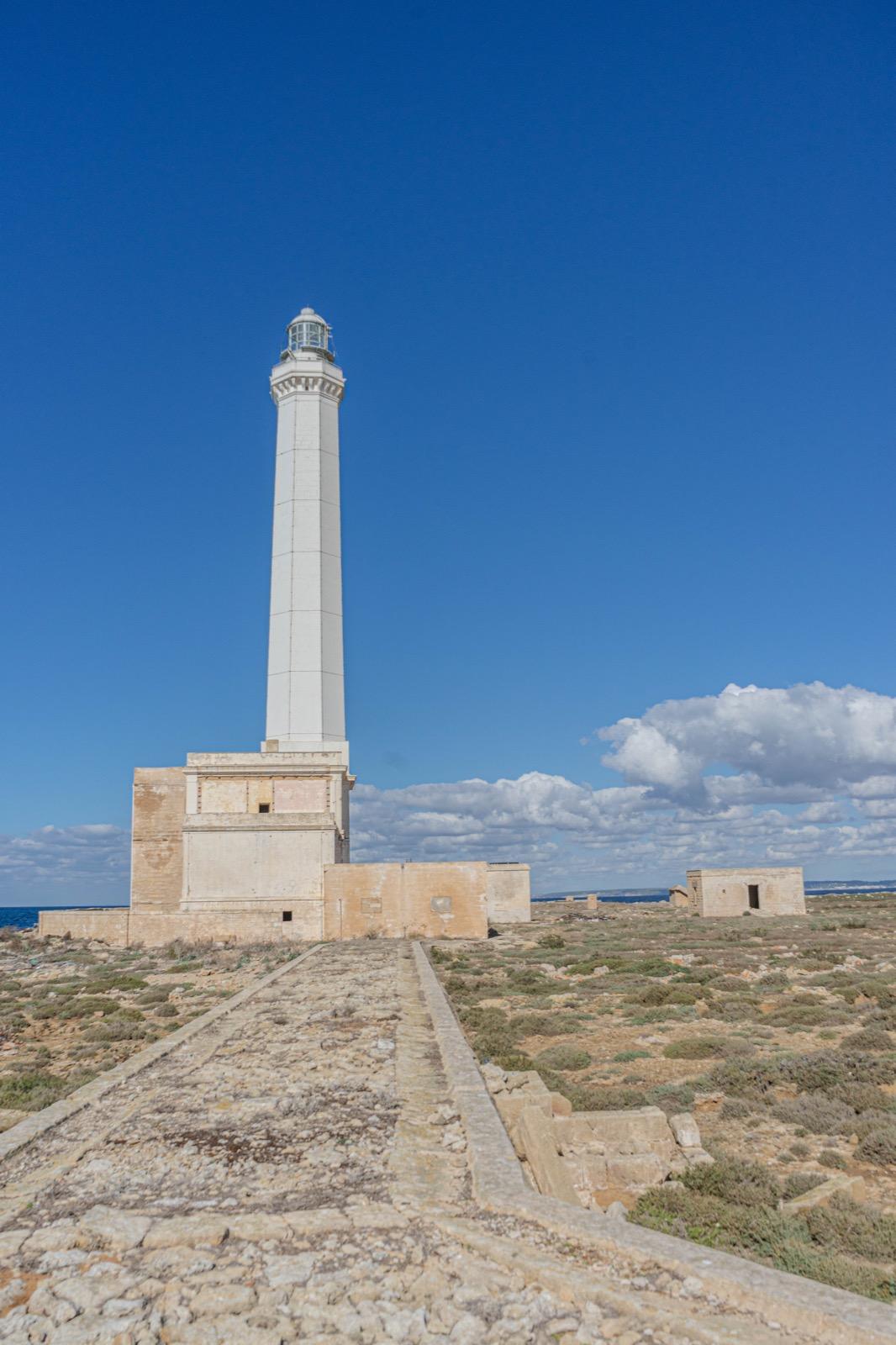
Among the most significant structures on the island are civil and military buildings, quarries, the remains of what were likely storage facilities (Fig. 3), and the large lighthouse (Fig. 4), which was built in 1866 and has been continuously operational ever since. Today, the lighthouse has a range of nearly 20 nautical miles. In 1997, following a decree issued by the Prime Minister’s Office in conjunction with the Finance Law, Sant’Andrea Island was included in a list of assets prepared by the Ministry of Defense, designating it for sale to private entities. However, in 2000, representatives from local social movements and environmental associations in Gallipoli and the broader Salento region petitioned the Lecce Court, successfully obtaining the revocation of the sale order for Sant’Andrea Island.
As indicated in the faunal section of the regulations included in the Territorial Plan of the Sant’Andrea Island and Punta Pizzo Regional Natural Park, the island is environmentally significant as one of the most important nesting sites for the Audouin’s gull (Ichthyaetus audouinii) in the Mediterranean. The current protective regulations for these colonies have made the island a key crossroads for gull populations migrating from the East and the Near Atlantic, providing them with genetic diversity essential for the survival of the species (Fig. 5).
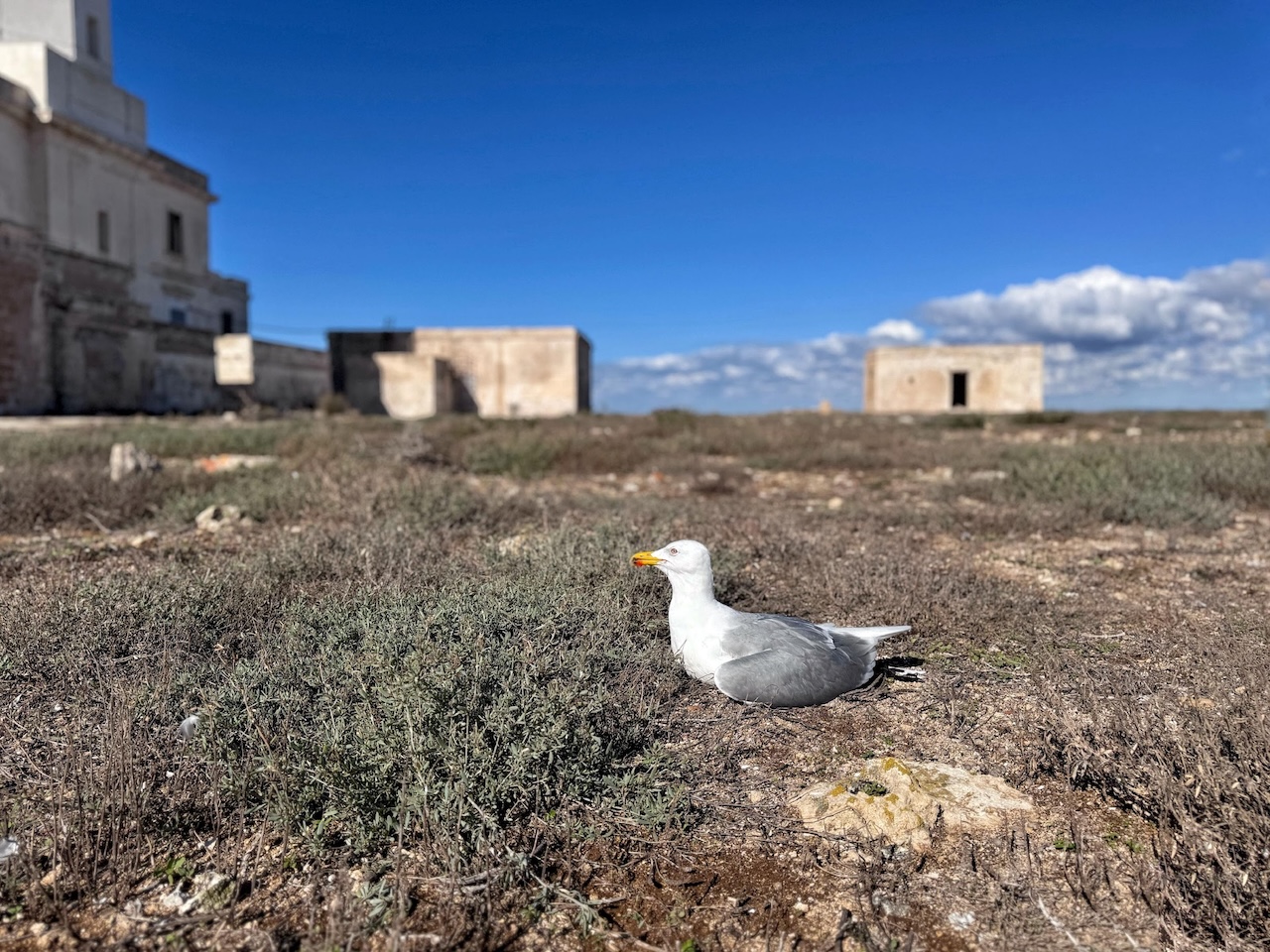
The Audouin’s gull is not the only bird species linked to this island. The yellow-legged gull (Larus michahellis) is also present in large colonies, along with flocks of small migratory birds that use the island as their main landing site in Italy after crossing various migration corridors, primarily from Africa. Overall, the island supports the survival of over 150 transient bird species, ranging from tiny passerines to herons and raptors. It is not an overstatement to suggest that this fragile equilibrium exists precisely due to the absence of human presence, making the island a natural barometer of climate change. The island is affected not only by temperature shifts but also, and more critically, by sea level fluctuations, as at least one-third of its surface lies within the tidal range. As a result, both its perimeter and fundamental physicochemical parameters are in constant flux. This unique condition allows the island to serve as a precise gauge of sea level changes, establishing it as an exceptional environmental indicator. The same applies to pollution levels: due to its distance from the mainland, the island has a significantly lower accumulation of pollutants, such as microparticles and other terrestrial contaminants. As a result, it serves as an excellent theoretical baseline (zero level) for comparing pollution levels on the mainland. In fact, the island’s pollution levels, being far from major sources of contamination, reflect conditions from several decades ago, making it a valuable reference point for assessing long-term environmental changes.
For all these reasons, Sant’Andrea Island represents a valuable case study for both monitoring the impact of climate change on small island territories and governance strategies. As a highly vulnerable site, it requires a set of targeted strategies aimed at preserving and enhancing its rich natural and historical heritage. These efforts must be synergistically integrated with awareness-raising initiatives directed at both the local community and visitors, ensuring a sustainable and informed approach to its conservation.
Research Method
The geographical film A nostalgia te r’isula is the result of field research aimed at promoting knowledge of Sant’Andrea Island in Gallipoli and its historical-cultural heritage, drawing from the everyday life stories of its last inhabitants.
The research began with a preliminary documentation phase on the island and its history, which involved reviewing existing literature – mainly historical and naturalistic studies (Desantis, 2008; Gabellone, 2008; Santia, Corrado, (2016) – and consulting archival documents from the Italian Navy, housed in the Arsenal Archive of Taranto (Italy). This initial desk research was instrumental in designing the content of qualitative interviews, which were conducted with representatives from the management body of the Sant’Andrea Island and Punta Pizzo Regional Natural Park, as well as local institutions and the Legambiente association. These interviews primarily focused on the regulatory and management aspects of the protected area. A total of six semi-structured interviews were conducted, highlighting the following key themes: a) the need to protect the island from environmental risks associated with climate change and its impact on the biosphere; b) the importance of regulating the high-season tourist flows, which could lead to uncontrolled landings on the island; c) the need to enhance local awareness of the island, particularly among the younger generations, who, due to the landing restrictions, have been unable to develop a direct experience of the site.
After gathering this preliminary information, the design of the visual filmic research was developed. The oral history collection method selected was the narrative interview model proposed by Atkinson (1998), which is particularly useful for collecting autobiographical material (whether a full life story or the account of a specific experience related to the place). These narratives emerged through dialogue-based conversations between the interviewees and myself, generating life stories rooted in shared experiences and personal memories.
The narrative interviews were conducted and filmed on-site, following an experience-centered and place-based approach. The key informants interviewed were the last inhabitants of the island: two brothers from the family that previously managed the offshore lighthouse before automation was introduced. They recounted their daily life on the island, describing fishing, farming, and livestock-raising practices, as well as the social dynamics within the small community of about thirty residents. Their narratives illustrated how the island functioned as a self-sufficient microcosm, shaped by sharing and social interactions, despite being just a few miles from the city.
This work is inspired by the methodological arc proposed by Kwan (2008), “from oral histories to visual narratives”, and aims to generate new narratives from the island to challenge and reconsider the dominant imaginary. As Baldacchino (2007, p. 6) points out, islands have long and unjustly been perceived as “terrae nullius, empty spaces, waiting, wanting, to be possessed”; isolated and marginalized landmasses from which the rest of the world is observed, the elsewhere imagined, and the distant land beyond the sea envisioned. Islands have historically activated imaginative processes that link insularity to the broader network of lives inhabiting the mainland, questioning the ways in which isolation and connection shape geographical and social perceptions.
Yet, thematizing an island, reconstructing its history, and ensuring its intergenerational transmission also serves as an act of resistance against the increasingly widespread phenomena of territorial homogenization and the loss of a sense of place. As Baldacchino highlights, those who speak about islands are often not islanders themselves. This has led to the proliferation of a narrative of vulnerability, desolation, and isolation, which fails to account for the complexity of insular territories and the life trajectories they sustain. As a result, knowledge about islands is frequently shaped by external perspectives, dominated by those who observe them from the outside; in other words, a hetero-directed gaze that imposes its own interpretative frameworks (Pollice, 2022).
This research seeks to challenge this imposed narrative, instead entrusting the storytelling of the island to those who have experienced it in their daily lives. These individuals, as the last custodians of an oral heritage of stories from and about the island, provide an alternative, firsthand perspective that preserves and reclaims the island’s lived history. After presenting the objectives of my research to the local authorities responsible for monitoring landings – namely, the Municipality of Gallipoli and the Office of the Sant’Andrea Island and Punta Pizzo Regional Natural Park – I obtained authorization to reach the island aboard a Legambiente — Circolo di Gallipoli vessel and to land there alongside the key informants for the filming of the documentary (Fig. 6).
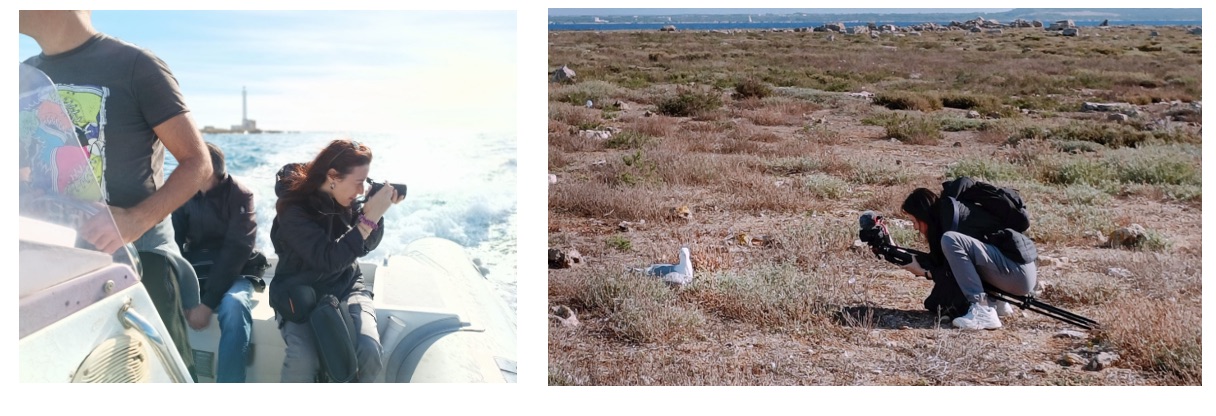
Among the members of the research team was Maurizio Manna, President of Legambiente — Circolo di Gallipoli, who, upon arrival on the island, provided an assessment of the condition of certain natural sediments at risk due to climate change and pollution. Additionally, the poor health condition of several gulls was immediately evident. Some birds were affected by bacterial or viral infections, likely caused by the ingestion of human waste or contaminated debris. The infected gulls were rescued during the filming and transported to the Wildlife Rescue Center in Calimera, approximately forty kilometers from Gallipoli. This center specializes in the treatment, rehabilitation, and reintroduction of injured, sick, or distressed wild animals into their natural habitat.
I visually documented all these events through photographs and video recordings, serving as evidence of the virtuous conservation practices regularly implemented by the organizations responsible for the protection of the island’s fauna and flora (Fig. 7).
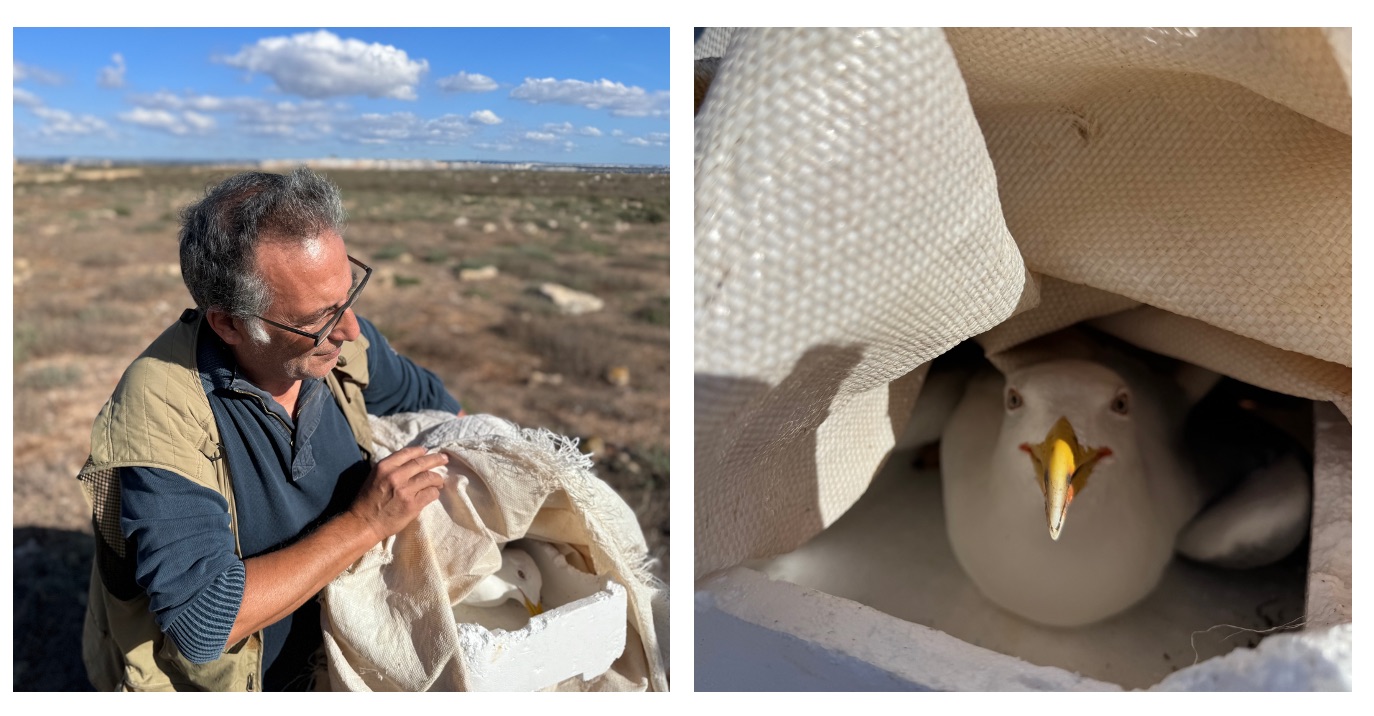
In addition to the representative from Legambiente - Circolo di Gallipoli, the key informants, Giacinto and Cosimo Giungato, were also present. The two brothers, the youngest of twelve siblings (some of whom have passed away, while others are now elderly), had not set foot on the island since the 1970s. Their last visit occurred on the day their father, following the automation of the lighthouse, was reassigned to public service in the city of Gallipoli, marking the end of his role as the island’s caretaker. The two brothers requested to be accompanied by one of their sons, both to help them navigate the emotional impact of returning to the island and to offer the younger generation the opportunity to visit this significant place.
Landing on the island was an intensely emotional moment. I made a conscious effort to remain unobtrusive, ensuring that my presence would not interfere with their experience of returning to the landscapes of their childhood and youth. I initially followed their journey at a distance, observing without intervention. Only after they had taken their first solitary steps and seemed ready, did I ask whether they were prepared to recount their lives on the island and whether I could film their faces and stories (Fig. 8).
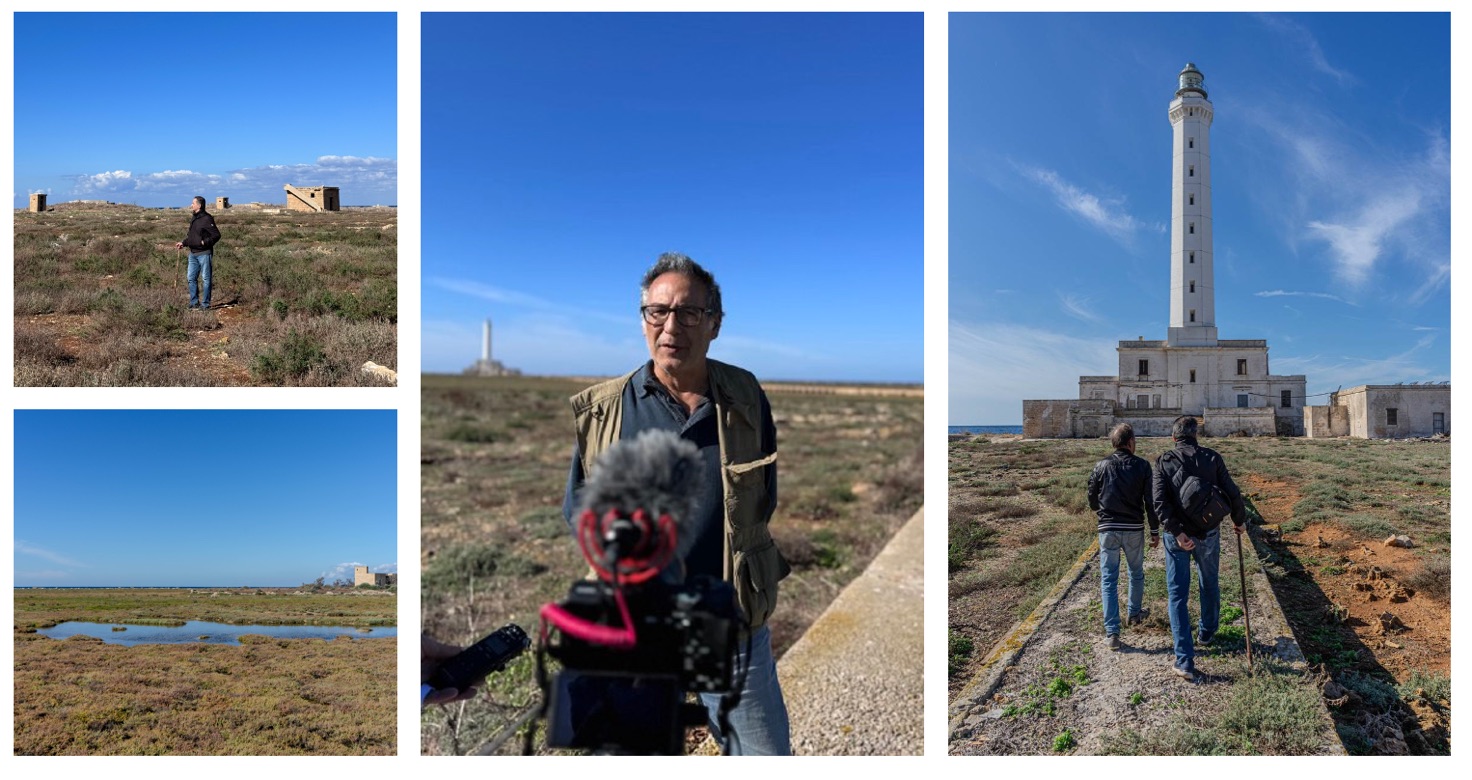
The key informants were fully informed from the outset about the objectives and methodology of my research. I had communicated my intent to recover and document their oral histories in order to challenge the dominant contemporary perception of Sant’Andrea Island, which views it merely as a desolate, uninhabited landmass, closed off to the public. In contrast, decades ago, Sant’Andrea Island was inhabited and home to a diligent, organized community engaged in fishing, agriculture, and livestock farming.
With their consent, I filmed their narratives, eliciting their stories through prompt questions, in alignment with the narrative interview model proposed by Atkinson (1998). The stimulus questions used during the interviews can be categorized as shown in Table 2.
| Open-Ended Narrative Questions | I invite you to freely share your story |
|---|---|
| Evocative-Autobiographical Questions |
Can you tell me why this place is important to you? Can you share a memory you have of this place? Can you describe what you used to do here? |
| Reflective and Meta-Reflective Questions |
How did you feel returning here? Is there anything you think I should have asked or done but didn’t? In your opinion, what is the significance of this work? |
Hahn (2000) suggests that biography serves as both a framework for elaboration (by the interviewees) and a means of observation (by the researcher) of the various forms that a process of (self)representation can take. This is a particularly complex aspect, as working with biographies inherently means working with lives – given that biographical narratives function as subjective devices of sense-making (Schütze, 1983). The biographical structure is thus a narrative form of (self)production of meaning, (self)recognition, and (self)legitimation, both for individuals and groups. It is crucial to keep this in mind when conducting narrative research using life stories. Equally important is maintaining a reflective attitude, which helps us to critically assess whether – and how – we may be interfering with the research process, and to remain aware of our role as researchers working with complex and powerful tools, such as personal narratives (Alheit, 2018).
In my case, the research focused on family narratives. After all, the family is the quintessential space of storytelling, a site where narratives bind together its members across generations. Family narratives, in this sense, serve as small identity matrices (White, 1980), capable of weaving a network of interpersonal and intertextual relationships through which meanings and values are created.
Stone (1988) suggests that every individual carries family stories “under the skin”, sometimes as a source of pleasure, other times as a painful tattoo. These stories hold significance not necessarily for their narrative quality, but because they constitute a repertoire of available plots that shape how people relate to one another and to the world (Dallos, 1997).
Such narrative threads are transmitted through family memories, which are never mere neutral reproductions of the past, but rather narrative constructions shaped by specific interpretations and reconstructions. This narrative heritage plays a fundamental role in intergenerational cultural transmission, fostering self-recognition, the actualization of memory, formative reflection, and awareness of one’s actions. These reflections helped me understand my role in the narrative process as one of active listening and co-construction (Bertaux, 1981). This meant becoming aware of certain forms of co-responsibility in shaping the story; after all, it was the narrative of a family, one that carried a distinct familial lexicon and a specific configuration of gender roles: fathers and brothers on one side, mothers and sisters on the other.
The process also involved daily domestic practices, stories passed down through generations, unspoken secrets, and questions that had remained unanswered. Recognizing this allowed me to navigate the delicate interplay between personal memory, cultural transmission, and the relational dynamics embedded in family storytelling. From a geographical perspective, it was particularly interesting to observe the deep symbiosis between the interviewees and the island, where every location seemed to evoke new memories and stories.
The key informants expressed a strong desire to assess the current state of the domestic spaces they once inhabited, revisiting everyday practices related to food preparation, animal care, and boat trips to Gallipoli for provisions.
These journeys between the island and the mainland required extensive knowledge of winds and currents, as weather conditions frequently prevented travel, forcing the small community to adapt and make do with the limited food supplies available. This dependency on natural elements further highlighted the islanders’ resilience and their profoundly place-based way of life.
I filmed the narratives while simultaneously recording them on digital devices to ensure additional documentation. Throughout the process, I took field notes on recurring themes (nostalgia, agricultural and livestock practices, fishing, the solidarity-based relationships within the community, and the challenges of living far from the city.) Toward the end of the interviews, I asked the participants to reflect on what Sant’Andrea Island means to them today. I also inquired whether the residents of Gallipoli still recognize them as “the children of the island’s lighthouse keeper” and whether they are ever asked to share stories about their past life on the island.
Additionally, I explored whether local institutions or tourism organizations had ever involved them in initiatives to promote the island’s heritage. I asked if they had been invited to schools or community associations to share their experiences with younger generations, helping to preserve and transmit the memory of Sant’Andrea Island. The responses were highly significant, as they revealed a lack of public attention to the human dimension of habitation and the territorialization processes once shaped by the small community on the island.
What emerged most clearly is that Sant’Andrea Island is predominantly associated with biodiversity, natural landscapes, and the island’s flora and fauna (all crucial themes) but its history as a lived, inhabited, and productive territory remains largely unknown. The interviewees mentioned that they had previously been contacted by RAI Radiotelevisione Italiana to participate in the filming of Linea Blu and Sereno Variabile, two cultural television programs focused on promoting awareness of maritime culture, the environment, and Italian landscapes. However, beyond these isolated instances of media interest, there has been no structured effort to recognize or engage with this local narrative heritage.
Such stories, memories, and testimonies could serve as valuable archival resources for the community, preserving firsthand accounts of life on the island. This lack of recognition is even more striking given that the interviewees possess a rich collection of photographs, which could significantly contribute to a geo-historical study of the island’s landscape transformations over time.
Findings
Sant’Andrea Island is predominantly narrated through the lens of its extraordinary natural beauty, its solitary lighthouse, and its role as a sanctuary for wildlife. And rightly so – its pristine landscape deserves both attention and protection. However, this dominant narrative often overlooks a crucial dimension: its past as a lived and inhabited space. Until just a few decades ago, the island was cultivated, inhabited, and actively integrated into the daily life of Gallipoli’s coastal community. The oral histories collected during this research – primarily from the last remaining family with direct experience of island life – offer a rare and invaluable window into this overlooked human past.
Through narrative interviews conducted on-site, five core thematic insights emerged:
- memory and nostalgia as narrative and planning resources: the interviewees expressed a deep and complex nostalgia, not as a regressive longing, but as a powerful narrative lens through which to reflect on belonging, place attachment, and the sensibilities formed through daily interactions with the island. These memories, far from being purely emotional, carry heuristic and planning potential, offering alternative visions for understanding and re-engaging with small, currently uninhabited islands.
- the island as a self-sufficient microcosm: oral accounts reconstruct the island as a resilient, autonomous microcosm. Life on Sant’Andrea was shaped by subsistence activities – fishing, livestock farming, cultivation – and by a strong sense of solidarity. Although geographically close to the mainland, the island functioned as a distinct socio-spatial entity. These testimonies reveal a way of life rooted in environmental rhythms, where knowledge of winds, tides, and seasons was essential to survival and mobility.
- invisibility of the human dimension in contemporary narrative: a recurring theme was the near-total erasure of the island’s social and cultural history from institutional and public discourse. While Sant’Andrea is widely known for its biodiversity and landscape value, its identity as a once-inhabited place remains largely unrecognized. The former residents, many of whom are now elderly, hold memories that are at risk of being lost, along with the photographs, objects, and intangible heritage that could help reconstruct a more complex and inclusive history of the island.
- challenges of access and translation into collective heritage: the research encountered several methodological and ethical challenges. Given the age and limited number of surviving informants, the project required time, patience, and a careful ethnographic approach. Memory itself was sometimes fragmented by temporal distance and emotional reticence. Narrative interviews, supported by mnemonic stimulation (e.g., archival images, personal objects), were essential in reactivating and deepening recollections. Translating these into a shared and accessible form of narrative heritage – through the documentary A nostalgia te r’isula – became a crucial goal: to reposition lived experience within a collective and public dimension without falling into nostalgia or romanticization.
- integrating oral history with environmental conservation: the presence of Legambiente operators during fieldwork raised an important question: how can the historical memory of the island’s inhabitants be reconciled with contemporary conservation priorities? The study shows that these dimensions are not only compatible but mutually reinforcing. Recognizing the island’s human past adds value to its ecological preservation by framing it as a cultural landscape, where nature and memory co-exist. This integrated approach may support more inclusive and place-sensitive strategies for managing small island territories.
Ultimately, the findings highlight the potential of oral and visual narratives not only to recover overlooked histories, but also to reshape the ways in which islands like Sant’Andrea are understood, planned, and experienced. Telling the story of the island solely through its natural assets risks leaving part of its identity untold. Instead, giving voice to those who lived there allows us to reconstruct a richer, more layered narrative, one that intertwines nature, human experience, and cultural memory, and invites both scholars and communities to reimagine the island’s future as much as its past.
Conclusions
Although this study focuses on the highly specific case of Sant’Andrea Island, many of the insights that emerged – particularly those related to memory, place attachment, and the tensions between conservation and lived heritage – resonate with dynamics observed in other small insular contexts, both in the Mediterranean and globally. In several Mediterranean islands such as Lampedusa (Zecchi, 2020), Capraia (Dallari & Mariotti, 2012), Ithaca (Karampela, Kizos & Spilanis, 2016) or Leros (Koutsi & Stratigea), the progressive depopulation of once-active communities, often followed by processes of environmental protection, has led to a partial erasure of the islands’ socio-cultural histories in public discourse. Similar to Sant’Andrea, these territories are increasingly framed through narratives of natural value, while their past as inhabited and productive spaces becomes peripheral or lost.
Furthermore, in many small island contexts – such as the smaller Dalmatian islands in Croatia (Kovačić, 2018) – there is a growing interest in reactivating local heritage through oral history, visual ethnography, and community-based storytelling. These practices are increasingly recognized as tools for fostering place-based resilience, intergenerational dialogue, and inclusive forms of territorial governance. The theoretical reflections developed in this study thus intersect with a broader body of island studies concerned with the challenge of balancing ecological vulnerability with cultural visibility.
By engaging with this wider comparative frame, the case of Sant’Andrea contributes to an emerging geography of small islands as sites of layered identity – spaces where environmental preservation, memory, and belonging intersect. This suggests the broader relevance of adopting narrative and participatory approaches not only as methods of inquiry, but as instruments for reintegrating human presence into the future of insular landscapes.
These heterogeneous experiences – diverse in their theoretical aims, methods, and practices –demonstrate that through personal stories and narratives, it is possible to investigate how different subjectivities construct and interpret various aspects of social reality (Czarniawska, 2004). As symbolic devices of mediation, narratives do not merely describe reality; rather, they reconfigure it, imbuing it with meaning and value. They position events within a continuum of sense-making that connects past, present, and future, thereby shaping new perceptions, representations, and ways of inhabiting space – both for individuals and for communities. The research carried out, in addition to serving as a field of experimentation for narrative and visual practices, has raised broader questions concerning the future of Sant’Andrea Island and the potential strategies for enhancing its tangible and intangible heritage.
I have already shared these reflections in a series of meetings with local associations and institutions, and I hope to continue disseminating them within universities and schools at all levels, as well as through public screenings, cultural associations, museums, observatories, research institutes, and local libraries. More broadly, this work aims to contribute to discussions in any space where there is interest in exploring strategies for fostering a public geography (one that actively engages with communities and territories, ensuring that their stories, landscapes, and identities remain visible and valued).
Indeed, the collection of life stories was not merely an exercise in recovering the past, but also an opportunity to reflect on how these memories can inform new ways of engaging with and planning the insular territory. The goal is to ensure that the island’s cultural heritage is not merely confined to memory, but instead becomes an active part of its future, shaping strategies for its sustainable appreciation and preservation. In this sense, the research did not merely aim to reconstruct historical knowledge, but also to provide the territory and its stakeholders with an invitation to reflect on the most effective strategies for enhancing and disseminating a deeper and more multifaceted understanding of the island.
Sant’Andrea Island is not only a reservoir of biodiversity; it is also a repository of social and cultural values, many of which remain largely unexplored. Understanding its history through the voices of those who once inhabited it can broaden the ways in which the island is experienced today and help shape a future that goes beyond environmental conservation, one that also reconnects with its rich and compelling past as a lived and inhabited place.
The outcome I aimed to achieve was not a film about the island, but rather a film from the island – one that does not claim to offer a definitive statement about it, but instead becomes part of a narrative as open as possible.
I envisioned the identities (in the plural!) of Sant’Andrea Island as the pieces of a mosaic, and I hope that this film will be one of those pieces, contributing to a broader, multifaceted understanding of the island’s past, present, and future.
Acknowledgments
I would like to express my sincere gratitude to Mr. Giacinto and Mr. Cosimo Giungato for generously sharing their invaluable family memories, which have provided a crucial contribution to my research on Sant’Andrea Island. Their availability and deep connection to the island’s history have significantly enriched my work.
A special thanks also goes to the Legambiente — Circolo di Gallipoli, whose expertise and dedication guided me through the field surveys and filming, offering insightful explanations of the island’s extraordinary natural and environmental heritage. Their commitment to preserving this unique site is truly inspiring and deserves the highest recognition.
References
- Alexopoulos, A. B., Karris, G., Kokkali, A., 2013. Sustainable research and development of the small uninhabited islands: The case of Ionian Oinousses. Global Nest Journal, 15:111-120.
- Alheit, P. (2018). The concept of “biographicity” as background theory of lifelong learning? Dyskursy Młodych Andragogów/Adult Education Discourses, 19: 9-22.
- Atkinson, R., 1998. The life story interview. Qualitative Research Methods Series, 44. Thousand Oaks, CA: Sage.
- Baldacchino, G., 2007. Introducing a World of Islands, in: Baldacchino G., (ed.), A World of Islands: An Island Studies Reader, Charlottetown, Canada and Luqa, Malta, Institute of Island Studies and Agenda: 1-29.
- Bamberg, M., 2006. Biographic-narrative research, quo vadis? A critical review of ‘big stories’ from the perspective of small stories. Narrative, memory & knowledge: Representations, aesthetics, contexts, Huddersfield, UK: University of Huddersfield: 63-79.
- Baptiste, A. K., 2016. Can a research film be considered a stand-alone academic publication? An assessment of the film “Climate change, voices of the vulnerable: The fishers’ plight”. Area, 48(4): 463-471.
- Baptiste, A. K., 2012. Using film to explore climate change perceptions. Geographies of Media, 7, Visualising the Visceral I, Film as a Research Output. New York.
- Bertaux, D., 1981. Biography and society: The life history approach in the social sciences. Londra, UK: Sage.
- Bignante, E., 2011. Geografia e ricerca visuale. Laterza, Rome-Bari
- Bissell, D., 2009. Visualizing everyday geographies: Practices of vision through travel-time. Transactions of the Institute of British Geographers, 34: 42-60.
- Bonnett, A., 2015. The geography of nostalgia: Global and local perspectives on modernity and loss. Routledge.
- Boym, S. 2001. The future of nostalgia, Basic Books, New York.
- Cardillo, M. C., Cavallo F. L., Gallia A., Malatesta S. (Eds.), 2021. Isole, turismo e ambiente: tra conflitti, modelli e opportunità. Geotema, XXV, 67.
- Czarniawska, B., 2004. Narratives in social science research. Sage, London.
- Dallari, F. & Mariotti, A., 2012. Turismo e sviluppo locale nelle piccole isole: il caso di Capraia. Rivista Geografica Italiana, 119(4): 589-610.
- Dallos, R., 1997. Interacting Stories. Narratives, Family Beliefs, and Therapy. Karcan Book, London.
- Desantis, V., 2008. Gallipoli (Lecce), Isola di Sant’Andrea (F214 III SO IGM). TARAS: 173-178.
- Dudley, N. (Eds) (2008). Guidelines for Applying Protected Area Management Categories. IUCN, Gland, Switzerland.
- Duvat, V. K.E., Magnan A. K., Wise R. M., Hay J. E., Fazey I., Jochen H., Stojanovic T., Yamano H., Ballu V., 2017. Trajectories of exposure and vulnerability of small islands to climate change. Wiley Interdisciplinary Reviews: Climate Change, 8(6), e478.
- Gabellone, F., 2008. I fari di Otranto, Gallipoli e San Cataldo: problemi di conoscenza, valorizzazione e fruizione. Patrimonio industriale marittimo in Terra d’Otranto: l’Arsenale militare di Taranto, i porti e i fari. (Interadria, 8: 143-151.
- Hahn, A., 1982. Zur Soziologie der Beichte und anderer Formen institutionalisierter Bekenntnisse. Selbstthematisierung und Zivilisationsprozeß. Kölner Zeitschrift fur Soziologie und Sozialpsychologie, 34: 408-434.
- Karampela, S., Kizos, T., & Spilanis, I., 2016. Sustainable local development on Greek small islands: the interplay between the landscape and tourism. Sustainability, 8(3), 285.
- Kitson, J., McHugh, K., 2015. Historic enchantments–materializing nostalgia. Cultural Geographies, 22(3): 487-508.
- Koutsi, D. & Stratigea, A., 2019. Unburying Hidden Land and Maritime Cultural Potential of Small Islands in the Mediterranean for Tracking Heritage-Led Local Development Paths. Heritage, 2(1): 938-966.
- Kova, M., Favro, S., & Gržeti, Z., 2012. Proposal of socio-economic model of development of small, periodically inhabited and uninhabited Croatian islands. WIT Transactions on Ecology and the Environment, 166: 143-154.
- Kovačić, M., 2018. In the name of heritage: transformation of small Dalmatian islands and the politics of memory. Ethnologia Balkanica, 21: 111-130.
- Kwan, M. P., 2008. From oral histories to visual narratives: Re-presenting the post-September 11 experiences of the Muslim women in the USA. Social & Cultural Geography, 9(6): 653-669.
- Lorimer, H., 2003. Telling Small Stories: Spaces of Knowledge and the Practice of Geography. Transactions of the Institute of British Geographers, 28(2): 197-217.
- Nagar, R., 1997. Exploring methodological borderlands through oral narratives. Thresholds in feminist geography: 203-24.
- Nora, P., 1989. Between memory and history: les lieux de mémoire. Representations, 26: 7-25.
- Pollice, F., 2022. Placetelling. Per un approccio geografico applicativo alla narrazione dei luoghi. Geotema, 68: 5-13.
- Puglia Promozione Observatory Office on Istat/Spot (Sistema Puglia per l’Osservatorio Turistico); last access: 12 February 2025
- Rai Play Linea Blu, Gallipoli, https://www.raiplay.it/video/2013/11/Gallipoli---Lineablu-del-09112013-0ccfabab-78bd-4329-9b32-2fd8b5bf7cfb.html; last access: 9 February 2025
- Rai Play Sereno Variabile, Gallipoli, https://www.raiplay.it/video/2013/03/Gallipoli---Sereno-Variabile-553179a5-10a6-4419-8662-1cd3d3fc5d8d.html; last access: 8 February 2025
- Ratter, B. M., 2018. Geography of small islands. Outposts of Globalization, Springer International Publishing AG, Switzerland.
- Riley, M., Harvey, D., 2007. Oral histories, farm practice and uncovering meaning in the countryside. Social & Cultural Geography, 8(3): 391-415.
- Royle, S. A., 2002. Geography of Islands. Routledge, London.
- Santia, M. D., Corrado, A., 2016. Le fortificazioni militari costiere in Terra d’Otranto tra XV e XVI secolo. Defensive Architecture of the Mediterranean XV to XVIII Centuries, 303.
- Schütze, F., 1983. Biographieforschung und narratives Interview. Neue Praxis, Jg. 13, H. 3, S: 283-293.
- Stone, E., 1988. Black Sheep and Kissing Cousins: How our Family Stories shape Us. Times Books, New York.
- Wheeler, R., 2017. Local history as productive nostalgia? Change, continuity and sense of place in rural England. Social & Cultural Geography, 18(4): 466-486.
- White, H., 1980. The Value of Narrative in the Representation of Reality, in: W.J.T. Mitchell (eds.), On Narrative, University of Chicago Press, Chicago: 1-24.
- Zecchi, B., 2020. Lampedusa, storie di frontiera. Donzelli Editore.