
Sustaining Swaki (Sea Urchin): The Role of Fisheries in Panglao, Bohol
 10.21463/jmic.2025.14.2.11
Abstract
Sea urchin collection is a traditional fishing practice among coastal villagers in the Philippines. Beyond providing subsistence, it serves as a crucial source of livelihood and income for these communities. In Bohol, Tripneustes gratilla, locally known as “Swaki,” is the preferred sea urchin species collected due to its gonad or roe. The gathering of sea urchins is rarely documented in the country despite its substantial contribution to the socio-economic well-being of the coastal people. This study employed a descriptive survey method to investigate the “Swaki” fisheries in Panglao, Bohol, with a focus on the demographic profile, collection practices, size structure, and associated environmental concerns. Survey results from 60 collectors revealed that a significant number are from Barangay Doljo, predominantly composed of women and middle-aged individuals. Educational levels vary, with most being high school graduates. Collectors with more than 12 years of experience in “Swaki” gleaning have a total of 68 percent, which emphasizes the long-standing nature of the fisheries in Panglao. Daily collection occurred in seagrass-rich areas, with an estimated 120,000 individuals harvested or an annual extraction volume of about 43.8 million sea urchins. The sampled urchins have a mean test diameter of 61.4 ± 6.3 mm. Crude post-harvest processing is often done onshore. The “Swaki” roe sale provides a daily income of 300-1,000 pesos. Environmental issues include the risk of overharvesting and waste disposal, which impact habitats and water quality. Sustainable management strategies are recommended to preserve this vital livelihood in Panglao, Bohol.
Keywords
“Swaki” fisheries, Tripneustes gratilla, sea urchin, Panglao, Bohol
Introduction
Sea urchins are among the commercially valued commodities in the Indo-Pacific region and have a long history of exploitation in many countries worldwide, including Chile, Japan, and the Philippines (Talaue-McManus & Kesner, 1995). Sea urchins are harvested through gleaning, a small-scale fishing method categorized as a common way for coastal villagers to collect macroinvertebrates for subsistence (Kleiber, 2014).
In the country, Tripneustes gratilla (Linnaeus, 1758) is one of the heavily collected sea urchins (Balisco, 2015); they are harvested primarily for their gonads or roe (Baião et al., 2019). The round-shaped sea urchin has a body surface adorned with a colorful spine and tube feet, which serve for locomotion and defense (Toha et al., 2017). According to Lyimo et al. (2011), this species thrives in various habitats worldwide. Regalado et al. (2011) reported that in the Philippines, T. gratilla inhabits seagrass areas and some algae-dominated areas, including those dominated by Thalassia and Enhalus species, as well as Sargassum spp. They are considered a keystone species due to their role in regulating and preventing the overgrowth of macroalgae in the coral reef and seagrass communities before they become invasive (Casilagan et al., 2013).
Sea urchin fisheries play a vital role in the development of livelihood in many coastal villages along the Northwestern Luzon, Bicol Region, Bolinao, Pangasinan, and Pag-asa Island, Palawan (Ungson, 2004; Balisco, 2015; & Talaue-McManus & Kesner, 1995). Reported income from the sea urchin fishery in Bolinao, Pangasinan alone, at the peak of its fishery in 1989, was estimated at nearly Php. 20 million but declined to Php. 5 million in 3 years as natural populations collapsed (Nieves et al., 2010). It resulted in further loss of livelihood for coastal families.
Subsistence fishing is a common practice in the coastal community of Panglao, particularly in barangay Danao, Poblacion, and Doljo. Coastal folks gleaned sea urchins, specifically the T. gratilla species locally known as “Swaki”. Gleaning or “panginhas” is one of the activities that contribute to the socio-economic well-being of the villagers. The collection of “Swaki” is prevalent on the island; however, the exploitation of this resource is unregulated except if the species are found inside the strict protection zone of the protected area, where gathering and collection activities are prohibited. Despite their socio-economic importance, the practices and impacts of “Swaki” fisheries in Panglao remain undocumented. This study aims to describe the demographics of collectors, harvesting practices, size structure of the catch, and environmental issues to inform sustainable management.
Materials and Methods
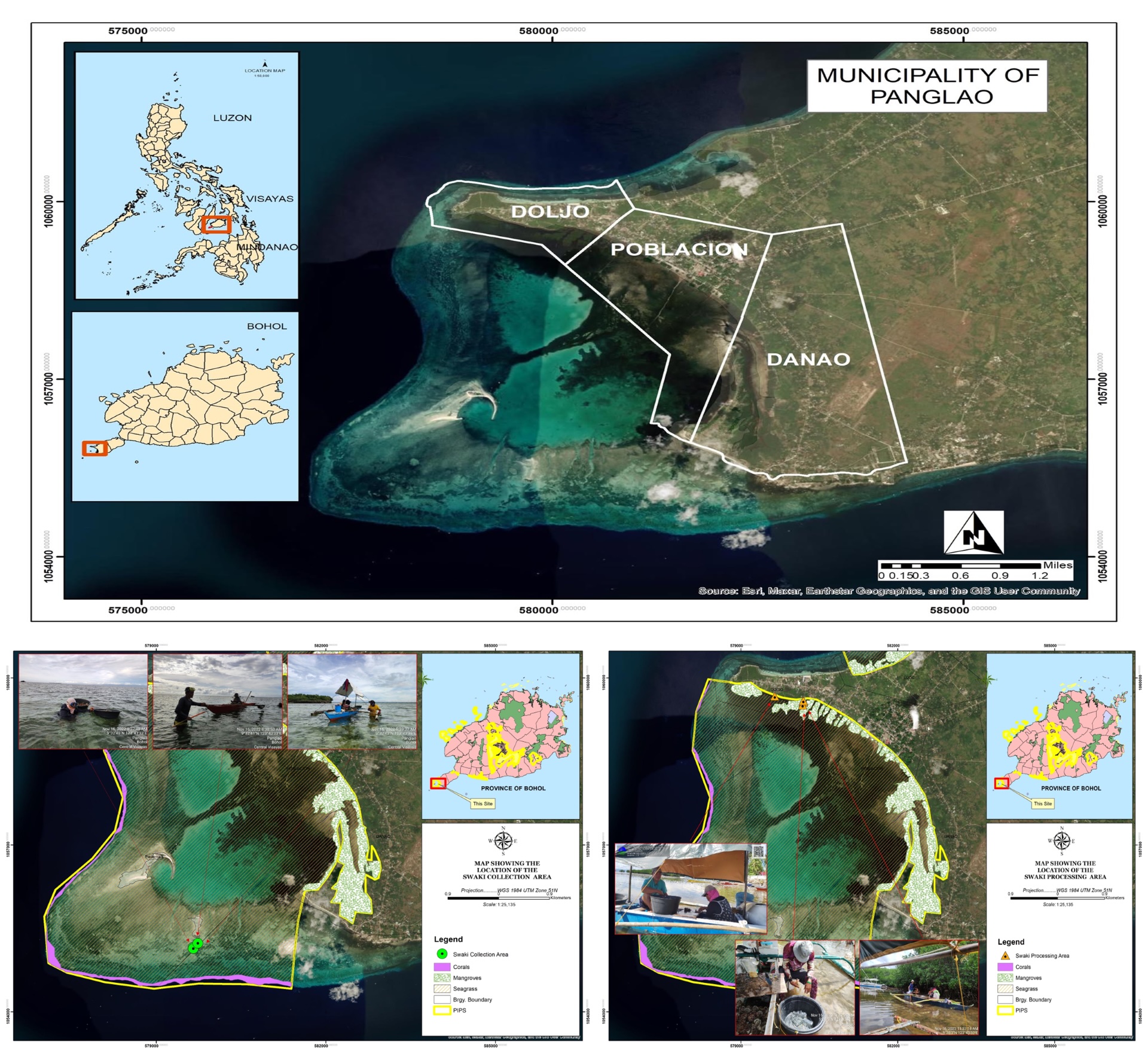
This study was conducted in the Municipality of Panglao, Bohol (9°34'49.41" N, 123°45'8.79" E), covering the barangays of Danao (9°33'31.72" N, 123°45'25.84" E), Poblacion (9°34'41.16" N, 123°44'40.07" E), and Doljo (9°35'15.36" N, 123°43'31.93" E). These three barangays were under the jurisdiction of Panglao Island Protected Seascapes (PIPS), a legislated protected area under Republic Act 11038, known as the “Expanded National Integrated Protected Area System (E-NIPAS) Act of 2018”. The sites were purposively selected due to the high occurrence of villagers who are well-known for their practice of “Swaki” collection.
Before the survey, the study was presented to the Protected Area Management Board (PAMB) during their 4th quarter meeting in 2022, held in Tagbilaran City, for approval and favorable endorsement. Data was collected from October 2022 to April 2023 using a modified questionnaire adapted from the study by Kleiber et al. (2015). A combination of purposive and snowball sampling methods was employed. The primary respondents consisted of sixty (60) “Swaki” collectors who were recognized in the community a regular or active harvesters and were present in the area during the survey. Interviews were conducted mainly at the identified processing areas used by these collectors. To increase the number of participants, the researcher also inquired about additional individuals involved in urchin collection within the barangay. Prior to the data collection, informed consent was obtained from all respondents, and they were assured of the confidentiality and voluntary nature of their participation. The questions include the demographics of the respondents, frequency of collections, catch quantities, and economic gains.
A field visit to the gleaning sites was done to document the gleaning activity and observed the collection process, including the environmental concerns. Different traditional landing sites where the collectors processed their catch were also visited to observe the post-harvest practices of the “Swaki” collectors. Furthermore, the researcher procured sea urchins to determine the size structure of the collected urchin individuals and measured them using the methods described by Lawrence and Agatsuma (2007).
The sample size for diameter measurement was calculated using a 95% confidence level with a 5% margin of error. The data gathered was tabulated using Microsoft Excel. Further, descriptive statistics were used to analyze the data in this study.
Results and Discussion
Profile of the Respondents
Sixty (60) “Swaki” collectors participated in this study. The results showed that the respondents are primarily residents of Barangay Doljo (83%), with 10% and 7% from Barangay Danao and Barangay Poblacion, respectively. The majority of the collectors are female (63%), while the rest are male (37%) (Table 1). Notably, women dominated the “Swaki” fisheries in Panglao. The result is similar to that of Grantham et al. (2020), in which women are actively involved in this type of fishery activity. Furthermore, the results suggest that women played a vital role in the “Swaki” fisheries in Panglao and significantly contributed to providing income for their families.
The respondents comprised individuals within the age group of 41 to 50 (28%), while 27% were aged 31 to 40 years old. Young collectors aged 21-30 and those under 20 comprised 13% and 2%, respectively. The figures suggest that the “Swaki” collectors are mainly middle-aged individuals (31 to 50 years old). This age range is similarly recorded among the gleaners in the study of Norte-Campos et al. (2006). This observation may be attributed to the maturity and responsibility of individuals in this age bracket, as suggested by Segismundo & Navarro (2006), who actively seek ways to enhance their living standards. Furthermore, the survey presented a significant number of elderly individuals within the age range of 60 years old and above, with a percentage share of 15%. The result aligns with the findings of Tamti et al. (2023), suggesting that sea urchin fisheries may be a potential source of support for older individuals with limited or no pension income.
| Profile of the Respondents | Danao | Doljo | Poblacion | Total | |||||
|---|---|---|---|---|---|---|---|---|---|
| N | % | N | % | N | % | N | % | ||
| Sex | Female | 5 | 8 | 29 | 48 | 4 | 7 | 38 | 63 |
| Male | 1 | 2 | 21 | 35 | 22 | 37 | |||
| Age | 20-below | 1 | 2 | 1 | 2 | ||||
| 21-30 | 7 | 12 | 1 | 2 | 8 | 13 | |||
| 31-40 | 1 | 2 | 14 | 23 | 1 | 2 | 16 | 27 | |
| 41-50 | 1 | 2 | 15 | 25 | 1 | 2 | 17 | 28 | |
| 51-60 | 8 | 13 | 1 | 2 | 9 | 15 | |||
| 61-above | 4 | 7 | 5 | 8 | 9 | 15 | |||
| Civil status | Married | 2 | 3 | 35 | 58 | 3 | 5 | 40 | 67 |
| Single | 11 | 18 | 11 | 18 | |||||
| Widow | 4 | 7 | 4 | 7 | 1 | 2 | 9 | 15 | |
The table above shows that most respondents (67%) are married, with 18% being single and 15% widowed. It suggests that collecting “Swaki” is a significant income-earning activity for married individuals to support their families. Segismundo & Navarro (2006) described married individuals as more driven and having a more severe outlook on life due to their responsibility of supporting and providing for their families, compared to single individuals.
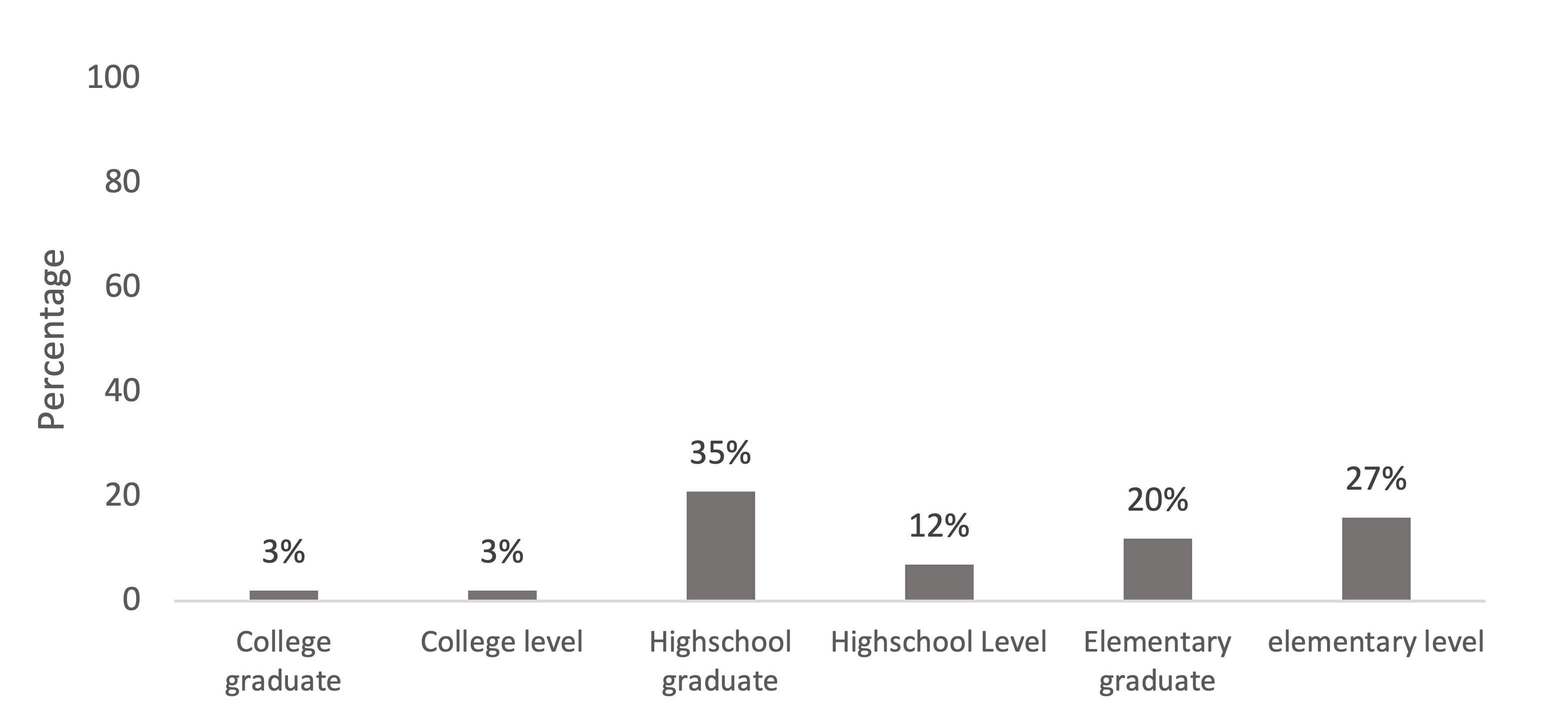
Most respondents are high school graduates (35%), followed by those with an elementary-level education, comprising 27%. Around 20% graduated from elementary school, and 12% attained a high school level, while a few collectors reached a college level (3%) or completed a college degree (3%) (Figure 2). The result implied that the sea urchin fishery is an option for those respondents who have reached primary and secondary levels of education. Moreover, the present study revealed higher educational attainment among “Swaki” collectors, who are predominantly secondary or high school graduates, in contrast to Furkon et al. (2020)'s findings, which indicated that most respondents had an elementary-level education.
“Swaki” Fisheries in Panglao
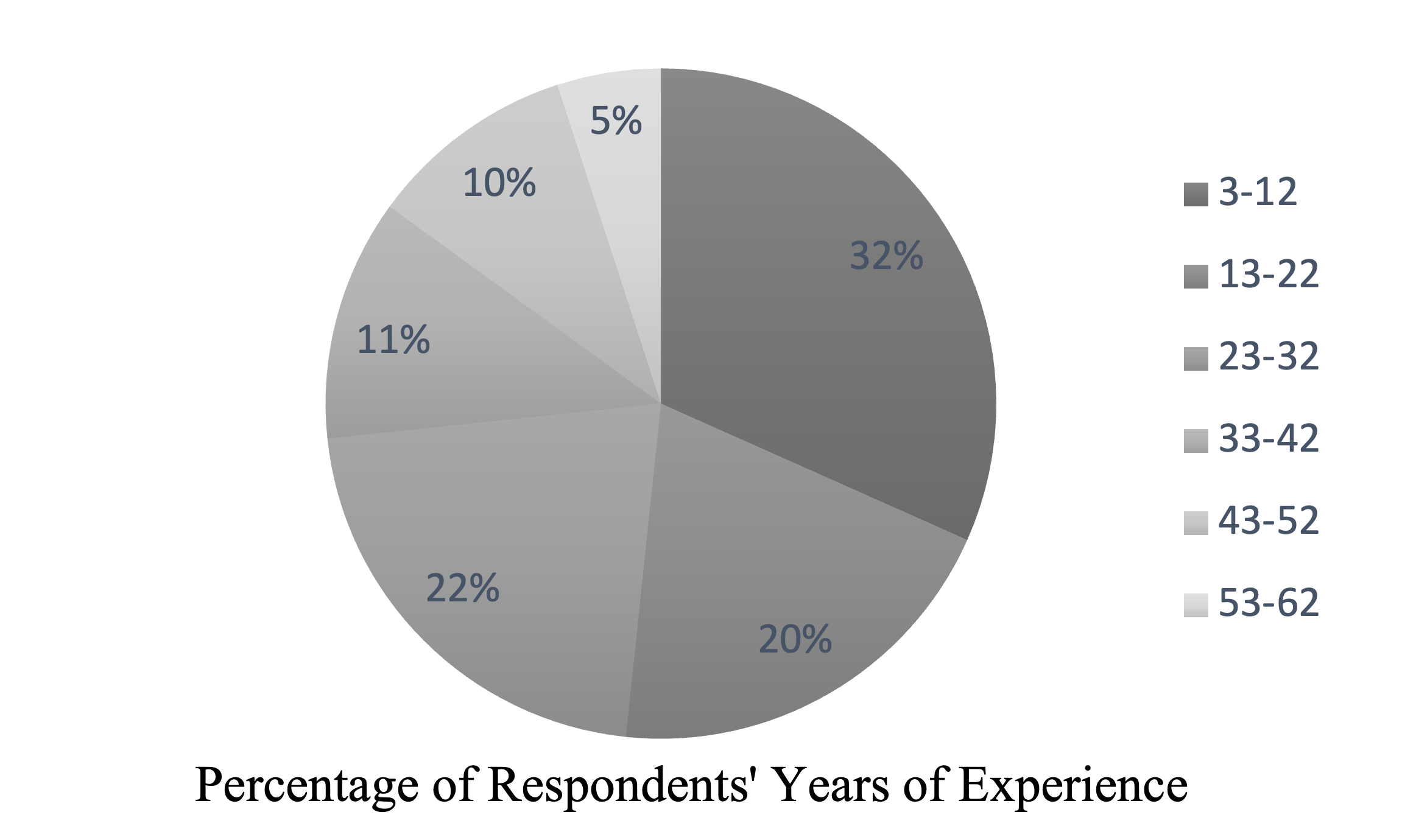
The “Swaki” fisheries in Panglao comprised mostly collectors with at least 3-12 years of experience (32%), followed by those with 23-32 years of experience (22%) (Figure 3). The “Swaki” collectors, with extensive experience ranging from 53 to 62 years, comprised only 5%. However, if summed up, 68 percent of collectors have gleaning experience of more than 12 years and are considered highly experienced gleaners. On average, the duration of experience for collectors is 22.5 years, which is higher compared to the study by Stiepani et al. (2023), which reported an average of 17.5 years of collection experience. Moreover, the oldest collector began her urchin collection in 1964, when she was a child, and has been collecting for 58 years.
Meanwhile, the respondents with the least years of experience began in 2019 after the declaration of the COVID-19 pandemic. The results suggest that this subsistence fishery has existed for a long time and was continually practiced by the people of Panglao. Additionally, it becomes an alternative livelihood for those affected by the pandemic. Generally, the respondents are considered experts in this type of fishery.
The study revealed that a higher percentage of respondents collected sea urchins daily (88%); those who gleaned 3 to 4 times a week comprised 7%, while only 5% gleaned twice a week (Table 2). Given that most respondents spend a significant portion of their daily lives gathering sea urchins, the results suggested that the “Swaki” collection is done for purposes other than food. According to Parvez et al. (2016), sea urchin fishing significantly influenced the employment prospects and revenue streams available to coastal inhabitants in several Pacific Island nations.
In terms of the preferred time of collection, seventy-five percent (75%) of the “Swaki” collectors go out to the sea early in the morning. Some wait for low tide (22%), while 3% collect regardless of the tide and time of day. This finding contradicts the study by Nieves et al. (2010), which stated that the frequency of gleaning is influenced by the timing of the lowest low tide when extensive gleaning areas are exposed.
| Responses | Total | Percentage | |
|---|---|---|---|
| Frequency of collection | Everyday | 53 | 88 |
| Twice a week | 3 | 5 | |
| 3 to 4 times a week | 4 | 7 | |
| Time of the day | Anytime | 2 | 3 |
| During low tide | 13 | 22 | |
| Early morning | 45 | 75 | |
| Preferred Area | Doljo Area | 24 | 40 |
| Around Virgin Island and Gak-ang Island, of Poblacion, Panglao | 33 | 55 | |
| Shore fronting Danao Area | 3 | 5 | |
| Companions | No | 3 | 5 |
| Yes, Family members | 43 | 72 | |
| Yes, with neighbors | 14 | 23 |
The frequented area of the collectors is around the Virgin Island and Gak-ang islet of Poblacion Panglao (55%), and the Doljo area (40%). In comparison, fewer preferred the subtidal zone of Barangay Danao (5%). These two (2) preferred sites contained high-density seagrass meadows with good seagrass conditions (DENR-CENRO Tagbilaran, 2022, unpublished). According to Tamti et al. (2021), the abundance of “Swaki” species is linked to higher seagrass percentage cover in the area, which explains why collectors favor these sites.
The villagers gleaned together with their family members (72%), while others were accompanied by their neighbors (23%), and a small number of respondents gleaned alone (5%). Similar information has been reported in a study by Ungson (2004), which describes the sea urchin fishery as a significant source of income among villagers, including not only the husband but also other family members, such as the wife and children.
Respondents were asked about the volume of their catch, and their responses varied. The respondents stated that they can harvest an estimated minimum of 1,000 to 2,000 sea urchin individuals, or until their small boat (banca) is filled, depending on the season. In general, the respondents used improvised hooks to pick up the sea urchins, knives and gloves to shuck the urchin test, and a basin to aid the collectors in carrying their harvested “Swaki” while searching for other sea urchin individuals. The implements used are comparable to those previously documented from eastern Indonesia and elsewhere (Nurhasan & Rahim, 2011).
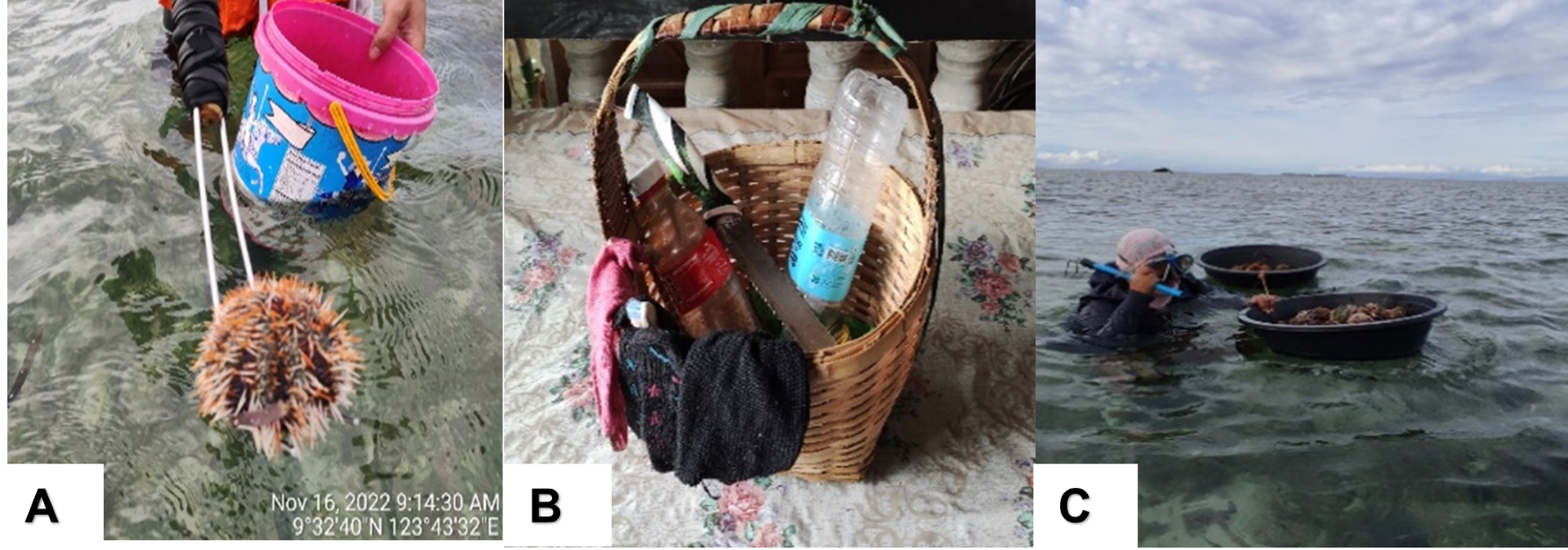
(A) Improvised Hook, (B) Basket, Knife, & Gloves, (C) Basin.
The majority of the respondents (77%) reported being size-selective in gathering sea urchins, while 23% indicated otherwise. However, despite the majority's size-selective practices, their catch volume remains unregulated. This practice in Panglao waters has also been documented in the coastal waters of Ilocos Norte and Ilocos Sur in the Northern Philippines, as reported by Ungson (2004).
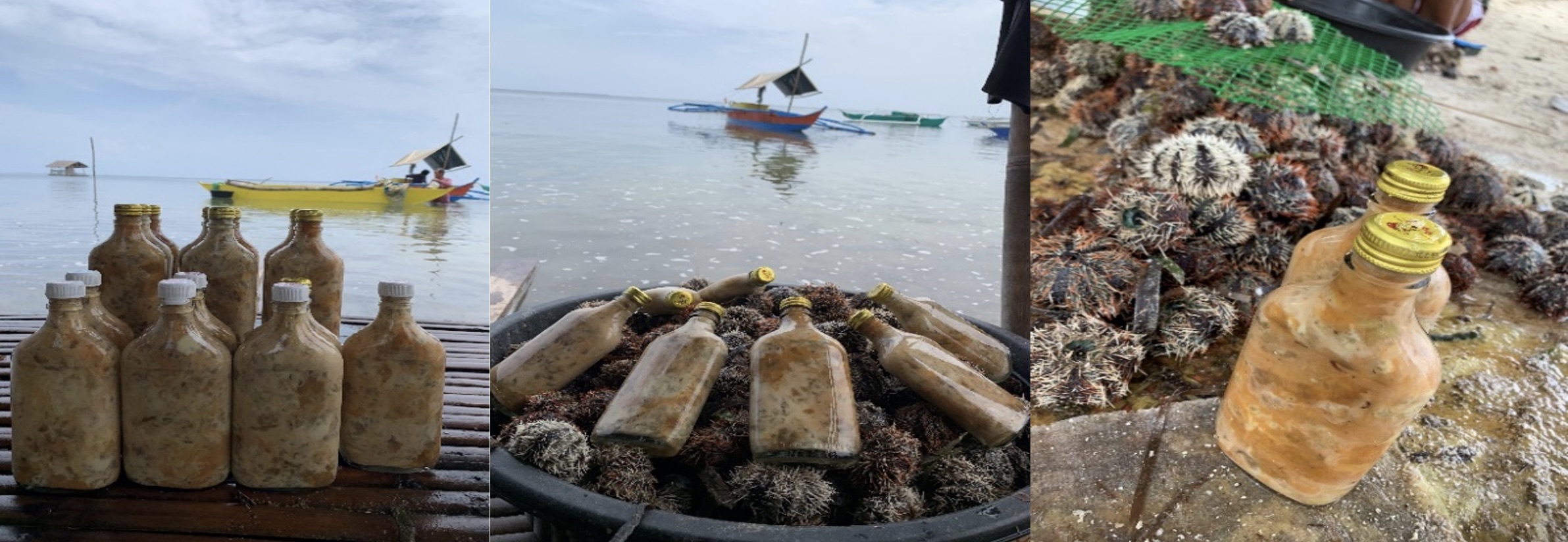
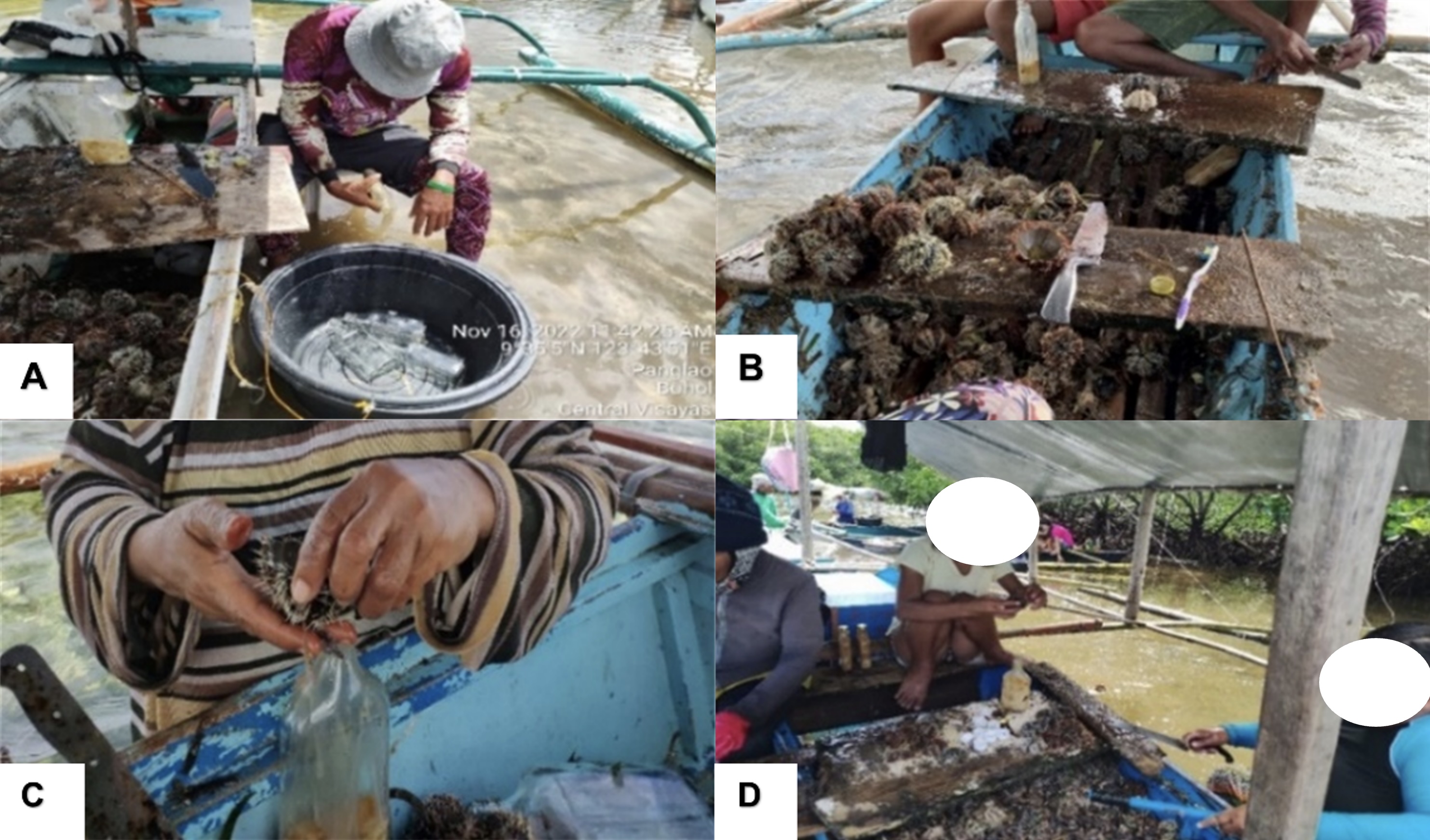
The post-harvest process of the collectors involved bringing their catch to the shore (67%) located at Barangay Doljo (Purok 1) or in the traditional landing area in Purok 2 of the same barangay (Table 3). The collectors and their family members shucked the urchins, removed and stored the roe in a flat glass rum bottle called “lapad”. Meanwhile, about 33% preferred to process their catch right away while foraging for sea urchins at their collection site or on the beach, where the water is about one meter deep. The collectors who practiced the latter method stated that they viewed it as the most convenient and more hygienic way of removing the guts from the shell, compared to processing them on the shore and immersing the dissected test in a basin filled with seawater. This post-harvest practice is similar to the observation of Tamti et al., (2023), where the standard methods of preparing sea urchins involved cleaning and consuming the gonads directly from the test or extracting the gonads from multiple urchins and placing them in cleaned empty test or other containers such as plastic bottles, bags, or jars.
| Post-harvest practice | Danao | Doljo | Poblacion | Total | Percentage |
|---|---|---|---|---|---|
| On the shore, Doljo | 36 | 4 | 40 | 67 | |
| Synchronous with gleaning | 6 | 14 | 20 | 33 | |
| Total | 6 | 50 | 4 | 60 | 100 |
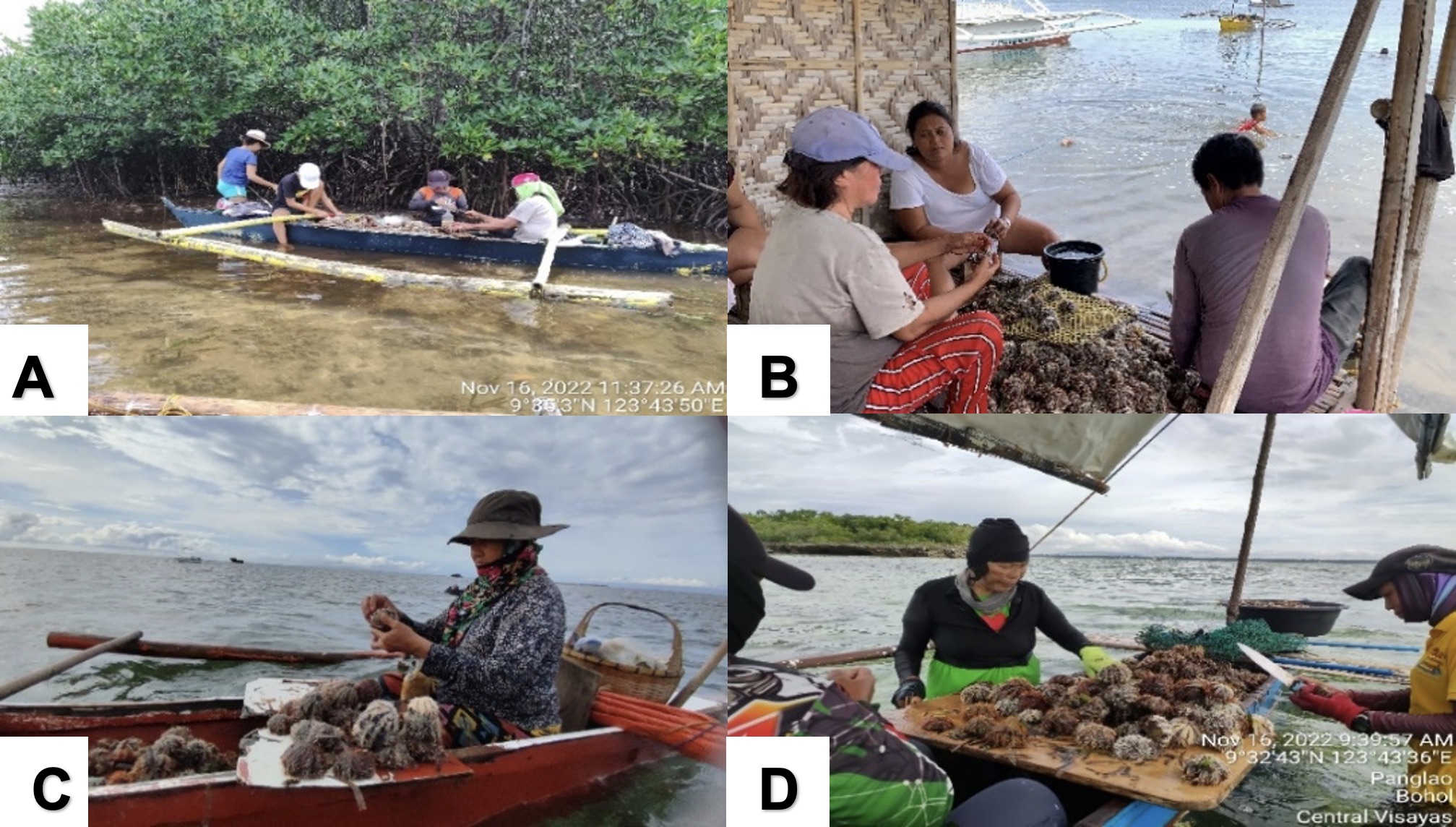
(A & B) Barangay Doljo, (C) Barangay Danao & (D) Poblacion.
Depending on the volume of orders or the quantity of sea urchins collected, collectors can fill at least 4 to 20 bottles per group or individual collector daily. Approximately 100-200 sea urchin individuals are required to fill one “Jr. or Sr. lapad” bottle. This range is based on the actual process of shucking and bottling the urchin roe. They sell their products at varying prices: P70 pesos for Jr. lapad and P80 pesos for Sr. lapad, either to a middleman or “kumprador” or directly deliver them to their “suki,” from whom they receive orders. The “kumprador” will sell the bottled urchin for 150-200 pesos in the wet market. Meanwhile, some sea urchin collectors displayed their bottled “Swaki” in their stalls along the roadside of Panglao. The trading patterns varied significantly across and between locations, including the trade volume, selling prices, purchasers, and the degree of pre-sale processing, even though most respondents sold their sea urchin harvest on local markets or to neighbors or individuals in their community (Tamti et al., 2023)
Size structure of the harvested “Swaki”
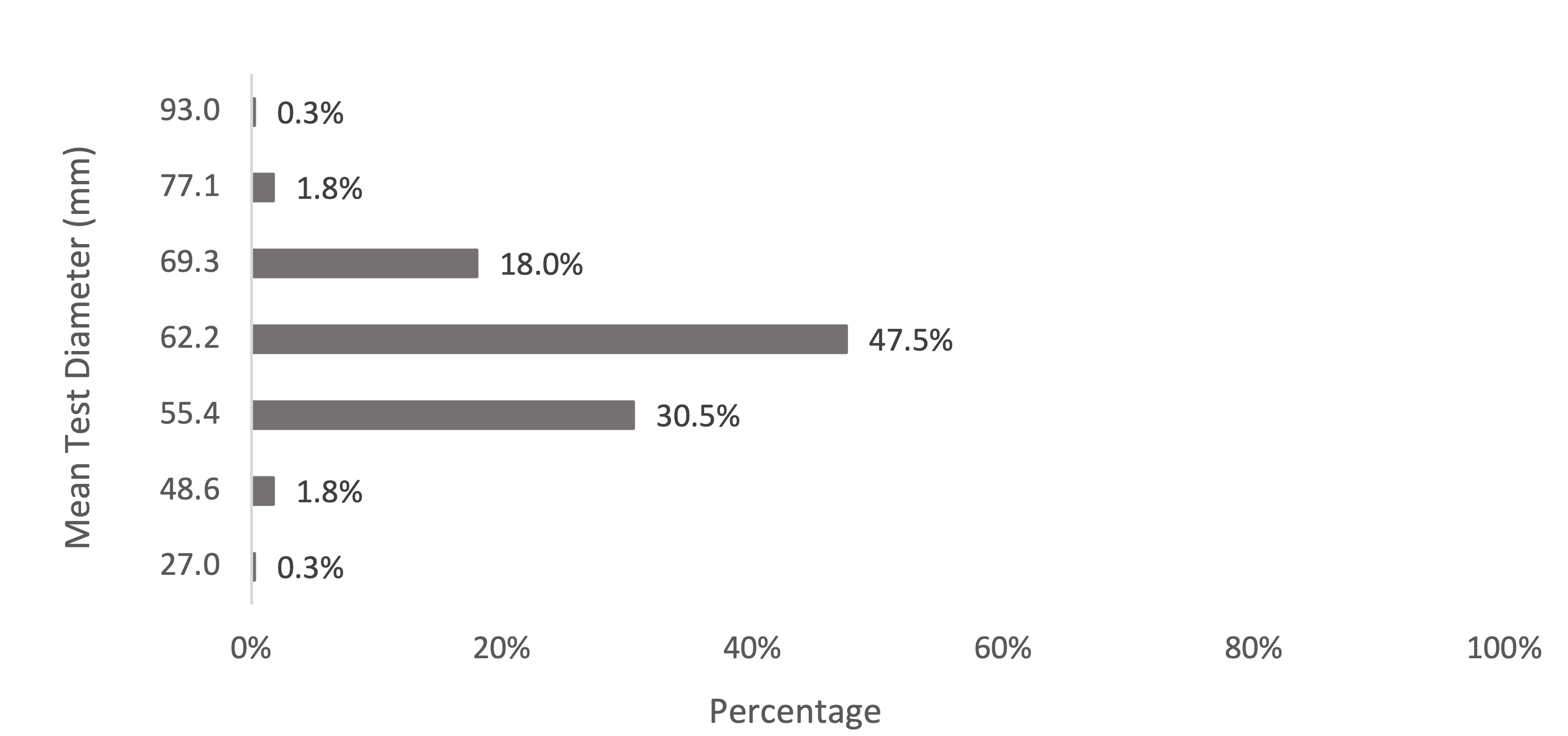
Four hundred sea urchin individuals were sampled to record their size structure. The test diameter of collected T.gratilla has a mean diameter of 61.4 ±6.3 mm (Figure 7). About 47.5% of the sample was dominated by individuals with a mean diameter of 62.2 ± 2.3 mm, while 30.5% had a mean diameter of 55.4 ±1.9 mm. Additionally, 18% of the sampled sea urchin has a mean test diameter of 69.3 ±2.0 mm. Meanwhile, only a few individuals had mean diameters of 48.6 ±1.1 mm (1.8%), 77.1 ±2.4 mm (1.8%), 27.0 ±0.0 mm (0.3%), and 93.0 ±0.0 mm (0.3%). In general, the collected “Swaki” were dominated by large-sized individuals, as categorized by Balisco (2015) in his study in Pag-asa Island, Kalayaan, Palawan. The result suggests that collectors target considerable-sized urchins, assuming that they contain larger gonads; thus, the dominance of large-sized urchins in the samples is relative to the preference of the collectors over small-sized “Swaki” individuals.
Environmental problems associated with “Swaki” Fisheries
According to the collectors' accounts, approximately 2,000 sea urchins are collected in a single day. If all collectors harvest 2,000 individuals simultaneously, the estimated daily catch is 120,000, or an annual extraction volume of about 43.8 million sea urchins. At this rate, the sea urchin population is at risk of overexploitation, which could lead to the collapse of the sea urchin fisheries, similar to what has happened in Ilocos Norte and Sur in Northwestern Luzon, with a reported annual catch of 2.5 million individuals (Ungson, 2004).
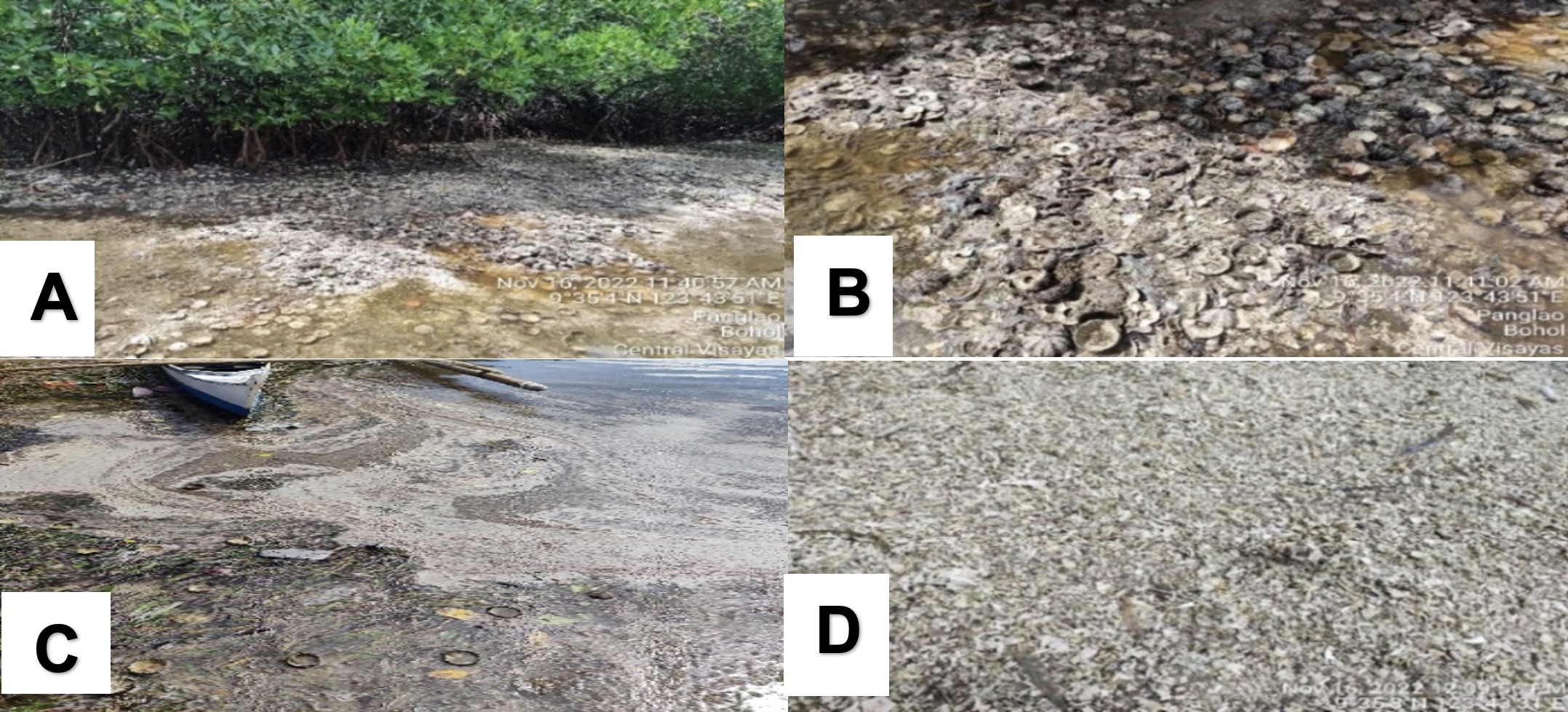
Aside from the possible decline of the population in the wild, shell disposal posed an environmental issue (Figure 8). As observed during the field visit, empty shells accumulated underneath the mangrove trees in the traditional landing site at Purok 2, Doljo. Moreover, the area has a foul smell and murky seawater. The rotting shells and discarded sea urchin guts have possibly affected the water quality, producing an unpleasant odor. This condition could adversely affect the dynamics of the area's mangrove and seagrass ecosystems, as well as other marine organisms.
Another notable situation was observed in Purok 1, Doljo, where the sea urchin waste was discarded on the sand (Figure 9). The collectors said they presumed the test would disintegrate and form sand sediments. However, despite the fragmented shell's appearance resembling sand particles, close observation revealed that it had sharp granules, which were distinctly different from the texture of natural sand. This situation posed a problem and a threat to the people who utilized the shore, as these waste materials can cause injury to the lower extremities. Additionally, the large number of broken shells carried by the waves is deposited in the seagrass area, potentially smothering the habitat (Appeltans et al., 2012). According to research by the National Fisheries Research and Development Institute (2023), seafood by-products are either disposed of in landfills or thrown into the ocean because there is currently insufficient technology to utilize them properly.
Apart from the environmental implications of the fisheries, the collectors' processing practices posed a food safety risk for the consumers (Figure 9). The sea urchins were processed without proper food preparation and sanitation. As observed, the sea urchin roe was scraped and transferred to an unsterilized bottle using bare hands. Moreover, collectors were witnessed washing bottles with sand taken directly from the substrate they stepped on. These practices highlight a significant concern for food safety and hygiene standards during processing.
Conclusion
The “Swaki” fisheries in Panglao serve as an important income-earning activity, particularly for female and married individuals who engage in gleaning to support their families. The presence of collectors in their late 30s to early 60s highlights the physical demands of the activity, while the participation of younger individuals, especially during the pandemic, shows its role as an alternative livelihood in times of economic uncertainty.
This type of fishery remains accessible to those with basic levels of education and is often passed down through generations, indicating its cultural and economic significance in the community. Collectors generally use simple tools such as improvised hooks, knives, and baskets, which help minimize disturbance to the seagrass ecosystem. Their size-selective harvesting practices also support regeneration by targeting mature urchins and leaving juveniles in their natural habitat.
Despite these positive practices, the excessive harvest of “Swaki” individuals posed a threat to the resource's sustainability. The income earned, around 300 to 1,000 pesos, is crucial for supporting household needs, yet improper shell disposal and concerns over food safety and hygiene during processing present environmental and health risks. These issues highlight the urgency for sustainable practices and the implementation of appropriate management strategies and interventions to ensure the long-term viability of the “Swaki” fisheries in Panglao.
Recommendations
There is a need for a management strategy to conserve, sustainably utilize, and improve the “Swaki” fisheries in Panglao. A more comprehensive study, which includes a census to account for the number of full-time “Swaki” collectors, is needed to better understand the dynamics of sea urchin fisheries in Panglao and to inform decision-making more effectively. Stock assessment must be conducted to evaluate the abundance and ecological health of sea urchins in their natural habitat in Panglao, including estimating the maximum sustainable yield to aid the development of sustainable harvesting practices. The formation of a People’s Organization (PO) focused on the sustainable and responsible harvest and processing of sea urchins is also suggested.
It is recommended that the LGU-Panglao establish a post-harvest facility and training program on proper food preparation, specifically for the “Swaki” collectors. The facility should strictly implement hygienic standards, providing a controlled environment for efficient and safe processing. In that way, the overall quality of the sea urchin product will be increased and enhanced.
To complement these efforts, it is recommended that Information, Education, and Communication (IEC) activities be conducted to promote awareness among sea urchin collectors and the broader community. These IEC efforts should focus on sustainable harvesting methods, proper waste disposal, and hygiene practices during processing. Materials such as flyers, posters, and community training can help empower stakeholders to adopt responsible and environmentally sound practices.
Additionally, the LGU may explore the possibility of other markets or exporting the “Swaki” roe or gonads to boost income. Lastly, to address environmental issues related to fisheries, a study could be conducted to transform sea urchin shells into eco-sustainable products.
References
- Appeltans, W., Ahyong, S., Anderson, G., Angel, M., Artois, T., Bailly, N., Bamber, R., Barber, A., Bartsch, I., Berta, A., Błażewicz, M., Bock, P., Boxshall, G., Boyko, C., Brandão, S., Bray, R., Bruce, N., Cairns, S., Chan, T. Y., Costello, M. 2012. The Magnitude of Global Marine Species Diversity. Current Biology, 22, 2189–2202. https://doi.org/10.1016/j.cub.2012.09.036
- Baião, L. F., Rocha, F., Costa, M., Sá, T., Oliveira, A., Maia, M. R. G., Fonseca, A. J. M., Pintado, M., Valente, L. M. P. 2019. Effect of protein and lipid levels in diets for adult sea urchin Paracentrotus lividus (Lamarck, 1816). Aquaculture, 506, 127–138. https://doi.org/10.1016/j.aquaculture.2019.03.005
- Balisco, R. A. T. 2015. Notes on the Gracious Sea Urchin Tripneustes gratilla (Echinodermata: Echinoidea) in Pag-asa Island, Kalayaan, Palawan, Philippines. https://aquadocs.org/handle/1834/17924
- Casilagan, I. L. N., Juinio-Meñez, M. A., & Crandall, E. D. 2013. Genetic diversity, population structure, and demographic history of exploited sea urchin populations (Tripneustes gratilla) in the Philippines. Journal of Experimental Marine Biology and Ecology, 449, 284–293. https://doi.org/10.1016/j.jembe.2013.09.012
- Coastal and Marine Ecosystems Management Program (CMEMP), 3rd Quarter Habitat Monitoring Report 2022.
- Department of Agriculture National Fisheries Research and Development Institute, From trash to cash, turning fishery into valuable products. October-November 2023 Volume No. 5 Issue No. 4. https://nfrdi.da.gov.ph/fisearch/
- Furkon, Nessa, N., Ambo-Rappe, R., Cullen-Unsworth, L. C., Unsworth, R. K. F. 2020. Social-ecological drivers and dynamics of seagrass gleaning fisheries. Ambio, 49(7), 1271–1281. https://doi.org/10.1007/s13280-019-01267-x
- Grantham, R., Lau, J., Kleiber, D. 2020. Gleaning: Beyond the subsistence narrative. Maritime Studies, 19(4), 509–524. https://doi.org/10.1007/s40152-020-00200-3
- Kleiber, D., Harris, L. M., Vincent, A. C. J. 2015. Gender and small-scale fisheries: A case for counting women and beyond. Fish and Fisheries, 16(4), 547–562. https://doi.org/10.1111/faf.12075
- Lawrence, J. M., Agatsuma, Y. 2007. Chapter 24 Ecology of Tripneustes. In J. M. Lawrence (Ed.), Edible Sea Urchins: Biology and Ecology (Vol. 37, pp. 499–520). Elsevier. https://doi.org/10.1016/S0167-9309(07)80088-3
- Lyimo, T. J., Mamboya, F., Hamisi, M., Lugomela, C. 2011. Food preference of the sea urchin Tripneustes gratilla (Linnaeus, 1758) in tropical seagrass habitats at Dar es Salaam, Tanzania.
- Nieves, P. M., de Jesus, S. C., Macale, A. M. B., Pelea, J. M. D. 2010. An Assessment of Macro-Invertebrate Gleaning in Fisheries on the Albay Side of Lagonoy Gulf. https://www.semanticscholar.org/paper/An-assessment-of-macro-invertebrate-gleaning-in-on-Nieves-Jesus/5dd2d641d57e141e3c05cba64df85a900540e201
- Norte-Campos, A. G. C. del, Campos, W. L., Villarta, K. A. 2006. A Survey of Macro-invertebrate Gleaning in the Banate Bay.pdf.
- Nurhasan, R. bin, Rahim, S. A. K. binti A. 2011. Sea Urchin Fishery Practices in Sabah.
- Parvez, S., Rahman, M. A., Yusoff, F. 2016. Sea Urchin Fisheries in Malaysia: Status, Potentials and Benefits. 4(1).
- Panglao Island Protected Seascape, Protected Area Management Plan 2020-2029.
- Regalado, J., Campos, W., Santillan, A. 2011. Population Biology of Tripneustes gratilla (Linnaeus)(Echinodermata) in Seagrass Beds of Southern Guimaras, Philippines. Science Diliman, 22.
- Republic Act No. 11038, An Act Providing for the Expanded National Integrated Protected Areas System (E-NIPAS), Repealing for the Purpose Republic Act No. 7586, Otherwise Known as the National Integrated Protected Areas System (NIPAS) Act of 1992, and for Other Purposes. https://www.officialgazette.gov.ph/downloads/2018/06jun/20180622-RA-11038-RRD.pdf
- Segismundo, A. B., Navarro, R. R. 2006. Socio-Economic Profile of the Sea Urchin Fishermen in Nalvo, Sta. Maria, Ilocos Sur.
- Stiepani, J., Jiddawi, N., Mtwana Nordlund, L. 2023. Social-ecological system analysis of an invertebrate gleaning fishery on the island of Unguja, Zanzibar. Ambio, 52(1), 140–154. https://doi.org/10.1007/s13280-022-01769-1
- Talaue-McManus, L., Kesner, K.P.N. 1995. Valuation of a Philippine Municipal Sea Urchin Fishery and Implications of Its Collapse.pdf.
- Tamti, H., Ambo-Rappe, R., Bin Andy Omar, S., Pagalay, B., Iqram, M., Moore, A. M. 2023. Sea urchin utilisation in Eastern Indonesia. ILMU KELAUTAN: Indonesian Journal of Marine Sciences, 28(3), 231–240. https://doi.org/10.14710/ik.ijms.28.3.231-240
- Tamti, H., Rappe, R. A., Andy Omar, S. B., Budimawan. 2021. Preliminary assessment of Tripneustes gratilla populations in Seagrass Beds of the Spermonde Archipelago, South Sulawesi, Indonesia. IOP Conference Series: Earth and Environmental Science, 763(1), 012008. https://doi.org/10.1088/1755-1315/763/1/012008
- Toha, A. H. A., Sumitro, S. B., Hakim, L., Widodo, N., Binur, R., Suhaemi, S., Anggoro, A. W. 2017. Review: Biology of the commercially used sea urchin Tripneustes gratilla (Linnaeus, 1758) (Echinoidea: Echinodermata). Ocean Life, 1(1), 1–10. https://doi.org/10.13057/oceanlife/o010101
- Ungson, J. R. 2004. Stock Enhancement of Sea Urchin (Tripneustes Gratilla) In Northwestern Luzon, Philippines: A Management Strategy.