
Wild Edible Plants Diversity and Its Potential for Supporting Food Security in Lombok Island, Indonesia
 10.21463/jmic.2025.14.3.06
Abstract
The increase in human population causes an increase in food needs, but this is not always balanced by sufficient food availability, thus creating a crucial problem in the form of food security. This study aims to determine the diversity of wild edible plants and their potential to support food security in Lombok Island. This research was conducted in rural areas of Central Lombok Regency, using exploratory methods and Interviews were conducted with local people who are of the Sasak tribe. Based on the research, there are 16 families, 26 genera, and 35 wild edible plant species. These plants are a source of macronutrients, so they play an important role in supporting food security. Based on the analysis, it is known that wild edible plants at the research location have high diversity (H' = 3.37).
Keywords
Lesser Sunda Islands, Sasak Tribe, Wild Edible Plants
Introduction
Food has always been a strategic issue in development, both at the global and national levels, because the fulfillment of food is a right of every citizen, whose quantity and quality must be guaranteed, safe, and nutritious. The Indonesian government remains committed to strengthening food security as an effort to provide food for the Indonesian population, thus becoming a healthy, active, productive, and competitive human resource. This commitment is in line with efforts to achieve the second goal of the Sustainable Development Goals (SDGs), namely eliminating hunger (zero hunger) by 2030 (National Food Agency, 2024). Ensuring a stable, hygienic, and nutritious food supply for people in developing countries is a serious concern today. Scarcity, high costs, and intermittent supply of healthy food have led to a search for affordable or alternative sources of quality and nutritious food (Ahmed, 2021). Indonesia is a developing country (Suryahadi et al., 2024). In developing countries, a wide variety of wild edible plant species are consumed as a food source. Due to rapid population growth, scarcity of fertile land for cultivation, and high prices of available staple foods, people often collect edible wild plants to meet adequate nutritional needs (Sekeroglu et al., 2016). In developing countries like Indonesia, many individuals rely heavily on wild edible plants as a food source, including in Lombok. Lombok is an island in the Lesser Sunda Islands chains, located between Bali and Sumbawa. Geographically, Lombok is in West Nusa Tenggara Province, Indonesia (Central Bureau of Statistics for West Nusa Tenggara Province, 2024). Sasak is a native tribe in Lombok Island (Rahayu et al., 2023). Food security is a condition where food is available for the country and individuals, as reflected in the availability of sufficient food, both in quantity and quality, which is safe, diverse, nutritious, evenly distributed and affordable and does not conflict with the religion, beliefs and culture of the community, so that they can live healthily, actively and productively in a sustainable manner (National Food Agency, 2024). Food security occurs when all people, at all times, have physical and economic access to sufficient, safe, and nutritious food that meets their dietary needs and preferences, enabling them to live an active and healthy life for a defined period (Nissa’ et al., 2024). There are three dimensions of food security, namely: availability, accessibility and utilization. Food availability is defined as the condition of the availability of food from local production through cultivation or wild. Food access or affordability at the household level is defined as the household's ability to obtain nutritious food. Food utilization refers to the use of food by a household and the individual's ability to consume food and the body to absorb and metabolize nutrients properly. The Sasak people interact with the surrounding environment, including meeting their daily food needs through the use of wild edible plants. Wild Edible Plants (WEP) are plants that grow without human assistance, utilizing only available resources (Clemente-Villalba et al., 2023). Wild edible plants (WEP) are an important food source because of their accessibility and affordability (Tadesse et al., 2024). Research on wild edible plants in Indonesia is still very limited (Triyanto et al., 2024; Farikha et al., 2024; Cahyanti et al., 2024; Rahayu et al., 2024). Research on food plants in Lombok Island is also still very limited (Rahayu and Ibo, 2018; Yusuf and Usman, 2022). Wild edible plants also contain nutrients, both macronutrients and micronutrients, so they play a role in supporting food security. Until now there has been no research that focuses on the diversity of wild edible plants on Lombok Island. We hypothesize that the diversity of wild edible plants in Lombok supports food security through nutritional and cultural functions. Therefore, this research was carried out with aims to determine the diversity of wild edible plants and their potential to support food security in Lombok Island.
Methods
Study area
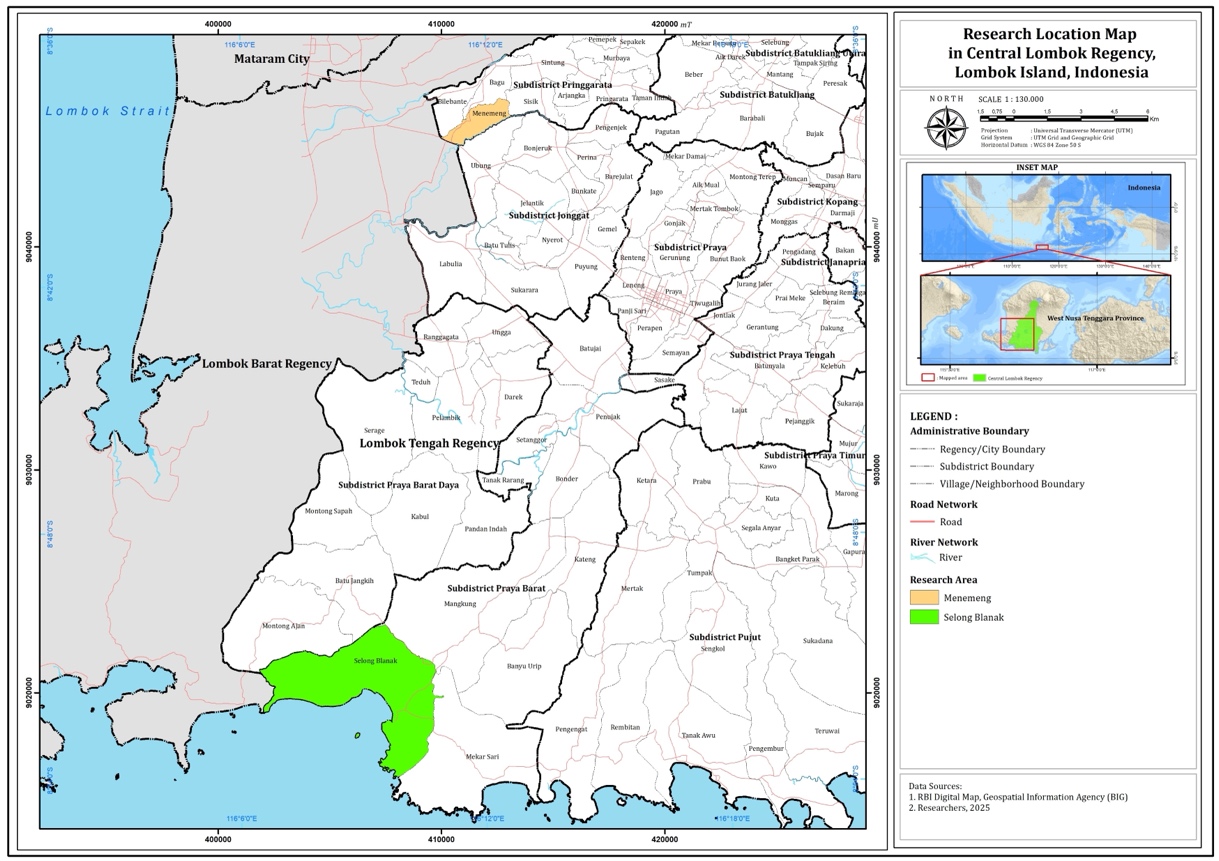
Lombok falls under the ecoregion category of tropics that experience seasonal drought (Brearley et al., 2019). This study was conducted in rural areas of Central Lombok Regency, namely: Selong Belanak Village (8°51’35”-8°52’11”S and 116°08’31”-116°10’00”E), West Praya District and Menemeng village (8°37’58”-8°38’06”S and 116°11’41”-116°11’32”E), Pringgarata District (Figure 1). This research was conducted using exploratory methods and interviews with local people. The primary livelihood of the local people in the research area is as a farmer. Geographically, West Praya is in the southern part of Central Lombok Regency which is a hilly area and borders with Indian Ocean. Meanwhile, Pringgarata District is a highland and is located in the northern part of Central Lombok Regency (Figure 1).
Field survey
The ethnobotanical approach was combined with the qualitative and quantitative methods. (Albuquerque et al. 2014; Iskandar, 2018). The consent process, building rapport, and ethical considerations are crucial initial steps in botanical research. Research permits were issued by Al-Azhar Islamic University and then submitted to the village government. The researchers also sought permission from local residents to serve as informants for this study. Interviews were conducted with local people who are of the Sasak tribe. Interviews with informants were born and live in villages of the research location (Table 1). The number of male and female informants was nearly equal. Most were people of productive age who worked as farmers in rainfed ricefields or gardens. Some were community leaders, such as village heads, village office employees, or hamlet heads. Others were housewives.
| Informants Category | Total | Percentage (%) |
|---|---|---|
| Sex | ||
| Male | 31 | 48 |
| Female | 34 | 52 |
| Age | ||
| 17–30 | 17 | 26 |
| 31–44 | 16 | 24 |
| 45–60 | 23 | 36 |
| > 60 | 9 | 14 |
| Occupation | ||
| Farmer | 26 | 40 |
| Community Leader | 7 | 11 |
| Housewife | 32 | 49 |
Field observations were conducted to determine the presence of wild edible plant species. Identification of plants refers to several identification books (Van Steenis, 2008; Henderson, 2009; Setyawati et al., 2015). The scientific names of these plants were based on the International Plant Name Index (2025). In this study, measurements of abiotic factors were carried out, namely: soil temperature and soil pH.
Data analysis
The plants that have been identified are then tabulated including families, vernacular names, part used as food, macronutrients, and conservation status. Nutritional content data is obtained from various references. The conservation status of plant species is obtained from the International Union for Conservation of Nature and Natural Resources (IUCN). The Shannon-Wienner diversity index was utilized for the analysis of plant diversity.
$$ H’= - \sum \text{Pi ln Pi} $$
Where H' = Shannon-Wienner diversity index, Pi = Proportion of the number individuals of a plant species (ni/N), ni = abundance of a plant species, N = total abundance of all plant species. Results of Shannon Wiener diversity index calculation should be categorized below (Odum & Barrett, 2009), there are three levels of biodiversity: high (H'>3), medium (1≤H'≤3), and low (H'<1).
The results of the research, included: plant identification, diversity index, measurement of abiotic factors, and conservation status were then analyzed descriptively.
Results and Discussion
Based on the research, there are 16 families, 26 genera, and 35 wild edible plant species, as seen in Table 2. These plants are a source of macronutrients, so they play an important role in supporting food security. Based on the analysis, it is known that wild edible plants at the research location have high diversity (H' = 3.37).
| Familia | Spesies | Vernacular Name | Number of Individuals | Part used as food | Macronutrients | Conservation Status |
|---|---|---|---|---|---|---|
| Anacardiaceae | Mangifera indica L. | Paok | 79 | Fruit | carbohydrate, protein, lipid (Rajasekaran & Soundarapandian, 2023) | Data Deficient |
| Araceae | Amorphophallus paeoniifolius (Dennst.) Nicolson | Gawok | 66 | Tuber | carbohydrate, protein (Shahbuddin et al., 2025) | Least Concern |
| Araceae | Colocasia esculenta (L.) Schott | Tojang sayur | 86 | Tuber | carbohydrate, protein, lipid (Fufa et al., 2023) | Least Concern |
| Araceae | Leucocasia gigantea (Blume) Schott. | Tojang | 40 | Leaves, petioles | carbohydrate, protein (Alam et al., 2025) | Not Evaluated |
| Araceae | Xanthosoma sagittifolium (L.) Schott | Tojang, Kimpul | 60 | Tuber, leaves | carbohydrate, protein (Karmakar & Patel, 2025) | Not Evaluated |
| Arecaceae | Arenga pinnata (Wurmb) Merr. | Lolon Enau, Aren | 40 | Fruit, flower bunches, stem shoots | Carbohydrate, protein, lipid (Yermia et al., 2025) | Least Concern |
| Arecaceae | Cocos nucifera L. | Lolon Nyiur | 111 | Fruit, flower bunches, stem shoots | Carbohydrate, protein, lipid (Parmar et al., 2021) | Not Evaluated |
| Arecaceae | Corypha utan Lam. | Male, Gewang, Gebang, Lontar Utan | 39 | Fruit, shoots (buds), stems | Carbohydrate, protein, lipid (Johnson, 1998) | Least Concern |
| Arecaceae | Salacca zalacca (Gaertn.) Voss | Salak | 11 | Fruit | Carbohydrate, protein (Mazumdar et al., 2019) | Not Evaluated |
| Convolvulaceae | Ipomoea batatas (L.) Lam. | Ambon Jamak | 57 | Tubers, leaves | Carbohydrate, protein, lipid (Garcia-Martinez et al., 2024) | Data Deficient |
| Dioscoreaceae | Dioscorea alata L. | Uwi | 95 | Tuber | Carbohydrate, protein, lipid (Indriyatno et al., 2024) | Not Evaluated |
| Dioscoreaceae | Dioscorea bulbifera L. | Gembolo | 99 | Tuber | Carbohydrate, protein, lipid (Indriyatno et al., 2024) | Not Evaluated |
| Dioscoreaceae | Dioscorea esculenta (Lour.) Burkill | Gembili | 109 | Tuber | Carbohydrate, protein, lipid (Indriyatno et al., 2024) | Not Evaluated |
| Dioscoreaceae | Dioscorea hispida Dennst. | Gadung | 133 | Tuber | Carbohydrate, protein, lipid (Hazrati et al., 2021) | Not Evaluated |
| Euphorbiaceae | Manihot esculenta Crantz | Ambon Jawe | 62 | Tubers, leaves | Carbohydrate, protein, lipid (Borku, 2025) | Not Evaluated |
| Fabaceae | Lablab purpureus (L.) Sweet | Komak | 40 | Pods, seeds, leaves | carbohydrate, protein, lipid (Pandey et al., 2022; Purwanti et al., 2019) | Not Evaluated |
| Fabaceae | Tamarindus indica L. | Bagek | 78 | Fruit, leaves | protein, lipid, carbohydrate (Sadiq et al., 2016) | Least Concern |
| Fabaceae | Vigna radiata (L.) R. Wilczek | Antap ijo; Kacang Hijau | 14 | Seeds | protein, lipid, carbohydrate (Lande et al., 2024) | Least Concern |
| Fabaceae | Vigna unguiculata (L.) Walp. | Antap; Kacang Panjang | 19 | Pods, seeds, leaves | Protein, lipid, carbohydrate (Purwatiningsih et al., 2016) | Not Evaluated |
| Fabaceae | Phaseolus vulgaris L. | Buncis | 15 | Pods, seeds | Protein, carbohydrate, lipid (Celmeli et al., 2018) | Least Concern |
| Lamiaceae | Coleus rotundifolius (Poir.) A.Chev. & Perrot | Kentang Bideng | 13 | Tuber | Carbohydrate, protein, lipid (Sethuraman et al., 2020) | Not Evaluated |
| Malvaceae | Durio zibethinus L. | Duren | 11 | Fruit, seeds | Carbohydrate, protein, lipid (Khaksar et al., 2024) | Data Deficient |
| Marantaceae | Maranta arundinacea L. | Arus, Garut, Irut | 69 | Rhizomes | Carbohydrate, protein, lipid (Fidianingsih et al., 2022) | Not Evaluated |
| Moraceae | Artocarpus altilis (Parkinson) Fosberg | Sukun | 25 | Fruit | Carbohydrate, protein, lipid (Mehta et al., 2023) | Not Evaluated |
| Moraceae | Artocarpus camansi Blanco | Koloh; Keluwih | 52 | Fruit | Carbohydrate, protein, lipid (Silalahi, 2022) | Not Evaluated |
| Moraceae | Artocarpus heterophyllus Lam. | Nangke | 81 | Fruit, seeds | Carbohydrate, protein, lipid (Khan et al., 2021) | Not Evaluated |
| Musaceae | Musa acuminata x balbisiana | Puntik Sabe; Pisang Kepok | 131 | Fruit, stem | Carbohydrate, protein, lipid (Nupus, 2022) | Least Concern |
| Musaceae | Musa acuminata Colla | Puntik Sun; Pisang Emas | 63 | Fruit | Carbohydrate, protein, lipid (Indonesian Food Composition, 2020) | Least Concern |
| Musaceae | Musa balbisiana Colla | Puntik Batu; Pisang Batu | 45 | Fruit | Carbohydrate, protein, lipid (Prayogi et al., 2016) | Least Concern |
| Musaceae | Musa x paradisiaca L. | Puntik Lumut | 91 | Fruit | Carbohydrate, protein, lipid (Al-Snafi et al., 2023) | Not Evaluated |
| Rhamnaceae | Ziziphus mauritiana Lam. | Gol; Bidara | 129 | Fruit | Carbohydrate, protein, lipid (Anka et al., 2019) | Least Concern |
| Sapindaceae | Dimocarpus longan Lour. | Kelengkeng | 27 | Fruit | Carbohydrate, protein, lipid (Kathpalia, 2022) | Data Deficient |
| Sapindaceae | Nephelium lappaceum L. | Buluan; Rambutan | 53 | Fruit | Carbohydrate, protein, lipid (Biswas, 2021) | Least Concern |
| Sapotaceae | Manilkara zapota (L.) P. Royen | Sabo Coklat; Sawo Manila | 20 | Fruit | Carbohydrate, protein, lipid (Miranda, 2022) | Least Concern |
| Taccaceae | Tacca leontopetaloides (L.) Kuntze | Taka | 57 | Tuber | Carbohydrate, protein, lipid (Yonata et al., 2023) | Least Concern |
Plants interact with abiotic factors (Heinze et al., 2017). The following abiotic factors influence plant growth: soil temperature and pH. One of the abiotic factors that control plant growth is temperature (Walne & Reddy, 2022). Because it provides mechanical support, nutrients, and water, the soil is essential for plant life’s maintenance. The soil is a significant heat store. Numerous biological processes are catalyzed by soil temperature. The moisture, aeration, and availability of plant nutrients that are necessary for plant growth are all affected by soil temperature (Onwuka, 2018). The temperature for plant growth goes from 15-40°C. Plant growth slows down at temperatures above 40°C and below 15°C. Temperature plays a role in activating biochemical and physiological reactions in plants (Wiraatmaja, 2017). The biogeochemical processes of soil are significantly influenced by the soil pH. As a result, soil pH is referred to as the “master soil variable” because it has a significant impact on a wide range of biological, chemical, and physical properties as well as processes that influence plant growth and biomass yield (Neina, 2019). Soil pH influences the availability of soil nutrients, soil microbial activity, and plant growth and development (Zhang et al., 2019). The entire chemistry of plant nutrient colloidal solutions is controlled by the concentration of hydrogen ions, which is what determines the soil’s pH (Msimbira & Smith, 2020). Soil pH affects the ability of the soil to provide nutrients for plants. Thus, the pH of the soil is one indicator of soil fertility. In the pH range of 6-7, plant nutrients are most readily available (Hutasuhut, 2020). Based on measurements, it can be said that soil temperature (23-29°C) and soil pH (5.0-7.0) at the research site are appropriate for plant growth. As a result, the research site, can support a variety of plant species and are rich in biodiversity.
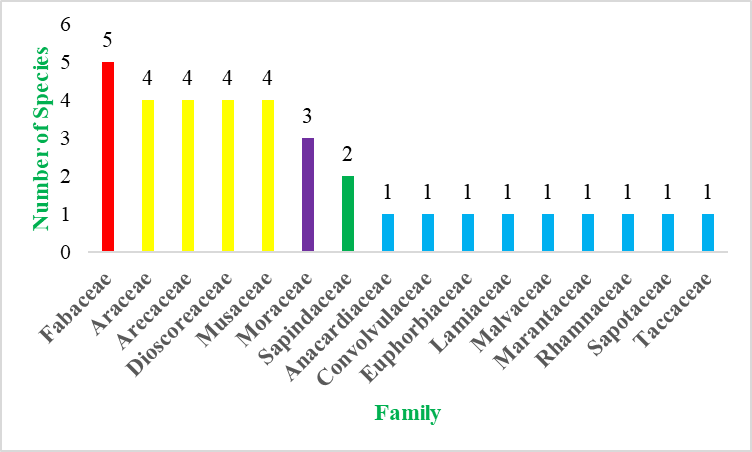
Based on the research, as seen in Figure 2, Fabaceae is the family with the largest number of wild edible plant species (5 species). Fabaceae are abundant in the research area due to its tropical climate and soil conditions (soil temperature 23-29°C and soil pH 5-7), which are suitable for Fabaceae habitat. This is in line with Maulidan et al. (2022), who stated that Fabaceae grows well in soil with a temperature of 26-33°C and a soil pH of 4-8.
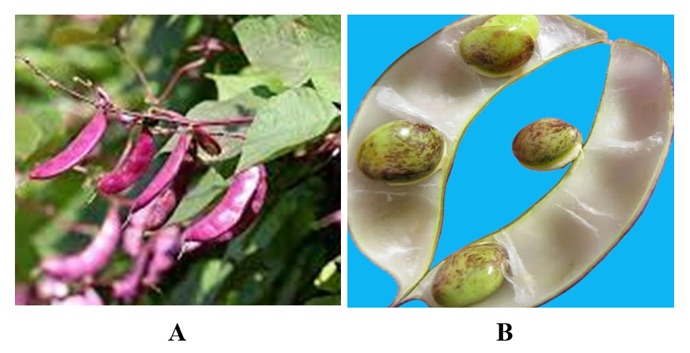
Lablab purpureus contains carbohydrates (Pandey et al., 2022), proteins and lipids (Purwanti et al., 2019). This species grows wild in homegardens and gardens. Lablab purpureus pods are flat with a length varying between 5-20 cm, containing 3-6 oval seeds, as seen in Figure 3. Sasak people have specific preferences when using L. purpureus, particularly as a food ingredient. This preference is largely determined by the texture of the organs, particularly the fruit. L. purpureus fruit (pods and seeds) is commonly prepared in soups (e.g., tamarind soup, stir-fried vegetables, or light soups). The L. purpureus fruit favored by the community is soft when processed or cooked. Sukenti et al. (2016) in relation to its use as a food ingredient, L. purpureus leaves are also used as a natural dye (green) in the preparation of a traditional food called poteng reket (fermented sticky rice). Poteng reket is a traditional snack on the island of Lombok, which is mainly served during Eid al-Fitr and the birthday of the Prophet Muhammad. The organs used are mature leaves, which are ground until smooth, then the liquid is extracted to be added as a dye to sticky rice (Sukenti et al., 2022).
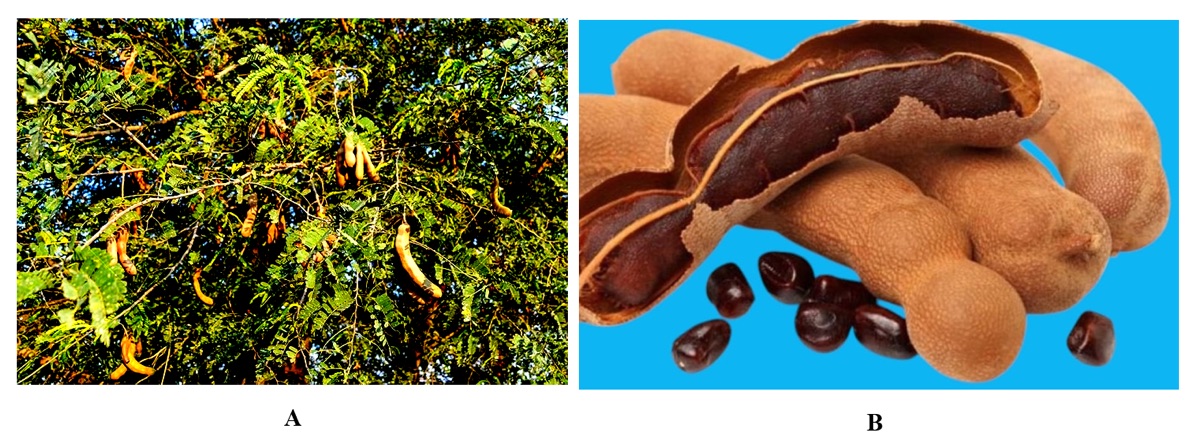
Tamarindus indica is a native plant to tropical regions, such as in rural areas of Lombok Island, Indonesia. This species grows wild in homegardens, gardens, roadsides, or other open areas. The fruit is a brown pod with a distinctive sour flavor, containing flesh and flat seeds. The seeds are hard, shiny, brown, and covered by a tough membrane, as seen in Figure 4. Sadiq et al. (2016) stated that T. indica contains proteins, lipids, and carbohydrates. Fruit from native trees like T. indica contributes to food security (Ebifa-Othieno et al., 2017), traditional medicine, and ecosystem stability (Morka, 2025) in rural areas. The Sasak people use T. indica fruit in their cooking because its sour taste enhances the flavor of food. They commonly use it in dishes like sour vegetables and rujak (fruit salad).
Vigna radiata is a rich and easily digestible source of protein, essential amino acids, complex carbohydrates, vitamins and minerals (Supasatyankul et al., 2022). Carbohydrates are the largest component (over 55%) of V. radiata seeds, consisting of starch, sugar, and fiber. The starch in V. radiata has a very high digestibility (99.8%), making it suitable for infants and toddlers whose digestive systems are not as mature as adults. The second largest component is protein (20-25%), with a digestibility of 77%. V. radiata contains 22.2 grams of protein, 345 kcal of energy, 1.2 grams of fat, 62.9 grams of carbohydrates, and various vitamins and minerals (Yi-Shen et al., 2018). Kabre et al. (2022) stated that V. radiata is a health food, when integrated into dietary habits, can contribute to the prevention of chronic diseases.
According to Pertiwi et al., (2021), the main nutrients contained in V. unguiculata pods are vitamin A and vitamin B, while the seeds contain more protein and fat. V. unguiculata is considered a vegetable source due to its composition of carbohydrates (70%), protein (17.30%), fat (1.50%), and water (12.20%) (Faizah et al., 2025). V. unguiculata is a legume found abundantly in tropical regions, such as the Indonesian island of Lombok. According to Purnama et al. (2025), this plant has significant nutritional and economic value and contribute to food security. The Sasak people use V. unguiculata in various dishes, such as stir-fries, asem-asem, lodeh, gado-gado, lalapan, and urap.
In terms of food safety and a healthy food supply, Phaseolus vulgaris is a source of protein, carbohydrates, vitamins, and minerals. It is also rich in unsaturated fatty acids, such as linoleic and oleic acids. P. vulgaris is an important source of nutrients for food security and a healthy food supply (Celmeli et al., 2018; Habibi et al., 2025). P. vulgaris adapts and grows in tropical climates, such as in the villages on Lombok Island. Local dishes of the Sasak people that use P. vulgaris are stir-fries, soups, salads, gado-gado, and pecel.
The second-highest number of wild edible plant species (4 species) are Araceae, Arecaeae, Dioscoreaceae, and Musaceae. Wild edible plants species in the Araceae are Amorphophallus paeoniifolius (Dennst.) Nicolson, Colocasia esculenta (L.) Schott, Leucocasia gigantea (Blume) Schott., and Xanthosoma sagittifolium (L.) Schott.
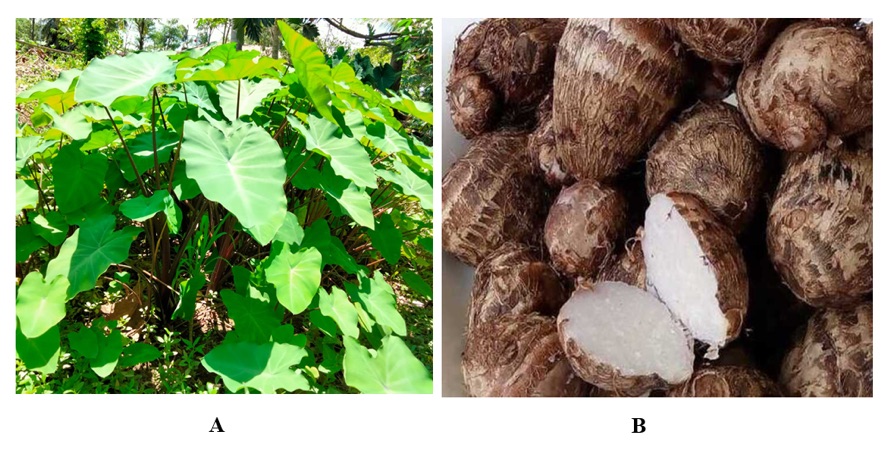
Shahbuddin et al. (2025) stated that Amorphophallus paeoniifolius is a potential plant with high nutritional content, such as carbohydrates, proteins, vitamins, and minerals. This plant also has various health benefits, including antibacterial, antioxidant, antitumor, analgesic, and antidiarrheal properties thanks to its phytochemical content. Amorphophallus paeoniifolius can grow in various soil types and thrives in adverse weather conditions, making it highly potential as a food crop in tropical and subtropical regions. A. paeoniifolius offers various advantages that align with sustainable development goals and global health. By understanding the biological aspects of the growth and utilization of this plant, Sasak people can improve their food security (food supply), diversify their diets, and increase resilience to environmental and economic challenges. Fufa et al. (2023) stated that Colocasia esculenta contains ash, crude fat, fiber, crude protein, carbohydrates, energy, potassium, sodium, calcium, phosphorus, iron, zinc, and manganese. This species grows wild in homegardens and gardens. This species has cylindrical, round, or conical tubers measuring up to 30 x 15 cm, with brown skin and white flesh, as seen in Figure 5. The Sasak people consume the tubers of this plant by steaming or frying them.
Leucocasia gigantea is an edible plant with a variety of health benefits (Alam et al., 2025). L. gigantea contains primary metabolites (carbohydrates and proteins) and secondary metabolites (saponins, flavonoids, steroids, and tannins) (Husna et al., 2023). Vegetables such as Leucocasia are very important in human nutrition, providing essential nutrients and bioactive compounds with medicinal properties (Mohammad et al., 2025). Alam et al. (2025) stated that L. gigantea has potential as an antidiabetic agent. Xanthosoma sagittifolium contains carbohydrates and proteins (Karmakar & Patel, 2025). Maghfirah et al. (2022) stated that X. sagittifolium is a member of the Araceae family which is a source of carbohydrates that is widely found in dry areas for food security. Food availability is a crucial factor in community food security. Local food is the easiest resource to ensure food availability, especially local tubers as a source of carbohydrates. Araceae are local plants easily found in rural areas of Central Lombok Regency. Traditionally, X. sagittifolium tubers are eaten steamed, fried, and processed into chips.
Wild edible plants species in the Arecaeae are Arenga pinnata (Wurmb) Merr., Cocos nucifera L., Corypha utan Lam., and Salacca zalacca (Gaertn.) Voss. Arenga pinnata produces large quantities of fruit. The Sasak people of Lombok Island use young Arenga pinnata fruit to make sweets. Yermia et al. (2025) stated that Arenga pinnata fruit contains carbohydrates, protein, lipids, fiber, and water. The sap tapped from Arenga pinnata flowers is processed into palm sugar by the Sasak people on Lombok Island.
Wild edible plants species in the Dioscoreaceae are Dioscorea alata L., Dioscorea bulbifera L., Dioscorea esculenta (Lour.) Burkill, and Dioscorea hispida Dennst. Indriyatno et al. (2024) sated that tuber of D. alata contains carbohydrates, protein, and lipids. In the Sasak community, D. alata tubers are processed by boiling, baking, frying, or mashing them to make flour (starch). Wild edible plants species in the Musaceae are Musa acuminata x balbisiana, Musa acuminata Colla, Musa balbisiana Colla, and Musa x paradisiaca L.
The third-highest number of wild edible plant species (3 species) is Moraceae, namely: Artocarpus altilis (Parkinson) Fosberg, Artocarpus camansi Blanco, and Artocarpus heterophyllus Lam. In the Sasak tribe, A. altilis fruit is processed into various dishes such as fried, steamed, or made into flour.
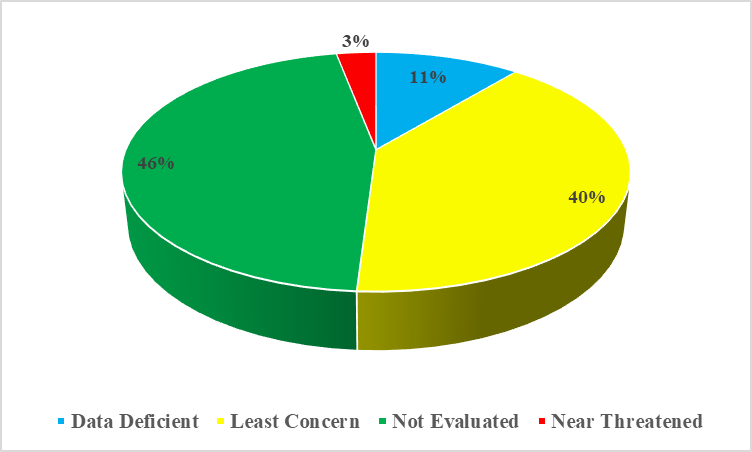
There are 11% of wild edible plant species with Data Deficient conservation status, 40% of wild edible plant species with Least Concern conservation status, 46% of wild edible plant species with Not Evaluated conservation status, and 3% of wild edible plant species with Near Threatened conservation status, as seen in Figure 6. The species with Near Threatened conservation status is A. camansi. In the Sasak tribe, A. camansi fruit is processed into vegetables by slicing them thinly and then mixing them with coconut milk and various cooking spices.
Wild edible plants are plant species that have not been intentionally cultivated or domesticated by humans, but are still safe for consumption. As in the research location, these plants grow naturally in various environments, such as homegardens, gardens, ricefields, forests, or grasslands. Wild edible plants are readily available, making them accessible and affordable. Therefore, they are crucial to the food security of rural communities in Lombok Island. This underscores the critical role of wild edible plants in local food systems, which contribute significantly to food and nutrition security in communities.
Furthermore, the harvesting and trade of wild edible plants has the potential to create jobs and generate income in rural areas. Wild edible plants also offers a promising alternative for nutritional supplementation because it contains both macronutrients and micronutrients. This makes wild edible plants play a crucial role in addressing nutritional deficiencies.
These plants may play a significant role in environmental sustainability because they grow wild and can be used as functional ingredients to develop new food products. This sustainable nature is leading more and more consumers, chefs, and nutritionists to incorporate wild edible plants into their dishes and diets (Nilsen et al., 2017). The future must be more sustainable, and wild edible plants can contribute to that (Clemente-Villalba et al., 2023). The limitation of this study is that the nutritional data was not measured by the researcher, but was obtained from various references.
Sustainable use of wild edible plants can be achieved through responsible harvesting and conservation practices, where harvesting must consider the potential for ecosystem damage and species extinction. Sustainability strategies include on-site and off-site conservation to protect species from threats such as deforestation. Furthermore, cultivation of valuable wild plants, such as planting them in homegardens and gardens, can help increase plant numbers and reduce reliance on wild harvesting. Harvesting must comply with limits to prevent ecosystem damage. Communities need to understand when and how plants can be harvested without disrupting their survival. On-site conservation is carried out to protect the natural habitats where wild plants grow, such as forests and drylands. Off-site conservation involves conservation efforts outside their natural habitats, for example through cultivation or collecting seeds for future protection. Cultivation of wild edible plants is carried out to help maintain species sustainability by reducing dependence on wild harvesting. This can also be done by replanting harvested species to ensure future supplies. Cultivation can support biodiversity, namely: maintaining the diversity of wild edible plants and their habitats. Cultivation in homegardens and gardens aims to help ensure local food supplies, especially during the dry season or times of scarcity. The domestication process, where wild species are transformed into cultivated plants, can be accomplished through careful experimentation to identify suitable plants for cultivation and incorporate them into agricultural systems. Education for local communities is needed to raise awareness of the importance of wild edible plants, as well as the benefits and drawbacks of unsustainable use. Further research is needed on the nutritional content of wild edible plants and their potential uses to improve knowledge and practices.
Conclusion
Based on the research, there are 16 families, 26 genera, and 35 wild edible plant species. These plants are a source of macronutrients, so they play an important role in supporting food security. Based on the analysis, it is known that wild edible plants at the research location have high diversity (H' = 3.37). There are 11% of wild edible plant species with Data Deficient conservation status, 40% of wild edible plant species with Least Concern conservation status, 46% of wild edible plant species with Not Evaluated conservation status, and 3% of wild edible plant species with Near Threatened conservation status. Wild edible plants play a crucial role in supporting sustainable local food security, particularly for rural communities on Lombok Island. The diversity of these plant species must be preserved. The findings of this study can serve as recommendations for local government policy on the importance of community-based conservation of diversity of wild edible plant species to support local food security. Utilizing wild edible plants can encourage community involvement in preserving plant habitats. When people experience the benefits, awareness of preserving biological resources will increase. By conserving wild edible plants, food diversity can be expanded, reducing dependence on a few major staple crops. Ex situ conservation of wild edible plants can be developed for commercial purposes. This can create a source of income for local communities and an economic incentive for conservation activities.
Acknowledgments
The author would like to thank the Directorate of Research and Community Service (Direktorat Penelitian dan Pengabdian Masyarakat, DPPM), Ministry of Higher Education, Science, and Technology of the Republic of Indonesia, for providing research grant funding. He also thanks all parties who participated in supporting the research activities.
Disclosure Statement
This research does not involve any conflicts of interest.
References
- Ahmed, U. 2021. An Overview on Underutilized Wild Edible Plants as a Source of Alternative Nutrition. International Journal of Innovative Research in Computer Science & Technology (IJIRCST), 9, (3): 108-111. https://doi.org/10.55524/ijircst.2021.9.3.21
- Alam, S., Richi, F.T., Akter, B., Hossain, M.H., Rony. S.R., Hridoy, A., Mohammad, M., Khanum, S., Hasib, M.S., Jahan, F. 2025. An integrated investigation on taro vegetable (Colocasia gigantea Hook.f.) to ascertain its ethnomedicinal importance: insights into prospective phytochemicals regulating analgesic, antidiabetic, and cytotoxic actions. Food Chemistry Advances, 9: 101099. https://doi.org/10.1016/j.focha.2025.101099
- Albuquerque, U.P, de Lucena, R.F.P., & Neto EML. 2014. Selection of research participants. In: Albuquerque, U.P., Cruz da Cunha, L.F., Paiva de Lucena, R.F., & Alves, R.R.N. (eds.). Methods and Techniques in Ethnobiology and Ethnoecology. Humana Press, Springer Science+ Business Media, New York. 10.1007/978-1-4614-8636-7
- Al-Snafi, A.E., Talab, T.A., Jafari-Sales, A. 2023. Nutritional and therapeutic values of Musa paradisíaca - A review. Nativa, 11 (3): 396-407. https://doi.org/10.31413/nat.v11i3.15983
- Anka, S.A., Aliero, B.L., Aliero, A.A., Belel, M.A., Ahmad, N.M., Waziri, A.F. 2019. Nutrional and Medicinal Potential of Ziziphus mauritiana Lam. Leaf and Fruit Extracts. Savanna Journal of Basic and Applied Sciences, 1 (2): 269-275.
- Biswas, S. 2021. Nutritional and Phytochemical Profile of Rambutan: A Concise Review. International Journal of Food and Nutritional Sciences, 10 (12): 577-584.
- Brearley, F.Q., Adinugroho, W.C., Cámara-Leret, R., Krisnawati, H., Ledo, A., Qie, L., Smith, T.E.L., Aini, F., Garnier, F., Lestari, N.S., Mansur, M., Murdjoko, H., Oktarita, S., Soraya, E., Tata, H.L., Tiryana, T., Trethowan, L.A., Wheeler, C.E., Abdullah, M., Aswandi, Buckley, B.J.W., Cantarello, E., Dunggio, I., Gunawan, H., Heatubun, C.D., Arini, D.I.D., Istomo, Komar, T.E., Kuswandi, R., Mutaqien, Z., Pangala, S.R., Ramadhani, Prayoto, Puspanti, A., Qirom, M.A., Rozak, A.H., Sadili, A., Samsoedin, I., Sulistyawati, E., Sundari, S., Sutomo, Tampubolon, A.P., & Webb, C.O. 2019. Opportunities and challenges for an Indonesian forest monitoring network. Annals of Forest Science, 76: 54. https://doi.org/10.1007/s13595-019-0840-0
- Borku, A.W. 2025. Cassava (Manihot esculenta Crantz): its nutritional composition insights for future research and development in Ethiopia. Discover Sustainability, 6: 404. https://doi.org/10.1007/s43621-025-00996-2
- Cahyanti, F.A., Eskundari, R.D., Purwanto, A. 2024. Wild Edible Plants as an Alternative Food Source for The Community of Pakis Baru Village, Nawangan, Pacitan. Jurnal Biologi Tropis, 24 (2): 352-367. https://doi.org/10.29303/jbt.v24i2.6779
- Celmeli, T., Sari, H., Canci, H., Sari, D., Adak, A., Eker, T., Toker, C. 2018. The Nutritional Content of Common Bean (Phaseolus vulgaris L.) Landraces in Comparison to Modern Varieties. Agronomy, 8 (9): 166. https://doi.org/10.3390/agronomy8090166
- Central Bureau of Statistics for West Nusa Tenggara Province. 2024. West Nua Tenggara Province in Figures 2023. Central Bureau of Statistics for West Nusa Tenggara Province, Mataram.
- Clemente-Villalba, J., Burlo, F., Hernández, F., Carbonell-Barrachina, A.A. 2023. Valorization ofWild Edible Plants as Food Ingredients and Their Economic Value. Foods, 12 (5), 1012. https://doi.org/10.3390/foods12051012
- Ebifa-Othieno, E., Mugisha, A., Nyeko, P., Kabasa, J.D. 2017. Knowledge, attitudes and practices in tamarind (Tamarindus indica L) use and conservation in Eastern Uganda. Journal of Ethnobiology and Ethnomedicine, 13: 5. https://doi.org/10.1186/s13002-016-0133-8
- Faizah, A.F., Santoso, J., Suryandika, F. 2025. Increasing the Growth and Yield of Long Bean Plants (Vigna sinensis L.) Against POC and NPK Fertilizers. Jurnal Agronomi Tanaman Tropika, 7 (1): 294-300. https://doi.org/10.36378/juatika.v7i1.4153
- Farikha, K.N., Syahrani, L.P.W., Alfiyah, L.K., Luthfia, Nurwulandari, M., Nazar, I.A., Junaedi, E., Setyawan, A.D. 2024. The diversity of wild edible plants used by community living around Mount Merapi National Park, Central Java, Indonesia. Biodiversitas, 25 (9): 3041-3049. https://doi.org/10.13057/biodiv/d250925
- Fidianingsih, I., Aryandono, T., Widyarini, S., Herwiyanti, S., Suanrti. 2022. Arrowroot (Maranta arundinacea L.) as a new potential functional food: A scoping review. International Food Research Journal, 29 (6): 1240-1255. https://doi.org/10.47836/ifrj.29.6.02
- Fufa, T.W., Oselebe, H.O., Abtew, W.G., Amadi, C.O. 2023. Physicochemical Analysis of Taro (Colocasia esculenta (L.) Schott) Accessions. Asian Journal of Research in Agriculture and Forestry, 9 (4): 29-41. https://doi.org/10.9734/ajraf/2023/v9i4232
- Garcia-Martinez, R.M., Rodiles-Lopez, J.O., Martinez-Flores, H.E. 2024. Nutritional Value and Antioxidant Capacity of Mexican Varieties of Sweet Potato (Ipomoea batatas L.) and Physicochemical and Sensory Properties of Extrudates. Polish Journal of Food and Nutrition Sciences, 74 (4): 376-386. https://doi.org/10.31883/pjfns/195146
- Habibi, S., Aryan, S., Seerat, A.Y., Saighani, K., Haidari, M.D. 2025. Maximizing Common Bean (Phaseolus vulgaris L.) Productivity Through Application of Organic and Inorganic Fertilizers in Alkaline Soil. Applied Biosciences, 4 (2): 22. https://doi.org/10.3390/applbiosci4020022
- Hazrati, K.Z., Sapuan, S.M., Zuhri, M.Y.M., & Jumaidin, R. 2021. Extraction and characterization of potential biodegradable materials based on Dioscorea Hispida tubers. Polymers, 13 (4): 1-19. https://doi.org/10.3390/polym13040584
- Heinze, J., Gensch, S., Weber, E., & Joshi, J. 2017. Soil temperature modifies effects of soil biota on plant growth. Journal of Plant Ecology, 10 (5): 808-821. https://doi.org/10.1093/jpe/rtw097
- Henderson, A. 2009. Palms of Southern Asia. Princetown University Press, New Jersey.
- Husna, A.K.N., Widyawati, T., Anggraini, D.R. 2023. Bioactivity of the Colocasia gigantea Plant. International Journal of Research and Review, 10 (8): 350-357.
- Hutasuhut, M.A. 2020. Plant Ecology. State Islamic University of North Sumatera, Medan.
- Indonesian Food Composition. 2020. Indonesian Food Composition Table. Indonesian Ministry of Health, Jakarta.
- Indriyatno, Wijayanto, N., Batubara, I., Supriyanto. 2024. The diversity, ethnobotany and nutrient contents of Dioscorea for post-disaster food security in Lombok, Indonesia. Biodiversitas, 25 (2): 553-564. https://doi.org/10.13057/biodiv/d250214
- Iskandar, J. 2018. Ethnobiology, Ethnoecology and Sustainable Development. Plantaxia, Yogyakarta.
- Johnson, D.V. 1998. Non-Woods Forest Products: Tropical Palms. Food and Agriculture Organization of The United Nations, Rome, Italy.
- Kabre, J.d.W., Dah-Nouvlessounon, D., Hama-Ba, F., Agonkoun, A., Guinin, F., Sina, H., Kohonou, A.N., Tchogou, P., Senou, M., Savadogo, A., Baba-Moussa, L. 2022. Mung Bean (Vigna radiata (L.) R. Wilczek) from Burkina Faso Used as Antidiabetic, Antioxidant and Antimicrobial Agent. Plants, 11 (24): 3556. https://doi.org/10.3390/plants11243556
- Karmakar, N., Patel, H. 2025. Nutritional Profiling of Different Tannia (Xanthosoma sagittifolium) Genotypes. SATSA Mukhapatra, 29: 250-256.
- Kathpalia, R. 2022. Phytomedicinal Potential of “Dimocarpus Longan Lour.” as an Essential Nutraceutical. International Journal of Current Science Research and Review, 5 (11): 4226-4231. https://doi.org/10.47191/ijcsrr/V5-i11-20
- Khaksar, G., Kasemcholathan, S., Sirikantaramas, S. 2024. Durian (Durio zibethinus L.): Nutritional Composition, Pharmacological Implications, Value-Added Products, and Omics-Based Investigations. Horticulturae, 10 (4), 342. https:// doi.org/10.3390/horticulturae10040342
- Khan, A.U., Ema, I.J., Faruk, M.R., Tarapder, S.A., Khan, A.U., Noreen, S., Adnan, M. 2021. A Review on Importance of Artocarpus heterophyllus L. (Jackfruit). Journal of Multidisciplinary Applied Natural Science, 1 (2): 106-116. https://doi.org/10.47352/jmans.v1i2.88
- Lande, C.R., Bukhari, A., Usman, A.N., hafsa, A.M., Ahmad, M., Stang. 2024. Green Beans (Vigna Radiata L.): Nutrients and Processed Products as Additional Food to Overcome the Malnutrition. BIO Web of Conferences, 96: 01018. https://doi.org/10.1051/bioconf/20249601018
- Maghfirah, Santosa, E., Suwarto. 2022. Morpho-physiological Characterization and Genetic Diversity of Cocoyam Accessions (Xanthosoma sagittifolium (L.) Schott). Indonesian Journal of Agronomy, 50 (2): 155-163. https://doi.org/10.24831/jai.v50i2.41872
- Maulidan, Y., Sukiman, Sukenti, K., Julisaniah, N.I., Kurnianingsih, R. 2022. Study of Habitat Characteristic and Ethnobotanical Aspects of Komak Beans (Fabaceae) in North Lombok Regency. Jurnal Biologi Tropis, 22 (4): 1347-1360. https://doi.org/10.29303/jbt.v22i4.4377
- Mazumdar, P., Pratama, H., Lau, S. E., Teo, C. H., & Harikrishna, J. A. (2019). Biology, phytochemical profile and prospects for snake fruit: An antioxidant-rich fruit of South East Asia. Trends in Food Science & Technology, 91, 147-158. https://doi.org/10.1016/j.tifs.2019.06.017
- Mehta, K.A., Quek, Y.C.R., Henry, C.J. 2023. Breadfruit (Artocarpus altilis): Processing, nutritional quality, and food applications. Frontiers in Nutrition, 10: 1156155. https://doi.org/10.3389/fnut.2023.1156155
- Miranda, J. 2022. Nutrition and Pharmacological Effects of Manilkara zapota. Journal of Innovation and Social Science Research, 9 (7): 10-14. https://doi.org/10.53469/jissr.2022.09(07).03
- Mohammad, M., Hossain, M. R., Hasan, M. M., Richi, F. T., Bhuiya, A. M., Chowdhury, S., Sultana, R., Alam, S., Hossain, R. 2025. A novel insight into the anti-diabetic and diuretic potentials of the Colocasia esculenta L. (Taro) vegetable flower extract accentuating its ethnobotanical importance. Pharmacological Research in Natural Products, 6: 100177. https://doi.org/10.1016/j.prenap.2025.100177
- Morka, A.B. 2025. Traditional Management Practices and its Use of Tamarind (Tamarindus Indica L.) By Berta Community in Assosa Zone Northwest, Ethiopia. Indian Journal of Advanced Botany, 5 (1): 27-33. https://doi.org/10.54105/ijab.A1043.05010425
- Msimbira, L.A. & Smith, D.L. 2020. The Roles of Plant Growth Promoting Microbes in Enhancing Plant Tolerance to Acidity and Alkalinity Stresses. Frontiers in Sustainable Food Systems, 4: 106. https://doi.org/10.3389/fsufs.2020.00106
- National Food Agency. 2024. Food Security Index 2023. National Food Agency, Jakarta.
- Neina, D. 2019. The Role of Soil pH in Plant Nutrition and Soil Remediation. Applied and Environmental Soil Science, 2019: 5794869. https://doi.org/10.1155/2019/5794869
- Nilsen, L.B., Maxted, N., Mba, C., Dulloo, E., Ghosh, K., Brehm, J.M., Kell, S., Diulgheroff, S., Noorani, A., Furman, B. 2017. Voluntary Guidelines for the Conservation and Sustainable Use of Crop Wild Relatives and Wild Food Plants. Comission on Genetic Resources for Food and Agriculture (FAO), Food and Agriculture Organization of the United Nations (FAO), Rome, Italy.
- Nissa’, Z.N.A., Dewandini, S.K.R., Simanjuntak, A.P. 2024. Potential Conflict of Small-Scale Fishermen on the North Coast of Java: Case Study of Muarareja village, Tegal, Central Java, Indonesia. Journal of Marine and Island Cultures, 13 (1): 135-152. https://doi.org/10.21463/jmic.2024.13.1.08
- Nupus, Y.Y. 2022. Fruit Characteristics and Nutritional Value of Bile Banana Cultivar (Musa acuminata x Musa balbisiana (ABB) cv. Bile) in East Lombok District. Thesis. Universitas Islam Negeri Maulana Malik Ibrahim, Malang.
- Odum, E.P. & Barrett GW. 2009. Fundamentals of Ecology-5thed. Cengage Learning, Melbourne.
- Onwuka, B.M. 2018. Effects of soil temperature on some soil properties and plant growth. Advances in Plants & Agriculture Research, 8 (1): 34-37. https://doi.org/10.15406/apar.2018.08.00288
- Pandey, D.K., Singh, S., Dubey, S.K., Mehra, T.S., Mounika, V., Dixit, S., Sawargaonkar, G. 2022. Nutrient profiling of Lablab bean (Lablab purpureus L.) Sweet accessions from Northeast India: Diversity exploration leading to mitigation of nutritional vulnerability. Research Square: 1-7. https://doi.org/10.21203/rs.3.rs-2237030/v1
- Parmar, P.T., Singh, A.K., Borad, S.G. 2021. Coconut (Cocos nucifera). Oilseeds: Health Attributes and Food Applications: 163-189. https://doi.org/10.1007/978-981-15-4194-0_7
- Pertiwi. S.K, Rizal. K, Triyanto. Y. 2021. Pengaruh Pupuk Organik Cair Urin Kambing dan Pestisida Alami terhadap Pertumbuhan Tanaman Kacang Panjang Beda Varietas di Desa Gunung Selamat. Indonesia Journal of Community Services, 3 (1): 19-29. https://doi.org/10.30659/ijocs.3.1.19-30
- Prayogi, S., Fitmawati, Sofiyanti, R. 2016. Morphological Characteristics and Nutritional Content Testing of Batu Banana (Musa balbisiana Colla) in Kuantan Singingi Regency. Jurnal Biologi Papua, 8 (2): 97-110. https://doi.org/10.31957/jbp.59
- Purnama, I., Aziz, R.A., Rizal, M. 2025. Integrating organic manure and natural phosphate for sustainable long bean (Vigna sinensis L.) cultivation on marginal soils. Explora: Environment & Resource, 2 (1): 8348. https://doi.org/10.36922/eer.8348
- Purwanti, E., Prihanta, W., Fauzi, A. 2019. Nutritional Content Characteristics of Dolichos lablab L. Accessions in Effort to Investigate Functional Food Source. Advances in Social Science, Education and Humanities Research, 349: 166-170. https://doi.org/10.2991/iccd-19.2019.45
- Purwaningsih, N., Puspawati, N., Nyana, I. 2016. Pengaruh Penyakit Virus Mosaik Dan Kuning Terhadap Hasil Panen Tanaman Kacang Panjang (Vigna Sinensis L.) di Desa Perean, Baturiti, Tabanan. Jurnal Tropical Agrotech, 5 (3): 212-221.
- Rahayu, M., Ibo, L.K. 2018. Diversity of Local Food in Sasak Ethnic, Lombok Island, West Nusa Tenggara. IOP Conference Series: Earth and Environmental Science, 166: 012014. https://doi.org/10.1088/1755-1315/166/1/012014
- Rahayu, S.M., Hakim, L., Batoro, J., Sukenti, K. 2023. Plants Diversity of Sasak Tribe Homegarden in Villages around Mandalika, Lombok Island, Indonesia. Journal of Marine and Island Cultures, 12 (3): 325-351. https://doi.org/10.21463/jmic.2023.12.3.21
- Rahayu, Y.Y.S., Sujarwo, W., Irsyam, A.S.D., Dwiartama, A., Rosleine, D. 2024. Exploring unconventional food plants used by local communities in a rural area of West Java, Indonesia: ethnobotanical assessment, use trends, and potential for improved nutrition. Journal of Ethnobiology and Ethnomedicine, 20: 68. https://doi.org/10.1186/s13002-024-00710-y
- Rajasekaran, A., Soundarapandian, S. 2023. Nutritional and medicinal values of Mangifera indica L. fruit. Trends in Horticulture, 6 (2): 1-12. https://doi.org/10.24294/th.v6i2.2949
- Sadiq, I.S., Duruminiya, N.I., Balogun, J.B., Kwada, D., Izuagie, T. 2016. Nutritional and Anti-nutritional Value of Tamarind Fruit (Tamarindus indica). International Journal of Applied Research and Technology, 5 (3): 50-56.
- Sekeroglu, N., Ozkutlu, F., Deveci, M., Dede, O. Yilmaz, N. 2016. Evaluation of some wild plants aspect of their nutritional values used as vegetable in eastern black sea region of Turkey. Asian Journal of Plant Science, 5 (2): 185-189. https://doi.org/10.12691/jfnr-5-1-1
- Sethuraman, G., Nizar, N.M.M., Muhamad, F.N., Suhairi, T.A.S.T.M., Jahanshiri, E., Gregory, P.J., Azam-Ali, S. 2020. Nutritional Composition of Black Potato (Plectranthus rotundifolius (Poir.) Spreng.) (Synonym: Solenostemon rotundifolius). International Journal of Scientific & Engineering Research, 11 (10): 1145-1150.
- Setyawati, T., Narulita, S., Bahri, I.P., & Raharjo, G.T. 2015. A Guide Book to Invasive Alien Plant Species in Indonesia. Research, Development and Innovation Agency, Ministry of Environment and Forestry of Indonesia, Bogor.
- Shahbuddin, D., Reddy, M., Ridzuan, R., Sjahril, R. 2025. Botanical Aspects, Nutritional Benefits and Cultivation of Elephant Foot Yam (Amorphophallus paeoniifolius). Malaysian Journal of Fundamental and Applied Sciences, 21 (4): 2423-2446. https://doi.org/10.11113/mjfas.v21n4.3656
- Silalahi, M. 2022. Keluwih (Artocarpus camansi Blanco): Potential utilization as foodstuff and its bioactivity. GSC Biological and Pharmaceutical Sciences, 19 (02): 310-315. https://doi.org/10.30574/gscbps.2022.19.2.0200
- Sukenti, K., Hakim, L., Indriyani, S., Purwanto, Y., Matthews, P. (2016). Ethnobotanical study on local cuisine of the Sasak tribe in Lombok Island, Indonesia. Journal of Ethnic Foods, 3 (3): 189-200. https://doi.org/10.1016/j.jef.2016.08.002
- Sukenti, K., Julisaniah, N.I., Sukiman, Kurniasingsih, R. 2022. Exploration in utilization of Lablab purpureus (L.) Sweet in Central Lombok Regency as a support in food security based on local germplasm management and conservation. Jurnal Biologi Tropis, 22 (3): 999-1007. https://doi.org/10.29303/jbt.v22i3.4145
- Supasatyankul, B., Saisriyoot, M., Klinkesorn, U., Rattanaporn, K., Sae-Tan, S. 2022. Extraction of Phenolic and Flavonoid Compounds from Mung Bean (Vigna radiata L.) Seed Coat by Pressurized Liquid Extraction. Molecules, 27 (7): 2085. https://doi.org/10.3390/molecules27072085
- Suryahadi, A., Rishanty, A., Sparrow, R. 2024. Social Capital and Economic Development in a Large and Multi-Ethnic Developing Country: Evidence from Indonesia. Asian Development Review, 41 (2): 301-323. https://doi.org/10.1142/S0116110524500082
- Tadesse, D., Masreha, G., Lulekal, E., & Wondafrash, M. 2024. A systematic review exploring the diversity and food security potential of wild edible plants in Ethiopia. Scientific Reports, 14: 17821. https://doi.org/10.1038/s41598-024-67421-y
- Triyanto, A., Purnamasari, F., Paramita, F.S., Wicaksono, F.R., Ramadhan, F.A., Budiharta, S., Saensouk, S., Setyawan, A.D. 2024. Ethnobotany of wild edible plants used by local communities in three districts along the upper Bengawan Solo River, Central Java, Indonesia. Biodiversitas, 25 (4): 1596-1605. https://doi.org/10.13057/biodiv/d250428
- Van Steenis, C.G.G.J. 2008. Flora for schools. Penebar Swadaya, Jakarta.
- Walne, C.H. & Reddy, K.R. 2022. Temperature Effects on the Shoot and Root Growth, Development, and Biomass Accumulation of Corn (Zea mays L.). Agriculture, 12 (4): 443. https://doi.org/10.3390/agriculture12040443
- Wiratmaja, I.W. 2017. Temperature, Solar Energy, and Water in Relation to Plants. Udayana University, Denpasar.
- Yermia, Rahayu, W.P., Suryatma, N.E., Muhandri, T., Purnomo, E.H. 2025. Chemical and thermal properties of sugar palm fruits (Arenga pinnata) at different maturity levels. BIO Web of Conferences, 169: 01012. https://doi.org/10.1051/bioconf/202516901012
- Yi-Shen, Z., Shuai, S., FitzGerald, R. 2018. Mung bean proteins and peptides: nutritional, functional and bioactive properties. Food & Nutrition Research, 62: 1290. https://doi.org/10.29219/fnr.v62.1290
- Yonata, D., Triwitono, P., Lestari, L.A., Pranoto, Y. 2023. Physicochemical, structure and functional characteristics of Tacca leontopetaloides starches grown in Indonesia. Biodiversitas, 24 (11): 6396-6406. https://doi.org/10.13057/biodiv/d241165
- Yusuf, M., Usman, A. 2022. Development of local staple food in supporting food security: a case study in North Lombok, West Nusa Tenggara. IOP Conference Series: Earth and Environmental Science, 1107: 012032. https://doi.org/10.1088/1755-1315/1107/1/012032
- Zhang, Y.Y., Wu, W., & Liu, H. 2019. Factors affecting variations of soil pH in different horizons in hilly regions. PloS ONE, 14 (6): e0218563. https://doi.org/10.1371/journal.pone.0218563