
Militarizing Coffee Branding in the Maritime World: Babinsa and Social Change in Java’s Island Culture, Indonesia
 10.21463/jmic.2025.14.3.02
Abstract
This article examines the intersection between militarization, local culture, and rural economic revitalization through the case of coffee branding in Taji Village, Malang, East Java, Indonesia. Drawing on ethnographic observations, interviews, and document analysis, the study highlights the role of Babinsa (village supervisory non-commissioned officers) as agents of social change who mobilize cultural narratives and community participation in coffee production and branding. By situating Taji’s highland coffee within the broader maritime and island world of Java, the research demonstrates how state military actors engage in rural development not only through security functions but also through economic and cultural initiatives. The case of Babinsa Heri reveals how coffee branding becomes a medium for constructing local identity, strengthening communal solidarity, and connecting highland communities with maritime trade networks. This study contributes to debates on militarization and rural development by showing how military presence in everyday life can simultaneously reproduce state authority and foster community-based innovation.
Keywords
Babinsa, coffee branding, militarization, island culture, maritime world
1. Introduction
Coffee is a strategic commodity that not only sustains the global economy but also represents the cultural identity of producer countries. International scholarship shows that coffee-branding strategies play a crucial role in enhancing added value, strengthening competitiveness, and shaping the socio-economic image of farming communities at the global level (ICO, 2021; Jacobi et al., 2024; Peixoto et al., 2023). Case studies from Brazil, Ethiopia, and Colombia demonstrate that branding approaches grounded in quality, geographical origin, and cultural narratives are capable of linking farming communities to global markets while simultaneously reinforcing their positions within international value chains (Tamru & Minten, 2023). However, global literature continues to concentrate primarily on certification, fair trade, and market sustainability, while overlooking the role of non-economic institutions, such as the military in initiating commodity branding and diplomacy.
In Indonesia, coffee is not merely an export commodity but also an intrinsic part of the archipelagic cultural heritage, reflecting the geographical and social diversity of the nation. Highland regions of Java, i.e., Malang, Jember, Bondowoso, and Banyuwangi, have long been recognized as centers of coffee production characterized by distinctive agroecological features and cultivation practices rooted in local tradition (Abbas et al., 2024; Parmawati et al., 2023). Yet coffee-producing villages frequently face structural constraints, including limited access to international markets and declining interest among younger generations due to shifting rural economic landscapes. The research problem emerges when the revitalization of local coffee is driven not by economic actors but by the figure of Babinsa, a territorial military officer operating beyond the boundaries of formal economic institutions.
This study therefore aims to analyze the role of Bintara Pembina Desa (Babinsa) in the processes of social transformation and coffee revitalization in Taji Village, Jabung District, Malang Regency, during the period 2011–2025. Within this context, Babinsa not only carries out territorial guidance and national defense functions but also acts as an agent of cultural and economic change – mobilizing communities, strengthening local solidarity, and constructing local identity through community-based coffee-branding initiatives. Branding, in this sense, is understood not merely as a market strategy but as a social instrument that integrates national values, local innovation, and highland cultural practices.
This study reinforces its academic relevance by situating coffee-branding efforts within the conceptual frameworks of Maritime Anthropology and Island Studies, both of which conceptualize the sea as a space of social and economic interaction linking inland areas with coastal and transoceanic trade networks. From this perspective, highland coffee is not an isolated entity but part of a broader system of maritime mobility that connects Taji → Dampit → Tanjung Perak Port in Surabaya → markets in Asia, Africa, and Europe (Dua, 2024; Ma, 2020). This approach reveals that upland cultures in Java constitute an integral element of Indonesia’s archipelagic identity, wherein upland–maritime connectivity shapes the economic, symbolic, and cultural mobility of communities (Sheller & Urry, 2016). Accordingly, the involvement of the military through Babinsa within the coffee value chain offers a new analytical lens on the role of non-economic institutions in rural development, commodity diplomacy, and the construction of archipelagic cultural identities.
The novelty of this study lies in its examination of military involvement in the process of coffee branding – an analytical dimension that has received little attention in previous scholarship, either in Indonesia or internationally (Jones et al., 2024). The findings are expected to contribute significantly to the development of research on the interrelation between military institutions, archipelagic cultures, upland–coastal connectivity, and socio-economic transformation dynamics, while enriching scholarly discourse in the Journal of Marine and Island Cultures on how upland and coastal spaces in Indonesia form an interconnected maritime identity.
2. Theory and Methods
This study employs the historical method (Gottschalk, 1986; Izzah et al., 2020; Izzah, Sulistiyono & Rochwulaningsih, 2021; Izzah et al., 2022a; Izzah, Rochwulaningsih & Sulistiyono, 2022b; Izzah et al., 2023a; Izzah et al., 2023b) to trace the dynamics of coffee production and branding in Taji Village, as well as the transformation of its socio-economic relations. The cultural approach serves as an interpretative foundation for understanding the values, practices, and adaptive strategies of highland communities in Java in responding to shifts in economic structures and market conditions (Parmawati et al., 2023). Branding is understood not merely as a marketing instrument but as a symbolic construction that connects community identity with the global economy (Rindell & Pinto Santos, 2021; Huangfu et al., 2022; He et al., 2023; Acar et al., 2024). In this perspective, the historical reconstruction of upland spatial relations with maritime trading networks is conducted through a review of policy archives, government publications, and ethnographic interviews. The analysis is further strengthened by the perspectives of Maritime Anthropology and Island Studies (Adams, 2006; Erlandson, 2006), which conceptualize the sea as a space of socio-economic interaction linking inland regions with coastal and transoceanic exchange networks, thereby positioning agrarian commodities such as highland coffee as part of a wider system of maritime economic circulation. Adams (2006) emphasizes that the commodification of local products constitutes a process of cultural identity formation in which the sea functions as an economic–cultural sphere connecting upland communities with interregional markets. This notion aligns with the arguments of Dua (2024) and Ma (2020), who assert that maritime and archipelagic regions are arenas of socio-economic mobility, thus requiring commodities such as coffee to be understood as integral to maritime trading networks rather than as isolated agrarian products.
To examine the network of actors involved in the movement of Taji coffee, from farmers and Babinsa to collectors, roasteries, and exporters, this study adopts the frameworks of Mobility Studies and Actor–Network Theory (ANT). Mobility Studies highlights the movement of goods, ideas, and identities as forces shaping social structures (Sheller & Urry, 2016), while ANT maps the relationships between human and non-human actors such as land, logistics, ports, and regulations that enable coffee to move from highland environments to maritime economies (Latour, 2005). The integration of the Metode Sejarah with maritime perspectives and network approaches provides a robust conceptual foundation for understanding upland–coastal connectivity and cultural transformation within the Indonesian archipelago.
The stages of the Metode Sejarah employed in this study are grounded in Gottschalk’s (1986) formulation, which consists of four principal steps: heuristics, source criticism, interpretation, and historiographical construction. In the heuristic stage, primary data were collected through field observations, participatory engagement, focus group discussions (FGDs), and in-depth interviews with 50 coffee farmers in Taji Village, along with key stakeholders such as Babinsa – the Head Sergeant Heri Purnomo, the head of LMDH Wono Lestari, Bapak Rabuin, and the customary leader Mbah Pujo Warno. Secondary data were obtained from official government publications (BPS of East Java Province and Malang Regency, the Agricultural Census, DTPHP Malang Regency, and the Taji Village Profile), Perhutani archives (KPH Malang, BKPH Tumpang, RPH Sukopuro), and documents on coffee trade and export issued by GAEKI and ICEA.
The source criticism stage was applied to assess the authenticity, credibility, and relevance of the data through internal and external examinations. In the interpretation stage, analysis was conducted by integrating perspectives from Cultural Studies, Branding, Maritime Anthropology, and Island Studies, further supported by Mobility Studies and Actor–Network Theory to reconstruct the networks of connectivity linking highland regions, coastal zones, and inter-island spaces in the context of coffee marketing and circulation.
Through these methodological processes, the historiographical stage produced a reconstruction of the social history of the Taji community (Kartodirdjo et al., 2013), demonstrating that coffee functions as a medium of socio-economic transformation, a driver of maritime mobility, and a vehicle for preserving local cultural identity (Marrero et al., 2023; Gómez-Baggethun, 2021; Hanazaki, 2024; Cohen et al., 2023).
3. Results and Implications
3.1 Taji Village before 2011–2023
Taji Village is one of the villages located in Jabung District, Malang Regency, situated on the eastern tip of Java Island. Geographically, the village lies on the slopes of Mount Lawangan and Mount Kukusan, at an altitude of approximately 1,200 meters above sea level. The cool mountain climate, with annual rainfall ranging between 1,000–2,500 mm and an average humidity of 60–65 percent, provides the village with a distinctive agroclimatic character. Administratively, this village is divided into two hamlets, Krajan and Umbutlegi, with the majority of its inhabitants engaged in horticultural farming.
Agricultural life in the village is supported by farmer institutions organized into three farmer groups, namely Kartika 1, Kartika 2, and Kartika 3. Kartika 2, located in the western part of Krajan Hamlet, consists of about 50 members and serves as one of the driving forces of local agricultural activities. Furthermore, the landscape of Taji Village is surrounded by approximately 300 hectares of Perhutani forest, which plays a vital role in the agrarian system while simultaneously acting as an ecological buffer for the mountainous villages of East Java (Christmas et al., 2021).
Nevertheless, Taji Village locates in the highlands presents its own challenges. Access roads to the village are difficult, characterized by steep and winding routes flanked by deep ravines on both sides. These conditions significantly restrict the mobility of residents; large vehicles cannot enter, while smaller vehicles must proceed cautiously and often stop when encountering oncoming traffic. Such geographical constraints render Taji Village relatively isolated, making its economic development highly dependent on the agricultural sector and the community’s capacity to manage local resources amid limited accessibility.
The demographic conditions of Taji Village demonstrate sharp dynamics between 2010 and 2023. In 2010, the population was recorded at an exceptionally low level (145 inhabitants), which was likely due to initial data recording or the developmental stage of the area at that time. Recovery occurred in 2012–2013, with a significant increase from 1,280 to 1,437 inhabitants, driven by high birth rates, in-migration, and infrastructure development that enhanced the village’s attractiveness. However, after reaching its peak, the population stagnated in 2014–2015 at around 1,300 inhabitants. This phenomenon reflects the attainment of demographic equilibrium, in which birth, death, and migration rates remained relatively stable, a pattern also identified in other highland villages in Java that face constraints of land availability and market access (BPS, 2021) (Figure 1).
The subsequent period illustrates changes shaped by external factors. In 2019, the population remained relatively stable (1,333 inhabitants), but in 2020 it declined sharply to 1,206 due to the impact of the COVID-19 pandemic, which weakened the local economy and triggered out-migration (UNICEF, 2021; Khoirunurrofik et al., 2022). Gradual recovery took place between 2021 and 2023, marked by an increase in population from 1,240 to 1,296, in line with improving economic conditions, the revival of agricultural activities, and enhanced social mobility in rural areas (Hasyim, 2025; World Bank, 2023) (Figure 1). This recovery was closely related to the revitalization of coffee cultivation as the main commodity in 2011, initiated by Babinsa Heri, following a period when many villagers had shifted to vegetable crops. This agricultural reorientation had a positive impact on household economic resilience while simultaneously strengthening the village’s appeal as a place of residence and livelihood.
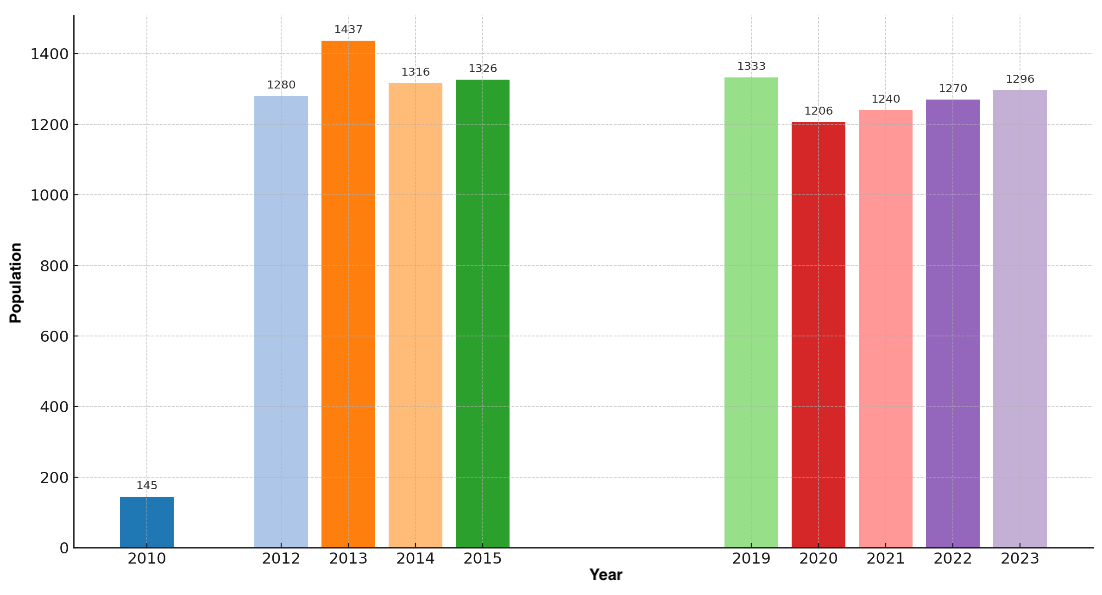
Source: Jabung District in Figures 2010–2024 (Kecamatan Jabung Dalam Angka 2010–2024) in BPS Reports of Jabung District from 2010 edition to 2024 edition
3.2 Tengger’s Lifeblood Runs through Taji: Tradition, Identity, and Transformation of the Mountain Community
The cultural life of the Taji community demonstrates the persistence of local traditions that remain intact despite the increasing influence of modernization on rural life. The Ritual Bersih Desa (Figures 2, 3, 4, and 5) functions as a symbol of the profound interconnectedness between humans, nature, and ancestral spirits. It serves not only as a spiritual practice but also as a social mechanism that reinforces collective identity and maintains community cohesion. This corresponds with studies of rural communities in Java, which indicate that customary rituals operate as adaptive instruments for sustaining social solidarity and historical continuity amid changing times (Malawi & Chasanatun, 2020; Lilik et al., 2024).
The community’s belief in supernatural forces and the sacredness of natural elements such as mountains, trees, and rivers reflect the persistence of a local cosmology in which the natural landscape is regarded as an entity possessing both spiritual and moral dimensions. From the perspective of cultural ecology, such spiritual relationships shape ethical frameworks governing human–environment interactions and affirm a collective responsibility toward ecological balance. The spiritual leadership of customary figures (dukun or pandhita), including individuals such as Mbah Pujo Warno, plays a central role in strengthening the community’s social and religious legitimacy. This pattern parallels practices among the Tengger people, where customary leaders maintain harmony among humans, nature, and the ancestors. These connections indicate that the cultural traditions of Taji constitute an integral part of Tengger cultural heritage, given their shared geographical and historical embeddedness within the Tengger highlands. Accordingly, the belief systems and customary leadership structures of Taji cannot be separated from the broader cosmological framework and cultural identity of the Tengger tradition.
The presence of Tari Tayub as part of the Ritual Bersih Desa (Figure 3) underscores the role of performing arts as a medium of symbolic communication between the community and its ancestors. A similar phenomenon is evident in the Yadnya Kasada tradition of the Tengger people (Figures 6 and 7), in which ritual performance reinforces the community’s spiritual identity (Juwariyah et al., 2023). The Tengger community, which adheres to Hindu Dharma with Siva–Brahma characteristics, exhibits historical continuity with Indian religious traditions. The Kasada procession, a form of yajña offering into the crater of Mount Bromo, reflects conceptions of sacred mountain cosmology widely known in Indian Hindu traditions (Figures 6 and 7), including the veneration of Brahma and the cosmic narrative of Mahameru. The customary leadership system, characterized by the use of Sanskrit–Kawi mantras, illustrates the enduring continuity of Hindu–Old Javanese tradition (Hefner, 1990; Geertz, 1960; Zoetmulder, 1982).
From the perspectives of Maritime Anthropology and Island Studies, Tengger traditions can be understood as products of cultural mobility shaped through maritime networks linking India and the Nusantara (Dua, 2024; Ma, 2020). The framework of Mobility Studies highlights the movement of symbols, people, and religious practices as forces that shape cultural identity (Sheller & Urry, 2016), while Actor–Network Theory (ANT) elucidates the relational dynamics between human and non-human actors, including customary leaders, the sacred landscape of Mount Bromo, and ritual objects that sustain the continuity of these traditions (Latour, 2005).
Taken together, these cultural practices exhibit a syncretic character, representing a fusion between local Tengger traditions and elements of modern religious expression. Practices such as sesaji, selametan, and rituals during the month of Ruwah demonstrate cultural flexibility that has remained relevant to the present, ensuring the continuity of human–nature–ancestor relations amid the dynamics of modernization (Rahman et al., 2023).
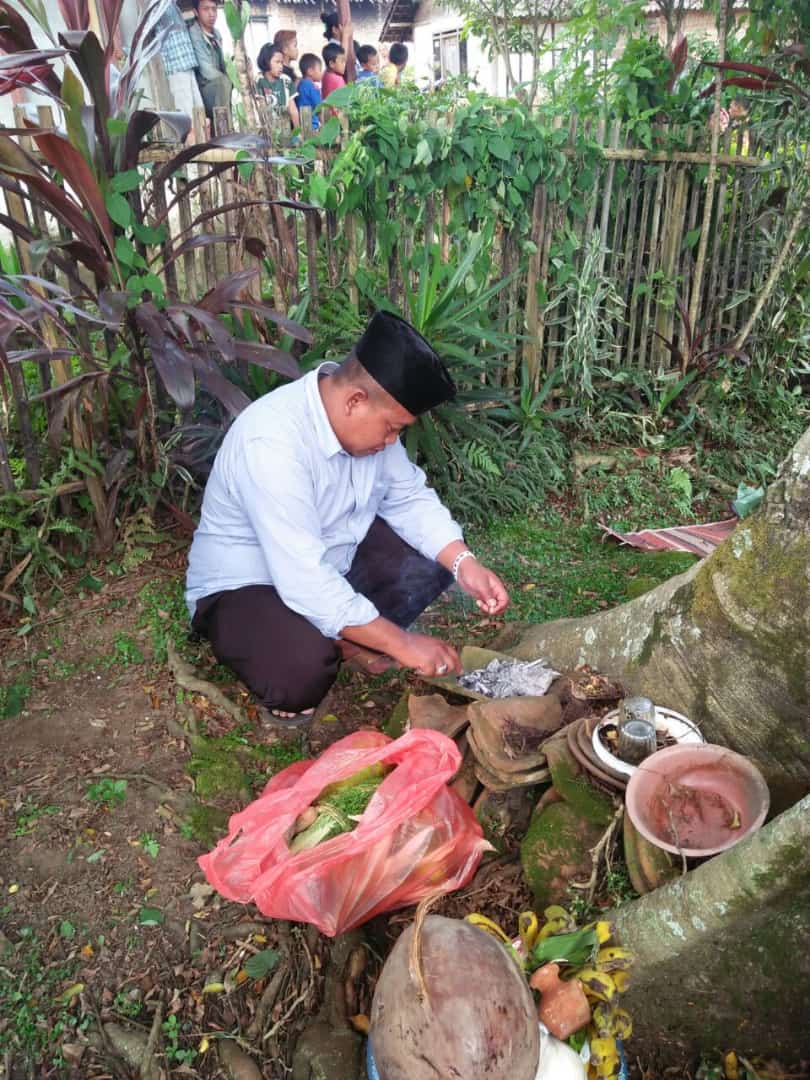
Source: Researcher’s Document
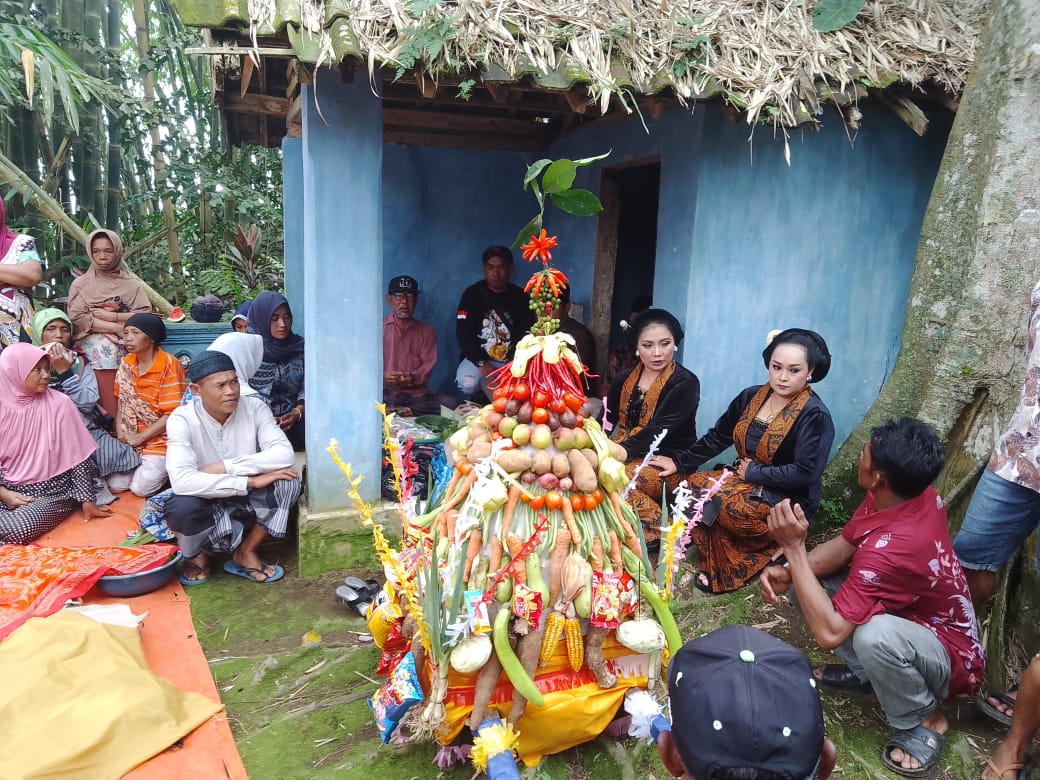
Source: Researcher’s Document
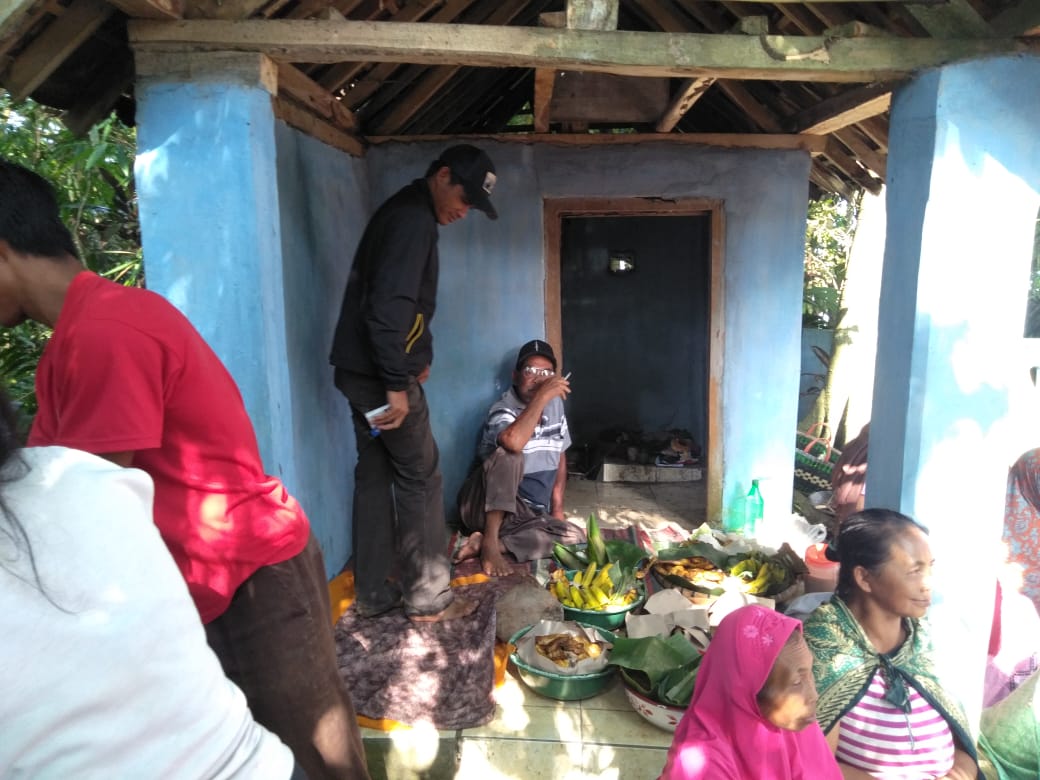
Source: Researcher’s Document
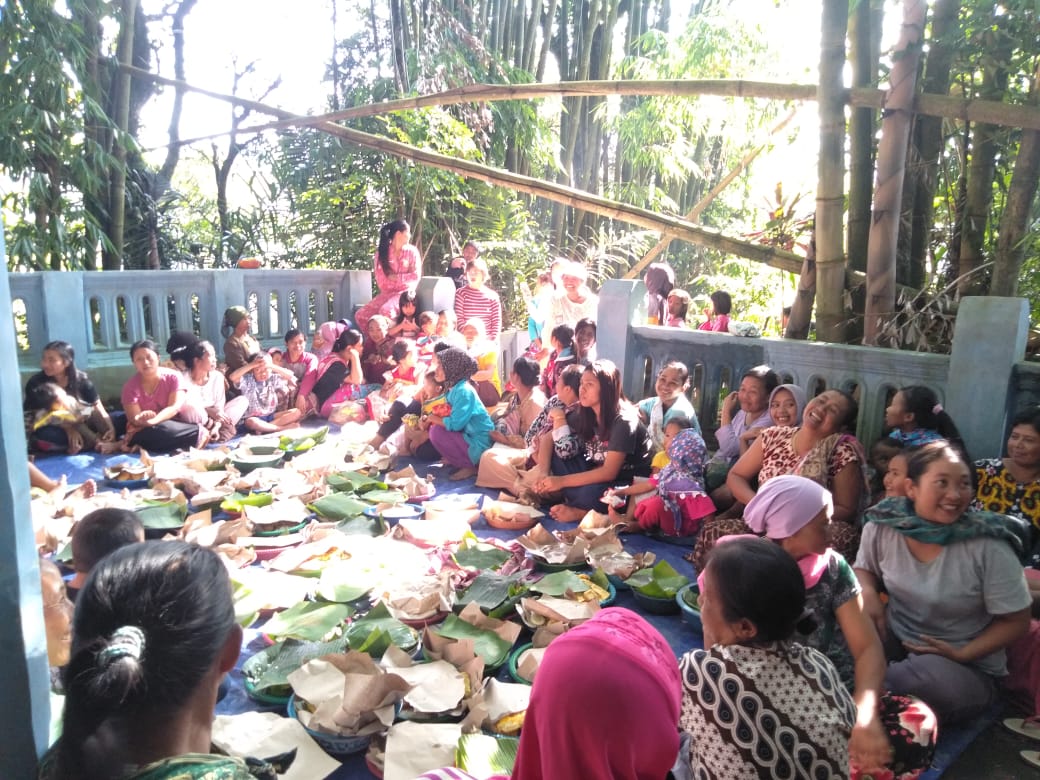
Source: Researcher’s Document
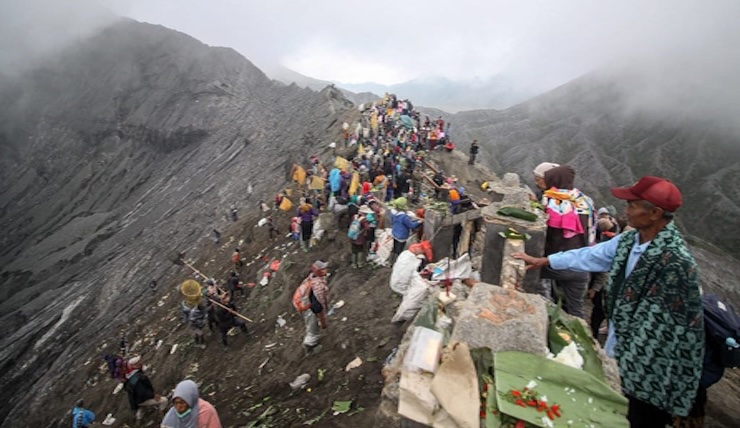
Source: tirto.id
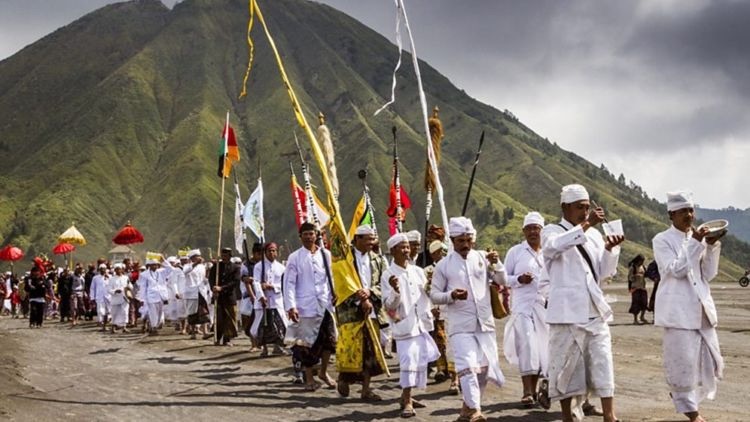
Source: wartabromo.com
3.3 The Militarization of Branding and the Transformation of Taji Village
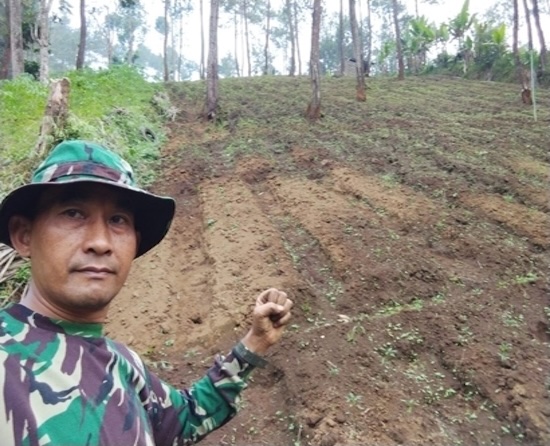
Since his assignment as Babinsa: the Head Sergeant Heri Purnomo (Figure 8 and 9) in Taji Village in 2011, Heri has emerged as a local leader whose role extends far beyond the formal functions of a military officer. He was not merely present to fulfill territorial duties but also took the initiative as a driver of change and a companion to the community in various aspects of life. His childhood experiences, marked by economic hardship, shaped a deep sense of empathy toward the conditions of the villagers he served. This resonates with studies on community leadership which emphasize that personal life experiences often serve as the foundation for the emergence of authentic social concern (Mansour et al., 2022). Rather than simply carrying out formal instructions, Heri positioned himself as an active facilitator working to break the cycle of poverty that constrained the people of Taji Village.
Heri’s holistic approach is reflected in his involvement across the entire coffee value chain, ranging from seed procurement and land management to downstream processing strategies. He reframed coffee not only as an agricultural commodity but also as an instrument of village development. Such a role is rarely observed among other Babinsa officers, as it signifies a transformation of the military from a purely territorial institution into an agent of socio-economic development (Turnip, 2025). His collaboration with Perhutani to expand land access demonstrates his capacity to bridge state interests with community needs (Figure 8 and 9), a practice conceptualized as bridging leadership (Navas-Jiménez et al., 2024).
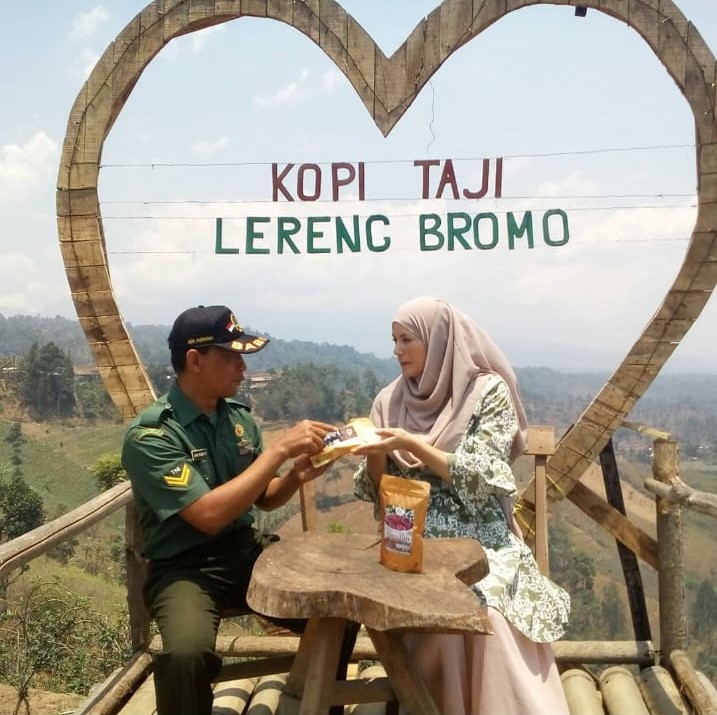
Source: Researcher’s Document
Source: Researcher’s Document
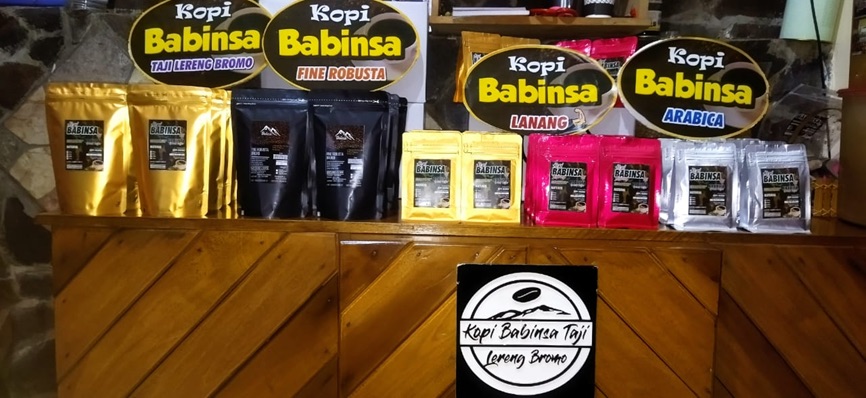
Heri’s presence also triggered a significant shift in farmers’ attitudes. Those who were initially sceptical began to embrace coffee cultivation as they experienced a form of leadership that combined both emotional understanding and technical awareness of their socio-economic realities. Studies on participatory development emphasize that empathetic approaches from local figures can strengthen trust and foster a sense of ownership within communities toward development programs. As a result, coffee productivity improved while simultaneously nurturing a collective awareness of the importance of collaboration. In a concrete manifestation of this process, Heri later introduced a new identity through the branding of Taji Village’s coffee under the label “Kopi Babinsa” (Figure 10). This branding not only functioned as a marketing strategy but also emerged as a symbol of communal pride, elevating the image of Taji’s coffee to a broader public sphere.
Source: Researcher’s Document
The long-term impact of Heri’s leadership has been the emergence of a renewed sense of social solidarity. As household incomes increased, the people of Taji Village revived the tradition of gotong royong, a communal practice of mutual cooperation, that had previously declined, thereby strengthening social cohesion, as reflected in studies of local leadership in mountain villages. Furthermore, Heri’s case underscores that the militarization of development can yield positive contributions when carried out with empathy, social sensitivity, and a genuine alignment with community interests (Navas-Jiménez et al., 2024). In this regard, Taji Village illustrates how transformative military leadership can simultaneously reinforce economic resilience and fortify social structures.
3.4 Social Change in Taji Village
Heri’s arrival in Taji Village marked the beginning of significant social change after the community had been trapped in economic stagnation following the shift from coffee to horticulture in the 1980s. Expectations of quick profits from vegetables failed to materialize and instead prolonged the cycle of poverty. This condition resonates with studies showing that dependence on horticulture in mountainous regions often generates vulnerability due to fluctuations in market prices and climate. Within this context, Heri acted not merely as a military officer but as a local leader capable of identifying the root causes of the community’s socio-economic challenges.
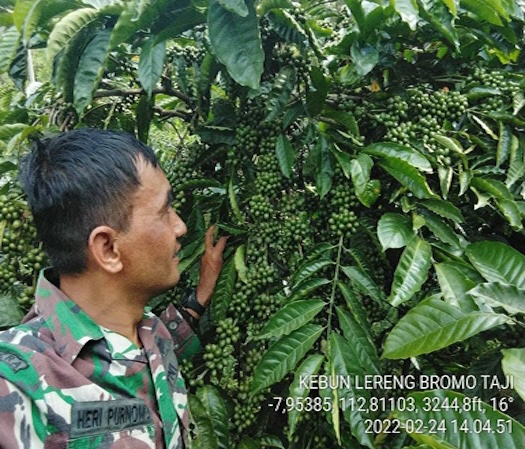
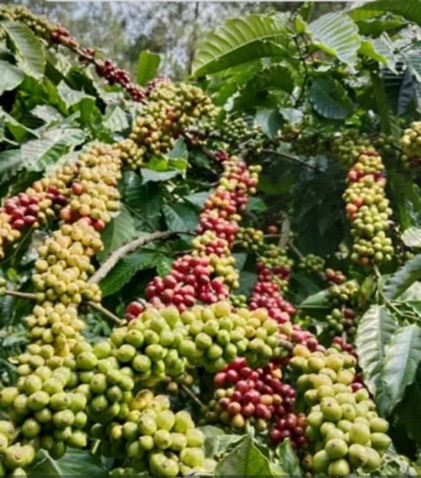
His first step was to restore farmers’ trust in coffee as a primary commodity. He adopted a personal approach through direct dialogue, presenting empirical evidence of successful coffee cultivation in other regions, and offering hands-on guidance. This approach reflects the principles of participatory leadership, in which leaders engage directly with communities to foster awareness and a sense of ownership (Sitanggang et al., 2025). As a result, although initially skeptical, villagers gradually became receptive to the idea of re-cultivating coffee (Figure 11 and 12)
Source: Researcher’s Document
Source: Researcher’s Document
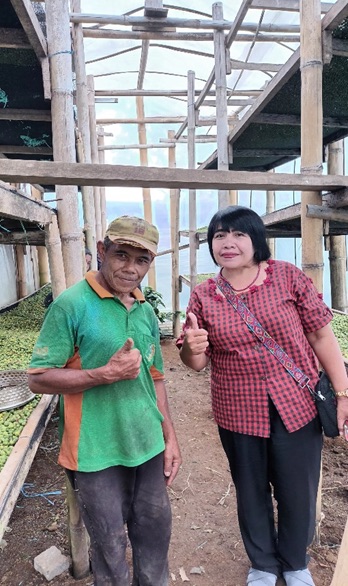
The transformation gained further strength with the presence of Bapak Kambang (Figure 13), a farmer who consistently cultivated coffee even when most villagers had shifted to vegetables. His persistence became both an example and an internal agent of change, reinforcing the credibility of Heri’s message. Studies affirm that influential local figures can accelerate the adoption of agricultural innovations within rural communities. Thus, the success of this transformation stemmed not only from external factors but also from the legitimacy provided by respected community members.
Source: Researcher’s Document
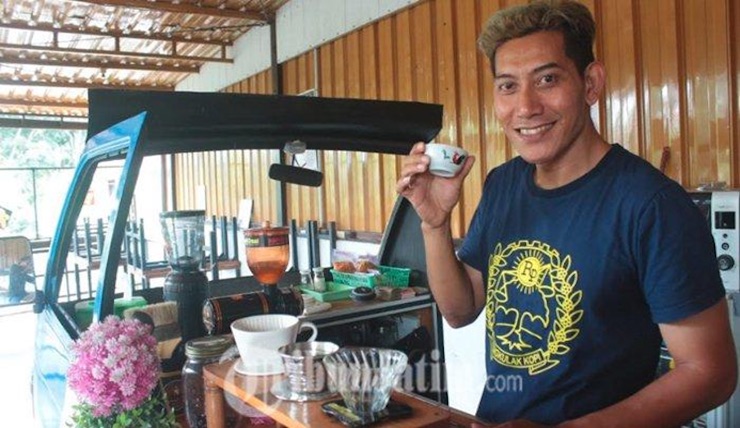
To expand the impact, Heri engaged external actors, such as Sam Bejo (Figure 14), a barista and founder of Kedai National Coffee. Sam contributed not only by providing cultivation training but also by introducing perspectives on downstream processing and coffee branding as a global commodity. This knowledge enabled farmers to view coffee not merely as an economic product but also as part of their local cultural identity (Jacobi et al., 2023). The shift from short-term economic thinking to strategies of sustainable agriculture illustrates the critical role of technical capacity-building in strengthening rural agribusiness (Lesmana et al., 2025).
Source: https://jatim.tribunnews.com/2019/05/05/ceritasam-bejo-dari-tak-suka-kopi-kini-jadi-punya-kedai-di-malang-dan-jadi-pendamping-petani-kopi?page=3
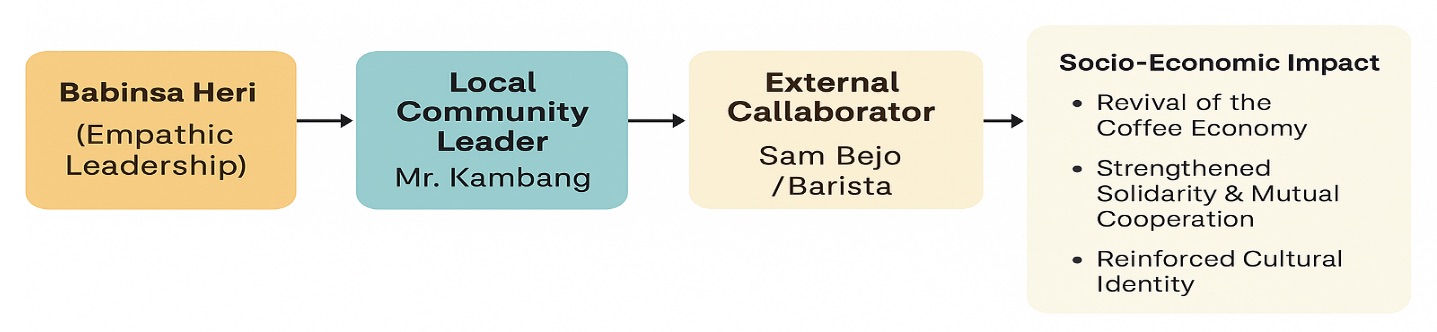
The positive outcomes of this transformation extended beyond economic improvement to the reinforcement of social and cultural life. The tradition of gotong royong was revitalized as solidarity among farmers increased, a phenomenon often accompanying economic revitalization in rural contexts. Moreover, the Bersih Desa ritual acquired renewed meaning as a collective expression of gratitude for successful coffee harvests, strengthening a cultural identity connected to Tengger traditions. Thus, social change in Taji Village emerged as the result of empathetic leadership by Babinsa Heri, the exemplary role of local figures, and collaborative partnerships, positioning it as a coffee-based model of transformation that unites economic, cultural, and social solidarity dimensions (Figure 15).
3.5 Connecting the Highlands and the Sea: The Role of Babinsa in the Taji Coffee Export Chain
The trajectory of Taji’s arabica coffee export began as a community-based social initiative spearheaded by Babinsa – the Head Sergeant Heri Purnomo, who functioned not only as a territorial officer but also as an economic facilitator and promoter of local culture. Through an inclusive and participatory approach, the Babinsa encouraged farmers to build confidence, improve product quality, and perceive coffee not merely as a commodity but as a representation of Tengger highland cultural identity. A cultural perspective is essential in explaining how coffee is positioned as a symbol of togetherness, solidarity, and local pride—elements that subsequently evolved into a form of community-based branding (Hefner, 1990; Geertz, 1960). Within this context, the “Kopi Babinsa” brand (Figure 10) of Taji Village emerged as a process of constructing social meaning that connects local identity with wider markets (Rindell & Pinto Santos, 2021).
The role of Babinsa – the Head Sergeant Heri Purnomo in strengthening the socio-economic capacities of the Taji community demonstrates a significant transformation in community-driven development. His interventions were not solely oriented toward maintaining territorial security but were also focused on empowering the younger generation as agents of change within the digital economic ecosystem and the coffee value chain. Through entrepreneurship training, branding assistance, and the enhancement of digital communication skills, Babinsa Heri created a collaborative space that enabled youth to participate actively in the coffee business—from production to marketing.
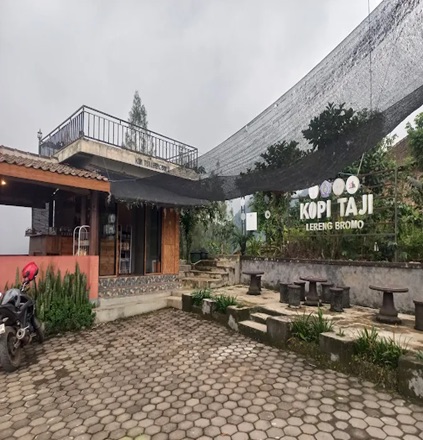
Sukron, a young resident of Taji and owner of the café “Kopi Taji Lereng Bromo,” serves as a concrete representation of the success of this strategy. The establishment of his café emerged in response to Babinsa Heri’s encouragement to demonstrate the capacity of local youth to navigate the coffee value chain comprehensively, from upstream to downstream. The café functions as a collective learning space that integrates digital innovation with local cultural identity through the presentation of Taji single-origin coffee.
The connectivity of the coffee enterprise in Taji Village has gained increasing strategic significance as its marketing channels are directed toward entering export networks via maritime routes. The distribution of coffee is conducted not only through the Dampit trading hub, which functions as a consolidation point prior to shipment to Tanjung Perak Port in Surabaya–the principal export gateway for East Java coffee to markets in Asia, Africa, and Europe–but also through the active engagement of the younger generation in digital marketing practices. Heri Purnomo, a village military advisor, has encouraged local youth to establish direct communication with international consumers through digital platforms, thereby facilitating access to global markets without relying exclusively on conventional distribution mechanisms. This advancement is reflected in the experience of Sukron, the owner of the café “Kopi Taji Lereng Bromo,” who successfully reached customers in Malaysia through digital interaction and online promotion, demonstrating that technology-driven economic transformation can expand export opportunities and enhance the competitiveness of Taji Village coffee within the global trade network.
Within this context, the youth empowerment initiative led by Heri Purnomo has not only strengthened the local economy but also opened new pathways for Taji coffee to compete in international supply chains. By enhancing the capacity of young villagers in digital marketing and entrepreneurship, the distribution of Taji coffee now possesses broader potential to penetrate export markets supported by maritime logistics.

Source: Researcher’s Document
Source: Researcher’s Document
On the other hand, the traditional distribution route continues to operate in parallel. Farmers in Taji Village who are not yet accustomed to utilizing digital technology channel their coffee harvests to the coffee trading center in Dampit, where the beans are subsequently processed and exported through Tanjung Perak Port Surabaya to markets in Asia, Africa, and Europe, including Japan, Malaysia, the Philippines, Egypt, and Italy (Figure 18). This distribution chain illustrates that highland coffee has never been disconnected from the maritime world; rather, it has been woven into a seaborne commercial network that links inland producers with global markets. Approaches within Maritime Anthropology and Island Studies conceptualize the sea as a space of cultural and economic interaction that shapes the identities of archipelagic societies, as discussed by Dua (2024) and Ma (2020). In this regard, Taji coffee exemplifies how highland cultural dynamics constitute an integral component of the broader maritime exchange system in Southeast Asia.
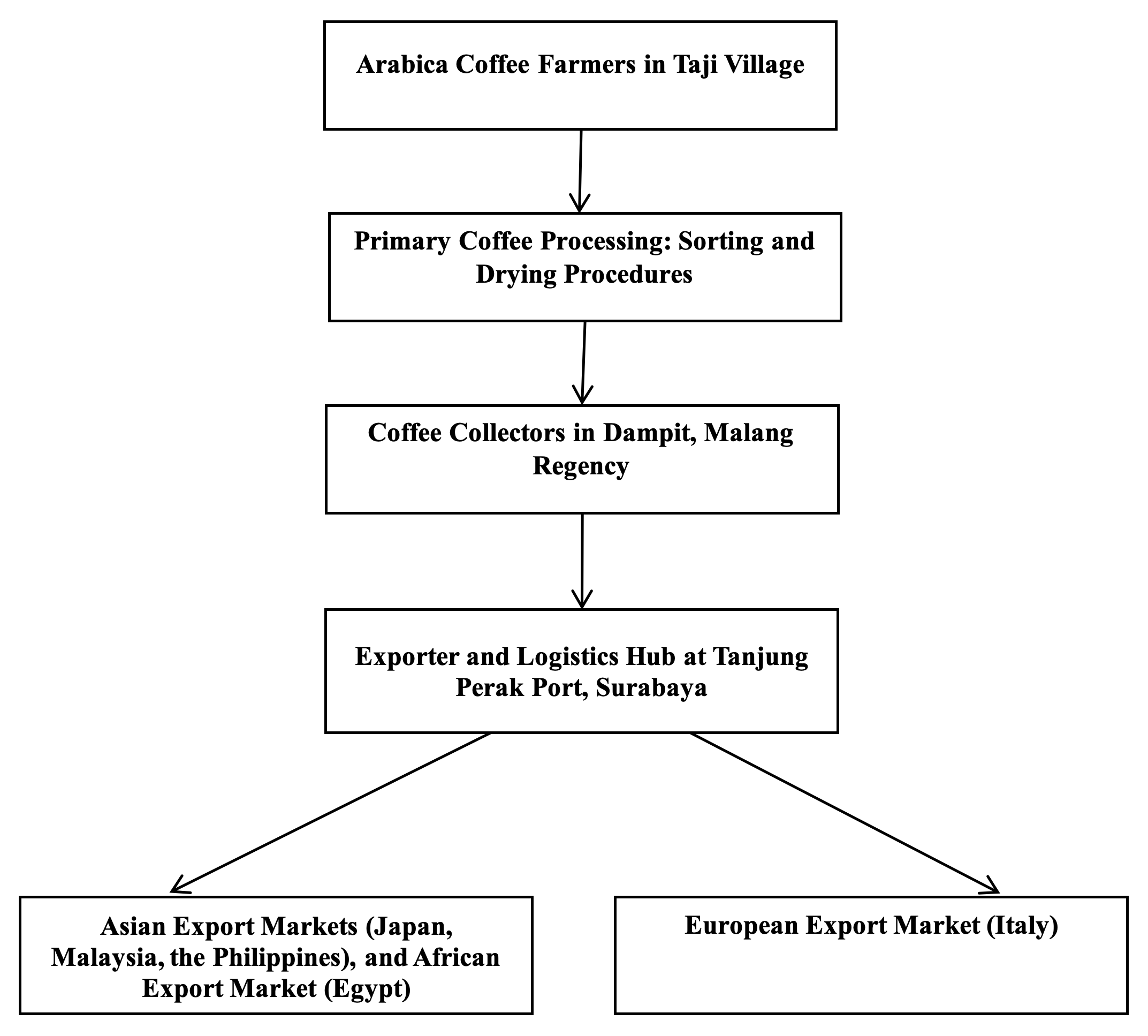
Source: The result of interview with coffee farmers at Taji Village and the collector in Dampit
Methodologically, this phenomenon can be examined through Actor–Network Theory (ANT), which positions farmers, the Babinsa, social media, ports, logistics infrastructures, and coffee itself as interconnected actors within a production–distribution network that shapes an emergent economic reality, as articulated by Bruno Latour (2005). In this analytical context, Taji coffee operates as a cultural actor linking the Tengger highlands to the global maritime sphere, demonstrating that Indonesia’s archipelagic identity is formed not only by coastal societies but also by highland communities participating in maritime mobility networks, as discussed by Cohen et al. (2023) and Marrero et al. (2023).
Although its export volume remains relatively modest, the movement of Taji Coffee through the Dampit trade corridor, the Surabaya seaport system, and international export networks reflects a community-based process of economic and cultural mobility. Coffee harvested in Taji and sold by farmers to Dampit is reprocessed and shipped via maritime routes to markets in Asia (Malaysia, the Philippines, Japan), Africa (Egypt), and Europe (Italy). From the perspective of Maritime Anthropology and Island Studies, this linkage is viewed as evidence that maritime space constitutes an arena of economic and cultural exchange that unites inland and coastal regions within an archipelagic system, as shown by earlier analyses from Dua (2024) and Ma (2020). Consequently, the success of Taji Coffee does not merely signify the export of an agricultural commodity but represents a cultural transformation and a form of social innovation emerging from collaboration among the state, local communities, and Indonesia’s maritime trade networks.
At the regional level, East Java’s coffee exports are dominated by production from highland areas that serve as major coffee-growing centers, particularly the districts of Bondowoso, Banyuwangi, Jember, and Malang, where the Dampit area in Malang Regency functions as one of the largest contributors of arabica coffee exports to international markets. These trends are documented by Disperindag Jatim (2023), BPS Jatim (2022), and GAEKI (2023). Table 1 illustrates the distribution of East Java’s coffee export flows to its five principal destination countries: Egypt, Japan, the Philippines, Malaysia, and Italy.
| 2019 | 2020 | 2021 | 2022 | 2023 | ||
|---|---|---|---|---|---|---|
| Egypt | Value (US$) | 36,062,330.86 | 33,376,011.19 | 60,603,022.92 | 55,037,790.15 | 56,218,805.83 |
| Volume (Kg) | 19,659,828.00 | 18,853,680.00 | 33,053,400.00 | 25,299,721.00 | 21,148,200.00 | |
| Japan | Value (US$) | 13,507,684.59 | 13,909,191.65 | 14,372,732.41 | 17,739,123.56 | 28,411,944.43 |
| Volume (Kg) | 5,106,026.00 | 5,293,246.00 | 5,155,650.00 | 6,224,496.00 | 8,509,910.00 | |
| Philippine | Value (US$) | 4,775,263.92 | 2,818,175.71 | 10,787,346.11 | 26,763,227.32 | 19,101,772.69 |
| Volume (Kg) | 2,980,297.79 | 1,816,929.08 | 6,956,041.28 | 16,190,215.74 | 7,385,738.55 | |
| Malaysia | Value (US$) | 12,182,735.63 | 14,926,308.77 | 16,572,427.80 | 13,259,107.19 | 14,564,317.64 |
| Volume (Kg) | 5,513,102.10 | 7,518,762.93 | 8,885,237.41 | 6,111,399.40 | 5,400,035.49 | |
| Italy | Value (US$) | 16,787,380.83 | 10,346,105.90 | 9,440,425.36 | 13,622,588.67 | 13,532,031.58 |
| Volume (Kg) | 8,421,360.66 | 5,117,149.26 | 4,636,600.00 | 5,737,744.00 | 4,780,120.00 |
The development of the coffee industry in the Greater Malang region in 2025 demonstrates a significant upward trajectory, marked by rising export demand and the increasingly solid participation of farmers across the upstream–downstream processing chain. According to Avicenna Medisica Sani Putera, Head of the Dinas Tanaman Pangan, Hortikultura, dan Perkebunan Kabupaten Malang, although local production has reached only approximately 15,000 tons, export demand has climbed to 45,000 tons, underscoring the strength of the Malang coffee brand in both national and international markets. One of the flagship commodities contributing to this export growth is arabica coffee from Taji Village, which has penetrated five major export destinations—Egypt, Japan, the Philippines, Malaysia, and Italy (Table 1)—through both individual distribution channels, exemplified by Sukron, and the industrial distribution network centered in the Dampit coffee region (Figure 18).
This phenomenon reinforces the perspective within Maritime Anthropology that conceptualizes the sea as a socio-economic arena linking inland regions with coastal and transoceanic exchange networks. Within this framework, highland agrarian commodities such as Taji coffee are not merely local agricultural outputs but components of a broader maritime economic circulation facilitated by port logistics hubs and international trade routes. Consequently, the successful export performance of Taji’s arabica coffee illustrates how connectivity between upland and coastal areas contributes to shaping wider economic and cultural identities, while also demonstrating that geographic branding and consistent product quality play a strategic role in strengthening the global market position of Malang coffee.
4. Conclusions
This study reveals that militarization at the local level in Indonesia does not operate solely through conventional security functions but also extends into the domains of economy, culture, and community development. The case of coffee branding in Taji Village demonstrates how Babinsa, as village-based military officers, act as catalysts of rural transformation by mobilizing cultural narratives, enhancing community participation, and strengthening local identity. What makes this case particularly significant is the way highland coffee production and branding are situated within the broader maritime and island world of Java. Coffee from the uplands is not isolated from coastal or seaborne exchanges; rather, it becomes intertwined with maritime trade networks that connect inland producers with island markets and transoceanic flows.
By emphasizing these connections, the study highlights that Indonesia’s rural highland culture cannot be separated from its maritime identity. The integration of coffee branding into local rituals and communal solidarity reflects a cultural synthesis where highland communities continuously interact with coastal and island societies. This dynamic illustrates that island cultures in the Indonesian archipelago are not confined to coastal zones but also encompass highland communities whose livelihoods, identities, and innovations are deeply embedded in maritime exchange systems.
Thus, the study contributes to debates on militarization and rural development by demonstrating how state military presence in everyday life can simultaneously reproduce state authority and foster community-based innovation. At the same time, it offers new insights for maritime and island studies by showing that community transformations in inland areas remain inseparable from Indonesia’s broader maritime world. The findings reaffirm the significance of connecting rural cultural practices with seaborne trade and island identities, thereby enriching the study of maritime cultures in Indonesia and the wider archipelagic world.
Acknowledgments
We express our gratitude to the Rector of Universitas Jember for the funding provided through the Research Grant for Professorial Acceleration Program, fiscal year 2024. We also extend our appreciation to Prof. Dr. Yuli Witono, S.TP., M.P., Head of the Institute for Research and Community Service (LP2M) at Universitas Jember, for the opportunity to receive the Research Grant for Professorial Acceleration for the 2024 fiscal year, as stated in Decree Number: 3085/UN25.3.1/LT/2024.
References
- Abbas, M.H.I., Sumarsono, H., Sumanto, A., Yunikawati, N.A. 2024. Analyzing efficiency of coffee agribusiness in Malang: Data envelopment analysis approach. E3S Web of Conferences, 595, 01005. https://doi.org/10.1051/e3sconf/202459501005
- Acar, A., Büyükdağ, N., Türten, B., Diker, E., Çalışır, G. 2024. The role of brand identity, brand lifestyle congruence, and brand satisfaction on repurchase intention: a multi-group structural equation model. Humanities and Social Sciences Communications, 11, article 1102. https://doi.org/10.1057/s41599-024-03618-w
- Adams, K.M. 2006. Art as Politics: Re-crafting Identities, Tourism and Power in Tana Toraja, Indonesia. Honolulu: University of Hawai‘i Press
- BPS (Statistics Indonesia). 2021. Population and Labor Mobility Statistics 2021. Jakarta: BPS. https://www.bps.go.id/en/publication/2021/12/21/a15176a0d458bc8f297d3ee7/population-and-labor-mobility-statistics-2021.html
- BPS (Malang Regency), 2011. Kecamatan Jabung dalam Angka 2010 (Jabung District in Figures 2010), Badan Pusat Statistik, Malang.
- BPS (Malang Regency), 2012. Kecamatan Jabung dalam Angka 2011 (Jabung District in Figures), Badan Pusat Statistik, Malang.
- BPS (Malang Regency), 2013. Kecamatan Jabung dalam Angka 2012 (Jabung District in Figures), Badan Pusat Statistik, Malang.
- BPS (Malang Regency), 2014. Kecamatan Jabung dalam Angka 2013 (Jabung District in Figures), Badan Pusat Statistik, Malang.
- BPS (Malang Regency), 2014. Kecamatan Jabung dalam Angka 2014 (Jabung District in Figures), Badan Pusat Statistik, Malang.
- BPS (Malang Regency), 2016. Kecamatan Jabung dalam Angka 2015 (Jabung District in Figures), Badan Pusat Statistik, Malang.
- BPS (Malang Regency), 2017. Kecamatan Jabung dalam Angka 2016 (Jabung District in Figures), Badan Pusat Statistik, Malang.
- BPS (Malang Regency), 2017. Kecamatan Jabung dalam Angka 2017 (Jabung District in Figures), Badan Pusat Statistik, Malang.
- BPS (Malang Regency), 2018. Kecamatan Jabung dalam Angka 2018 (Jabung District in Figures), Badan Pusat Statistik, Malang.
- BPS (Malang Regency), 2019. Kecamatan Jabung dalam Angka 2019 (Jabung District in Figures), Badan Pusat Statistik, Malang.
- BPS (Malang Regency), 2020. Kecamatan Jabung dalam Angka 2020 (Jabung District in Figures), Badan Pusat Statistik, Malang.
- BPS (Malang Regency), 2021. Kecamatan Jabung dalam Angka 2021 (Jabung District in Figures), Badan Pusat Statistik, Malang.
- BPS (Malang Regency), 2022. Kecamatan Jabung dalam Angka 2022 (Jabung District in Figures), Badan Pusat Statistik, Malang.
- BPS (Malang Regency), 2023. Kecamatan Jabung dalam Angka 2023 (Jabung District in Figures), Badan Pusat Statistik, Malang.
- BPS (Malang Regency), 2024. Kecamatan Jabung dalam Angka 2024 (Jabung District in Figures), Badan Pusat Statistik, Malang.
- Christmas, S.K., Hardiyanti, M., Prawira, S.A. 2021. Role in the Forest Village Community-Based Forest Management Sustainable Development. Journal of Judicial Review, 23(1). https://doi.org/10.37253/jjr.v23i1.4387
- Chen, T., Fan, X., He, J., Fan, J., Chen, W. 2024. When “I” or “S/He” uses the product: the impact of narrative perspective on consumers’ brand attitudes in storytelling ads. Frontiers in Psychology, 15, article 1338249. https://doi.org/10.3389/fpsyg.2024.1338249
- Dinas Perindustrian dan Perdagangan Provinsi Jawa Timur. 2023. Disperindag Jatim Siapkan Strategi Songsong 2023: Dorong Peningkatan Kinerja Ekonomi.
https://www.disperindag.jatimprov.go.id/post/detail?content=disperindag-jatim-siapkan-strategi-songsong-2023-dorong-peningkatan-kinerja-ekonomi - Dua, J. 2024. Anthropology of and from the Ocean. Annual Review of Anthropology, Vol. 53. https://doi.org/10.1146/annurev-anthro-041422-012504
- Erlandson, J.M., Fitzpatrick, S.M. 2006. Oceans, Islands, and Coasts: Current Perspectives on the Role of the Sea in Human Prehistory. Journal of Island & Coastal Archaeology, 1(1), 5–32. https://doi.org/10.1080/15564890600639504
- GAEKI (Gabungan Eksportir Kopi Indonesia). 2023. Portal Resmi Gabungan Eksportir Kopi Indonesia. https://gaeki.or.id
- Gómez-Baggethun, E. 2022. Is there a future for indigenous and local knowledge?. The Journal of Peasant Studies, 49(6), 1139-1157. https://doi.org/10.1080/03066150.2021.1926994
- Gottschalk, L., 1986. Mengerti Sejarah. Terj. Nugroho Notosusanto. Universitas Indonesia Press, Jakarta.
- Hanazaki, N. 2024. Local and traditional knowledge systems, resistance, and socioenvironmental justice. Journal of Ethnobiology and Ethnomedicine, 20, article 5. https://doi.org/10.1186/s13002-023-00641-0
- Hasyim, W., Almazhir, S.M., Mundzir, I., Khan, A., Anker, R. 2024. Living income report (with living wage annex) rural areas of Aceh Highlands, Aceh, Indonesia: with focus on coffee producing areas. May–June 2024. Geneva: International Labour Organization. https://ico.org/global-knowledge-hub/wp-content/uploads/2025/03/LivingIncomeforRuralAreasofAcehHighlandsAcehIndonesiaFINAL02102025.pdf
- He, K., Liao, J., Li, F. and Sun, H. 2023. Understanding the consumers’ multi-competing brand community engagement: A mix-method approach. Frontiers in Psychology, 13. doi: 10.3389/fpsyg.2022.1088619.
- Hefner, Robert W. 1990. The Political Economy of Mountain Java: An Interpretive History. Berkeley: University of California Press.
- Huangfu, Z., Ruan, Y., Zhao, J., Wang, Q. and Zhou, L. 2022. Accessing the influence of community experience on brand loyalty toward virtual Brand Community: developing country perspective. Frontiers in Psychology, 13, article 865646. doi: 10.3389/fpsyg.2022.865646.
- In’am Widiarma. 2024. Study of Coffee Drinking Culture in Several Countries Is a Market Differentiation for East Java Coffee Export Destination Countries. Jurnal Manajemen Sains dan Organisasi 5(1): 56–69.
- International Coffee Organization (ICO). 2021. Coffee Development Report 2021. London: ICO. https://www.ico.org
- Izzah, L., Rochwulaningsih, Y., Krisnadi, I.G., Hartanto, D.A., Sampurna, I.C. 2023a. Historical review of smallholder coffee farmers population in Kayumas Village, Situbondo Regency. Journal of Indonesian Historical Studies (IHiS), 7(1), pp.36–46. https://doi.org/10.14710/ihis.v7i1.17370
- Izzah, L., Nurdiansyah, Y., Suharto, Krisnadi, I.G. 2023b. Kayumas Village Situbondo: Organic Arabica Coffee Hub. Jember: Bhinneka Pustaka.
- Izzah, L., Rochwulaningsih, Y., Sulistiyono, S.T. 2022b. Topeng Kona: A sacred dance in the ritual Bersih Desa at Blimbing Village, Bondowoso Regency, East Java, Indonesia. Journal of Marine and Island Cultures. https://jmic.online/issues/v11n2/8/
- Izzah, L., Rochwulaningsih, Y., Nurdiansyah, Y., Suharto, Krisnadi, I.G. 2022a. Gold green: A survival strategy of farmers in Kayumas Village, Situbondo Regency. E3S Web of Conferences, 359, pp.1–11. https://doi.org/10.1051/e3sconf/202235902034
- Izzah, L., Sulistiyono, S.T., Rochwulaningsih, Y. 2021. Commodifying culture in a frontier area: The utilization of Madurese culture for developing tourism in the eastern tip of Java Island, Indonesia. Journal of Marine and Island Cultures, 10, pp.118–137. https://jmic.online/issues/v10n1/7/
- Izzah, L., Suharto, Zamroni, M., Afiah, N., Yuhana, A., Rahayu, S., Khodijah, E. 2020. The mystery of Kayumas Village: The legacy of Dutch colonial glory in Arabica coffee plantations’, E-Proceeding Seminar Nasional Pekan Chairil Anwar, Humaniora dan Era Disrupsi, 1(1), pp.651–663. https://prosiding.jurnal.unej.ac.id/index.php/prosiding/article/view/20025
- Jacobi, J., Lara, D., Opitz, S., de Castelberg, S., Urioste, S., Irazoque, A., Castro, D., Wildisen, E., Gutierrez, N., Yeretzian, C. 2024. Making specialty coffee and coffee-cherry value chains work for family farmers’ livelihoods: A participatory action research approach. World Development Perspectives, 33, 100551. https://doi.org/10.1016/j.wdp.2023.100551
- Jones, K., Njeru, E.M., Garnett, K., Girkin, N. 2024. Assessing the impact of voluntary certification schemes on future sustainable coffee production. Sustainability, 16(13), Article 5669. https://doi.org/10.3390/su16135669
- Juwariyah, A., Trisakti, T., Inda, F. 2023. Conserving the traditional Indonesian performance art “langen tayub” through waranggana creativities. Cogent Arts & Humanities, 10: 2247672. https://doi.org/10.1080/23311983.2023.2247672
- Kartodirdjo, S., Purwanto, B., Kuntowijoyo. 2013. Social History: Conceptualization, Models, and Challenges. In: M. Nursam, ed. Yogyakarta: Ombak.
- Khoirunurrofik, K., Abdurrachman, F., Rachmanto, UN. 2022. Socioeconomic and policy determinants of mobility during COVID-19 in Indonesia. Journal of Urban Management, 11(4): 424-436. https://doi.org/10.1016/j.jum.2022.07.003
- Latour, B. 2005. Reassembling the Social: An Introduction to Actor–Network-Theory. Oxford University Press.
- Lesmana, D., Nurfillah, S., Aini, Q. 2025. Strengthening Farmers’ Institutions Based on Social Capital in Supporting Food Security in Kutai Kartanegara District, Indonesia. Journal of Agriculture and Ecology Research International, 26(3), pp.78–89. https://doi.org/10.9734/jaeri/2025/v26i3677
- Lilik, Ngarawula, B., Suharnoko, D. 2024. “Metri Deso” in Village Cleansing Rituals as an Effort to Preserve the Local Wisdom of Javanese Culture: Phenomenological Study in Blau Hamlet, Permanu Village, Pakisaji Subdistrict, Malang Regency. KnE Social Sciences, 4th International Conference in Social Science (4th ICONISS): Governance and Poverty Alleviation, pp. 208–216. doi: 10.18502/kss.v9i27.17105.
- Ma, G. 2020. Islands and the world from an anthropological perspective. International Journal of Anthropology and Ethnology, 4(12). doi: 10.1186/s41257-020-00038-x
- Malawi, I., Chasanatun, F. 2020. The socio-cultural values of “Bersih Desa” ceremony: a cultural study at Simbatan Village, Nguntoronadi, Magetan Regency, East Java. IOP Conference Series: Earth and Environmental Science. 485(1):012107. https://doi.org/10.1088/1755-1315/485/1/012107
- Mansour, M., Aman, N., Al-Ghazali, B.M., Shah, S.H.A. 2022. Perceived corporate social responsibility, ethical leadership, and moral reflectiveness impact on pro-environmental behavior among employees of small and medium enterprises: A double-mediation model. Frontiers in Psychology, 13:967859. doi: 10.3389/fpsyg.2022.967859.
- Marrero, A., Nicoson, C., Mattei, J. 2023. Food laborers as stewards of island biocultural diversity: reclaiming local knowledge, food sovereignty, and decolonization. Frontiers in Sustainable Food Systems, 7. doi: 10.3389/fsufs.2023.1093341.
- Navas-Jiménez, M., Sánchez-Cardona, I., López-Zafra, E. and Rodríguez-Carvajal, R. 2024. Secure base leadership in military training: enhancing organizational identification and resilience through work engagement. Frontiers in Psychology, 15, p.1401574. https://doi.org/10.3389/fpsyg.2024.1401574
- Parmawati, R., Risvita, W., Hakim, L., Rahmawati, N.O., Gunawan, F.K., Ashari, F.M., Haqqi, S.S. 2023. Sustainability index of Robusta coffee plantation: Case study Wagir District smallholder coffee plantation in Malang, Indonesia. International Journal of Design & Nature and Ecodynamics, 18(2), pp. 279–288. https://doi.org/10.18280/ijdne.180205
- Peixoto, J. A. B., Silva, J. F., Oliveira, M. B. P. P., Alves, R. C. 2023. Sustainability issues along the coffee chain: From the field to the cup. Comprehensive Reviews in Food Science and Food Safety, 22(1), pp.287–332. doi: 10.1111/1541-4337.13069.
- Rahman, D.N., Assidiki, M.H., Nafisah, I., Aziz, M.A. 2023. Muslim-Hindu Cooperation in Addressing Social Problems in the Tengger Tribe in East Java, Indonesia. Mudima: Jurnal Multidisiplin Madani, 3(8), pp.1–12. https://doi.org/10.55927/mudima.v3i8.4777
- Rindell, A. and Pinto Santos, F. 2021. What makes a corporate heritage brand authentic for consumers? A semiotic approach. Journal of Brand Management. doi: 10.1057/s41262-021-00243-9.
- Sheller, M. & Urry, J. 2016. Mobilizing the New Mobilities Paradigm. Applied Mobilities. 1(1).10-25. https://doi.org/10.1080/23800127.2016.1151216
- Sitanggang, D.I., Rizky, M.C., Gulo, T.N., Simanjuntak, Y., Zendrato, A. 2025. Participatory Leadership and Motivation Boost Rural Community Productivity. Indonesian Journal of Innovation Studies, 26(3):1428. https://doi.org/10.21070/ijins.v26i3.1428
- Tamru, S., Minten, B. 2023. Value addition and farmers: Evidence from coffee in Ethiopia. PLoS ONE, 18(1), e0273121. https://doi.org/10.1371/journal.pone.0273121
- Turnip, H.M.S. 2025. Research trends on Babinsa (Village Supervisory Non-Commissioned Officers): scientific perspectives, study focus, and implications. Dialektika: Jurnal Ilmu Sosial, 23(1). https://jurnaldialektika.com/index.php/piani/article/view/542
- UNICEF Indonesia. 2021. Socio-Economic Impact of COVID-19 on Households in Indonesia. UNICEF, Jakarta.
- World Bank. 2023. The Invisible Toll of COVID-19 on Learning. The World Bank, Washington DC.
- Zoetmulder, P. J. 1982. Old Javanese–English Dictionary. 2 vols. The Hague: Martinus Nijhoff / KITLV Press.